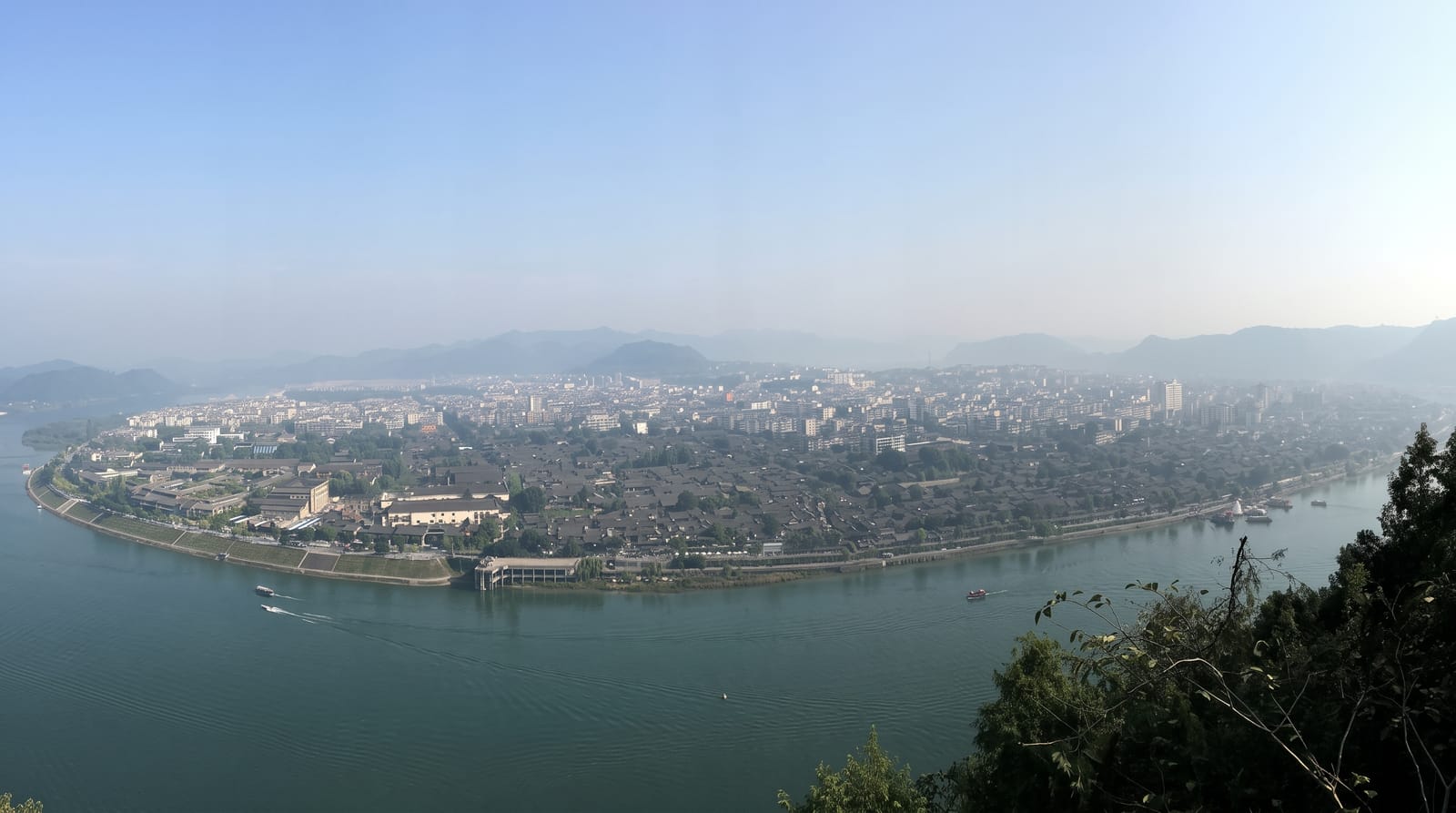
Salay
A small river town south of Bagan with a carved teak monastery, colonial trading houses and monuments from the same era as Bagan.
Updated 1 September 2026
Salay grew as a religious centre in the Bagan period and again as a river trading town under the British, and both layers are still there. Yoke Sone Kyaung is the reason most people come: a teak monastery from the 1880s raised on posts, its exterior panels carved with dense scenes from the jataka tales and from court life, now used as a museum. Around the town are brick temples of the Bagan era, a lacquered Buddha of considerable size, and a row of colonial-era shophouses along the riverbank.
What to look for
- Yoke Sone Kyaung - a teak monastery on posts, its panels carved with jataka and court scenes.
- The carved panels - the exterior woodwork, which is among the most complete of its kind in the country.
- The brick temples - smaller monuments contemporary with Bagan, scattered around the town.
- The colonial frontage - trading houses and shophouses along the river.
When to go
November to February is the cool dry season. Salay is easily combined with a Bagan day and is best in the morning before the heat. The dry zone here is severely hot from March to May.
Practical notes
The town is small and the visit is short. Many of the carved panels have been removed from the building for conservation and are displayed indoors, which changes the effect. There is little in the way of food or facilities.
Nearby
Bagan is an hour north, and the Ayeyarwady runs alongside the town.
What to pack for Salay
Chosen from what this place is for. Tap a kit for the full checklist.
- Comfortable walking shoes - Sightseeing means kilometres of pavement and cobbles daily. Find on Amazon
- Modest clothing - Shoulders and knees covered - the single most common requirement. Find on Amazon
- A slim anti-theft daypack - Zips that close properly; keep it in front in crowds and on transit. Find on Amazon
- A scarf or shawl - To cover the head or shoulders on entry; women especially at mosques. Find on Amazon
Some links on this page are Amazon affiliate links - if you buy through them we may earn a small commission at no extra cost to you.
All packing kitsPlan your trip
Where to start if Salay is going on the list.
Booking links on this page are affiliate links - if you book through them we may earn a small commission at no extra cost to you. It never changes what we write about a place.
Opening times, ticket prices and seasonal closures change - check the official source before you go: official site.