Myeik Archipelago
Hundreds of forested islands off the far southern coast, barely developed, with Moken sea nomads still living among them.
Updated 21 October 2026
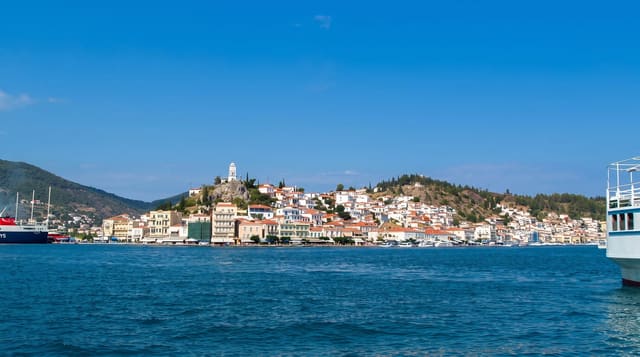
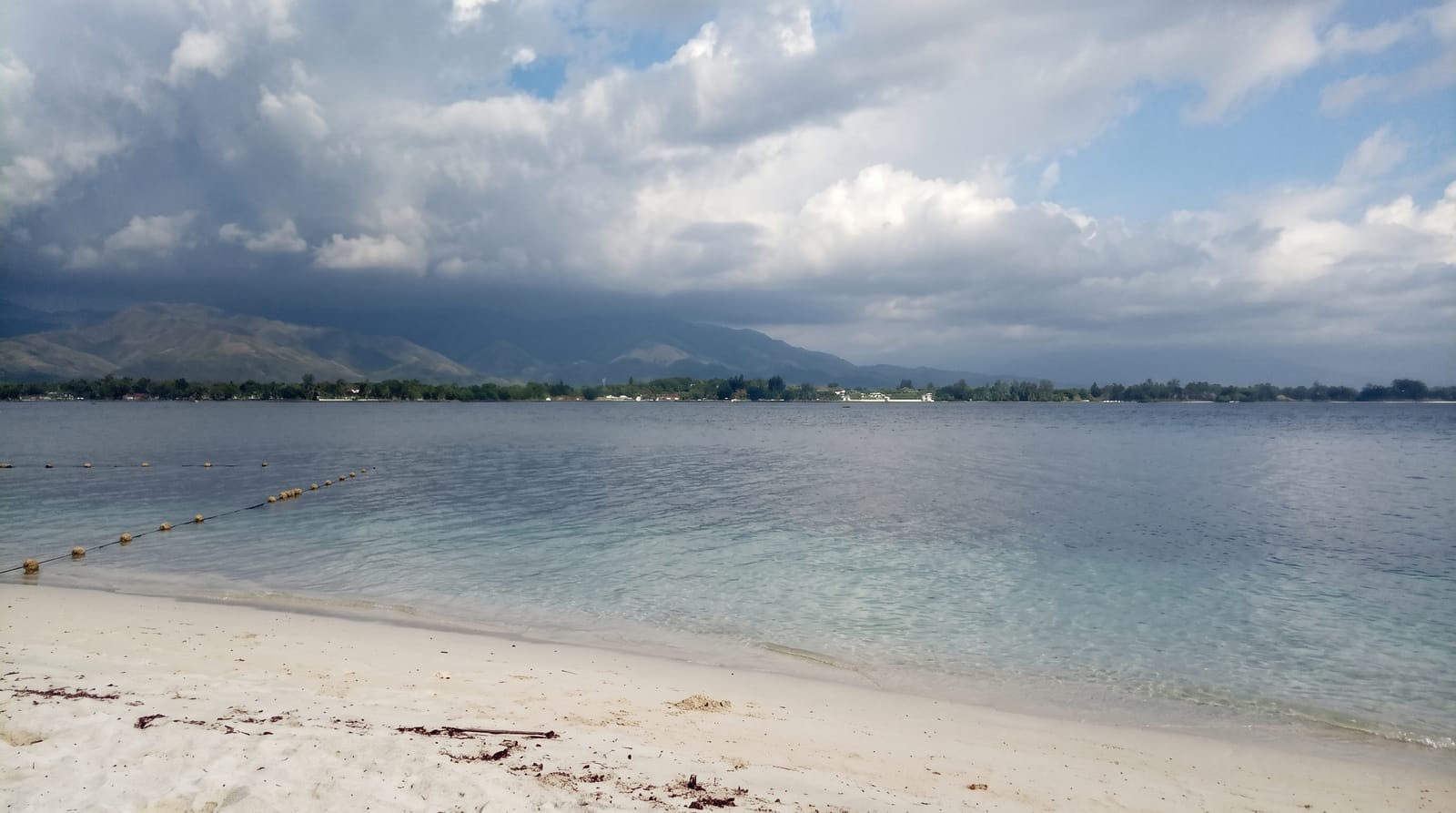
The archipelago scatters something like eight hundred islands down the Andaman coast south of Myeik, most of them uninhabited, forested to the waterline and fringed with beaches nobody uses. It was effectively closed for decades and remains lightly visited, so the reefs are in better condition than most in the region and the beaches are genuinely empty. The Moken, sea nomads who traditionally spent most of the year on boats, still live among the islands, though the way of life has changed a great deal in a generation.
History
The islands were probably first settled by Malay sailors, but stayed largely uninhabited until the 20th century; Malay and Chinese traders sheltered in their inner waters from the southwest monsoon, and the Moken found refuge among them. Accurate charts came only after 1824, when Captain Ross surveyed the outer islands in the late 1820s and Captain Lloyd the inner ones in the late 1830s (Wikipedia, Mergui Archipelago).
Highlights
- The empty beaches - long white strands on islands with no settlement at all.
- The reefs - coral in better condition than most of the Andaman coast, with good visibility.
- The Moken - sea-nomad communities living among the islands, now largely in fixed villages.
- The forest islands - limestone and granite islands wooded to the tideline, with hornbills and sea eagles.
When to go
November to April is the dry season and the only practical window; the southwest monsoon shuts the archipelago from May to October. February and March give the clearest water. Trips run to fixed departure dates.
Things to know
Access is expensive and restricted: permits are required and independent island-hopping is not possible, so this means a chartered boat or a liveaboard. Facilities on the islands are essentially nil. Visits to Moken communities vary enormously in how they are handled, and it is worth asking an operator directly how they arrange them.
Nearby
Myeik town is the main departure point and Kawthaung is at the southern tip of the country.
Key facts
Source: Wikidata, item Q1140416, read on 18 October 2026.
What to pack for Myeik Archipelago
Chosen from what this place is for. Tap a kit for the full checklist.
- Reef-safe sunscreen - High SPF that will not bleach the coral you are swimming over. Find on Amazon
- Strong insect repellent - DEET or picaridin; the jungle is where bites and disease risk are highest. Find on Amazon
- Quick-dry towel - A microfibre towel packs small and dries in minutes. Find on Amazon
- Long, light, quick-dry clothing - Covers skin from insects and sun without cooking you in the humidity. Find on Amazon
Some links on this page are Amazon affiliate links - if you buy through them we may earn a small commission at no extra cost to you.
All packing kitsPlan your trip
Where to start if Myeik Archipelago is going on the list.
Booking links on this page are affiliate links - if you book through them we may earn a small commission at no extra cost to you. It never changes what we write about a place.
Opening times, ticket prices and seasonal closures change - check the official source before you go: official site.