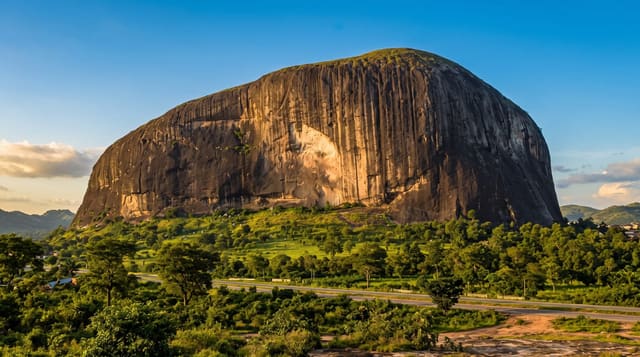
Ikh Gazriin Chuluu
A granite massif of canyons and towers rising from the Gobi steppe, larger and wilder than its better-known neighbour.
Updated 31 August 2026
Ikh Gazriin Chuluu, the great earth stone, is a granite massif rising to around 1,700 metres from the Dundgovi steppe, considerably bigger than Baga Gazriin Chuluu and far less visited, with canyons, towers and boulder fields spread across a wide area. Argali sheep and ibex live on the rock, and eagles and falcons nest on the crags. Rock climbing has developed here in recent years with bolted routes on the granite, and scrambling in the canyons is possible everywhere. The area carries associations with the 1930s political violence, when people hid among the rocks, and older sites including rock carvings and a ruined temple lie scattered through it. There is almost no infrastructure: a ger camp or two and steppe tracks. It is the kind of place where a day's walking meets nobody at all.
The landscape
- Granite canyons - clefts and gullies cutting through the massif.
- Rock towers - weathered formations rising from the steppe.
- Argali and ibex - wild sheep and goats on the higher rock.
- Climbing routes - bolted lines developed on the granite.
When to go
May to September; heat is severe in high summer and the rock becomes unpleasant by midday. Spring and early autumn are best. Nights are cold in the desert at any season.
Good to know
Tracks are rough and unmarked, and getting around the massif needs a guide or GPS. Facilities are one or two basic ger camps. There is no water in the rocks, so everything is carried. Climbing routes are sparsely documented and gear must be brought.
Nearby
Mandalgovi is west; Baga Gazriin Chuluu lies northwest.
What to pack for Ikh Gazriin Chuluu
Chosen from what this place is for. Tap a kit for the full checklist.
- Broken-in walking shoes or boots - Grip and ankle support matter more than looks; never hike in brand-new boots. Find on Amazon
- Loose, light, long clothing - Covering up beats bare skin in the desert - and locals dress this way for a reason. Find on Amazon
- Modest clothing - Shoulders and knees covered - the single most common requirement. Find on Amazon
- Layers + a waterproof shell - Mountain weather turns fast; a packable rain jacket saves the day. Find on Amazon
Some links on this page are Amazon affiliate links - if you buy through them we may earn a small commission at no extra cost to you.
All packing kitsPlan your trip
Where to start if Ikh Gazriin Chuluu is going on the list.
Booking links on this page are affiliate links - if you book through them we may earn a small commission at no extra cost to you. It never changes what we write about a place.
Opening times, ticket prices and seasonal closures change - check the official source before you go: official site.