Bras d'Eau National Park
A quiet coastal forest park in the northeast, holding the Mauritius paradise flycatcher and a small crater lake.
Updated 1 September 2026
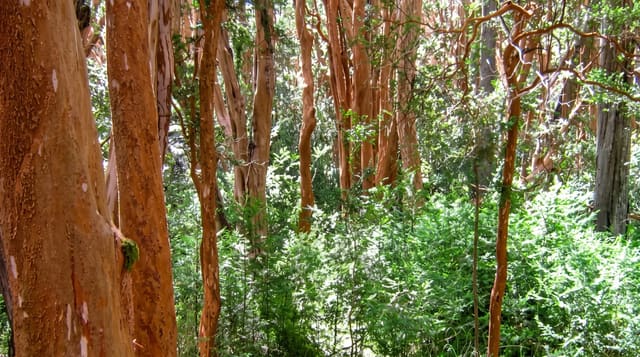
Bras d'Eau covers about 500 hectares of low forest behind the northeast coast, made a national park in 2011, and most of it is plantation rather than native woodland: eucalyptus, araucaria and other introduced trees planted over the last century. Within it are pockets of native vegetation being restored, and the park is one of the more reliable places to look for the Mauritius paradise flycatcher, along with the Mauritius grey white-eye and cuckooshrike. Marked walking and cycling trails run through the plantations, and Mare Sarcelle, a brackish coastal wetland, and a small crater lake sit within the boundaries. There are ruins of a nineteenth-century sugar operation in the forest. Visitors are few and the park is quiet on weekdays.
The landscape
- Paradise flycatcher - the endemic bird the park is best known for.
- Plantation forest - eucalyptus and araucaria stands with marked trails.
- Mare Sarcelle - the brackish coastal wetland on the park edge.
- Sugar ruins - the remains of the nineteenth-century works in the trees.
When to go
May to December for drier trails and easier walking. Early morning is best for birds. The park has little shade variation and can be hot in the summer months.
Before you go
Much of the forest is introduced plantation rather than native, which surprises visitors expecting endemic woodland. Bird sightings need patience and often a guide. Signage on the trails is limited. There are no visitor facilities.
Nearby
Poste Lafayette lies on the coast; Sagar Shiv Mandir is south.
Key facts
Source: Wikidata, item Q19460644, read on 18 October 2026.
What to pack for Bras d'Eau National Park
Chosen from what this place is for. Tap a kit for the full checklist.
- Broken-in walking shoes or boots - Grip and ankle support matter more than looks; never hike in brand-new boots. Find on Amazon
- Padded shorts - The one thing that makes a full day in the saddle bearable. Find on Amazon
- Binoculars - The single best wildlife tool - even a compact pair transforms a sighting. Find on Amazon
- Layers + a waterproof shell - Mountain weather turns fast; a packable rain jacket saves the day. Find on Amazon
Some links on this page are Amazon affiliate links - if you buy through them we may earn a small commission at no extra cost to you.
All packing kitsPlan your trip
Where to start if Bras d'Eau National Park is going on the list.
Booking links on this page are affiliate links - if you book through them we may earn a small commission at no extra cost to you. It never changes what we write about a place.
Opening times, ticket prices and seasonal closures change - check the official source before you go: official site.