Tasik Biru
A flooded gold mine at Bau whose water turned blue-green from the minerals left in the pit.
Updated 29 August 2026
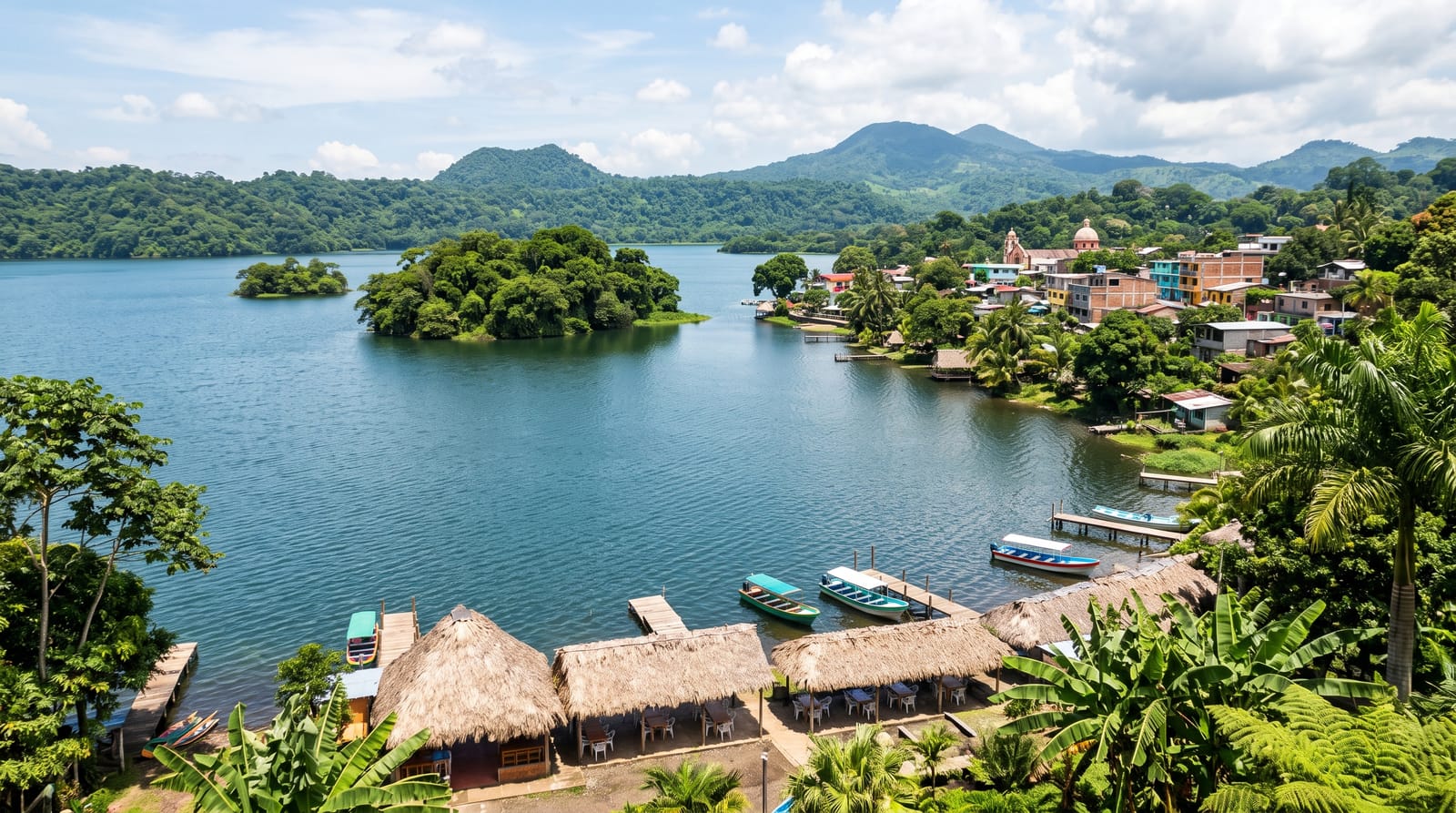
Tasik Biru means blue lake, and the colour is the whole reason anyone stops: it is a worked-out open-cast gold mine at Bau that filled with water after operations ended, and dissolved minerals in the pit give it a strong blue-green that changes with light and weather. Gold mining at Bau goes back to Chinese workings in the nineteenth century and the industry defined the town, which is why the pit sits directly beside it. There is a walkway and a park along part of the shore, a viewing point above, and the usual evening use by people from the town. The water is not for swimming - the same chemistry that produces the colour comes with a legacy of mine tailings, and arsenic contamination in the Bau area has been documented and studied for years, so the lake is looked at rather than entered.
Highlights
- A flooded open-cast pit - the worked-out gold mine that became the lake.
- Blue-green water - the colour from dissolved minerals, shifting with the light.
- A shore walkway and park - the local evening promenade above the water.
- A mining town - Bau, defined by workings going back to the nineteenth century.
When to go
All year; bright days for the colour. An hour or two.
Before you go
Do not swim - this is a mine pit with a documented tailings legacy in the area. It is small and takes an hour. On a dull day the colour is much less striking.
Nearby
Fairy Cave and Wind Cave are a few kilometres away; Kuching is east.
What to pack for Tasik Biru
Chosen from what this place is for. Tap a kit for the full checklist.
- Reef-safe sunscreen - High SPF that will not bleach the coral you are swimming over. Find on Amazon
- Head torch + spare batteries - Hands-free light is essential; caves are truly dark. Find on Amazon
- Quick-dry towel - A microfibre towel packs small and dries in minutes. Find on Amazon
- Grippy closed shoes - Cave floors are wet, muddy and slick with formations. Find on Amazon
Some links on this page are Amazon affiliate links - if you buy through them we may earn a small commission at no extra cost to you.
All packing kitsPlan your trip
Where to start if Tasik Biru is going on the list.
Booking links on this page are affiliate links - if you book through them we may earn a small commission at no extra cost to you. It never changes what we write about a place.
Opening times, ticket prices and seasonal closures change - check the official source before you go: official site.