Mahajanga
A breezy northwestern port with a Swahili and Indian Ocean feel, a long seafront corniche and an enormous baobab on it.
Updated 20 October 2026
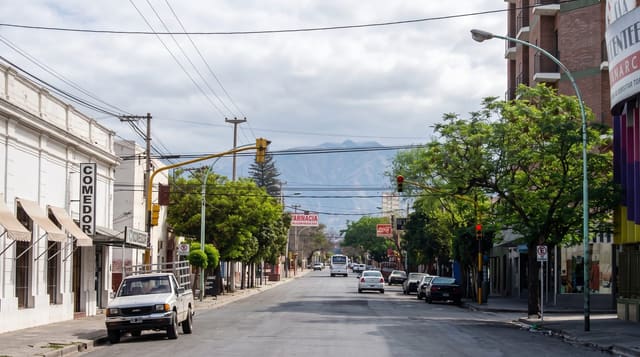
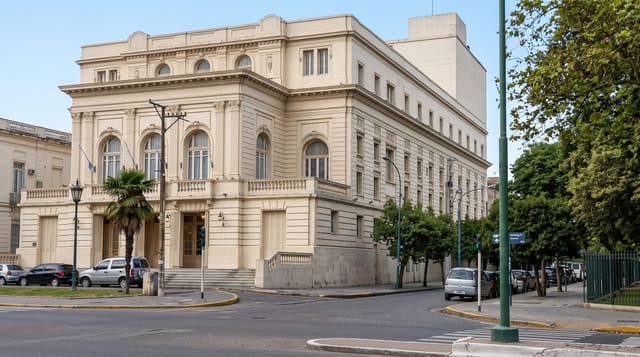
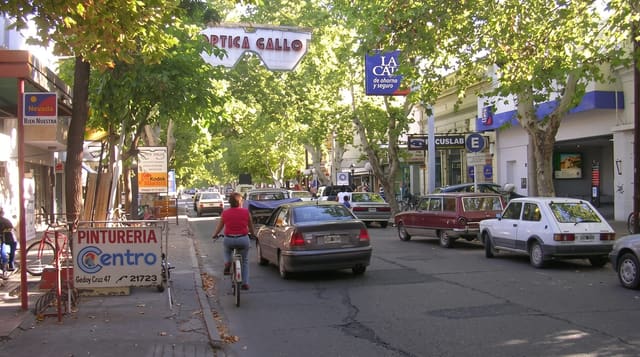
Mahajanga sits where the Betsiboka river meets the Mozambique Channel, and centuries of trade with the Comoros, East Africa, Arabia and India have left it looking and feeling different from the highland cities: mosques and Indian trading houses along the streets, a mixed population, and a slower coastal rhythm. The seafront corniche is the centre of life, filling in the evening with families, food stalls and music, and the landmark on it is a baobab said to be several centuries old with a trunk many metres around. The old town behind holds the Rova quarter and colonial-era buildings in various states of decay. Beaches at Amborovy lie just north of town. It is hot, humid and unhurried, and works as a base for Ankarafantsika and the caves rather than as a sight in itself.
History
Since the 10th century the ports of northern Madagascar had drawn merchants from East Africa, the Middle East and further afield, and by the 1780s, according to the French traveller Dumaine, about 200 Muslim traders from the Indian subcontinent lived at the mouth of the Betsiboka, which is why the name Mahajanga may be Indic (Wikipedia, Mahajanga).
The main sights
- The corniche - evening crowds, stalls and music on the seafront.
- The great baobab - the centuries-old tree on the promenade.
- Trading-town streets - mosques and Indian merchant architecture.
- Amborovy beach - the sandy stretch just north of the city.
When to go
May to November, the dry season, when the heat is bearable and roads are open. Evenings on the corniche are the best part of any day. December to April is hot, wet and cyclone-prone.
What to expect
The city is shabby in places and there are few conventional sights; the pleasure is atmosphere rather than monuments. Heat and humidity are constant. The sea in front of town is silty and brown from the Betsiboka, so swimming means going north to Amborovy.
Nearby
Cirque Rouge and Amborovy are north; Ankarafantsika lies southeast.
Key facts
Source: Wikidata, item Q218753, read on 18 October 2026.
What to pack for Mahajanga
Chosen from what this place is for. Tap a kit for the full checklist.
- Reef-safe sunscreen - High SPF that will not bleach the coral you are swimming over. Find on Amazon
- Head torch + spare batteries - Hands-free light is essential; caves are truly dark. Find on Amazon
- Strong insect repellent - DEET or picaridin; the jungle is where bites and disease risk are highest. Find on Amazon
- Comfortable walking shoes - Sightseeing means kilometres of pavement and cobbles daily. Find on Amazon
Some links on this page are Amazon affiliate links - if you buy through them we may earn a small commission at no extra cost to you.
All packing kitsPlan your trip
Where to start if Mahajanga is going on the list.
Booking links on this page are affiliate links - if you book through them we may earn a small commission at no extra cost to you. It never changes what we write about a place.
Opening times, ticket prices and seasonal closures change - check the official source before you go: official site.