Fort Thungen
The arrowhead fort on Kirchberg, its three towers restored and a fortress museum inside.
Updated 16 October 2026
UNESCO World Heritage
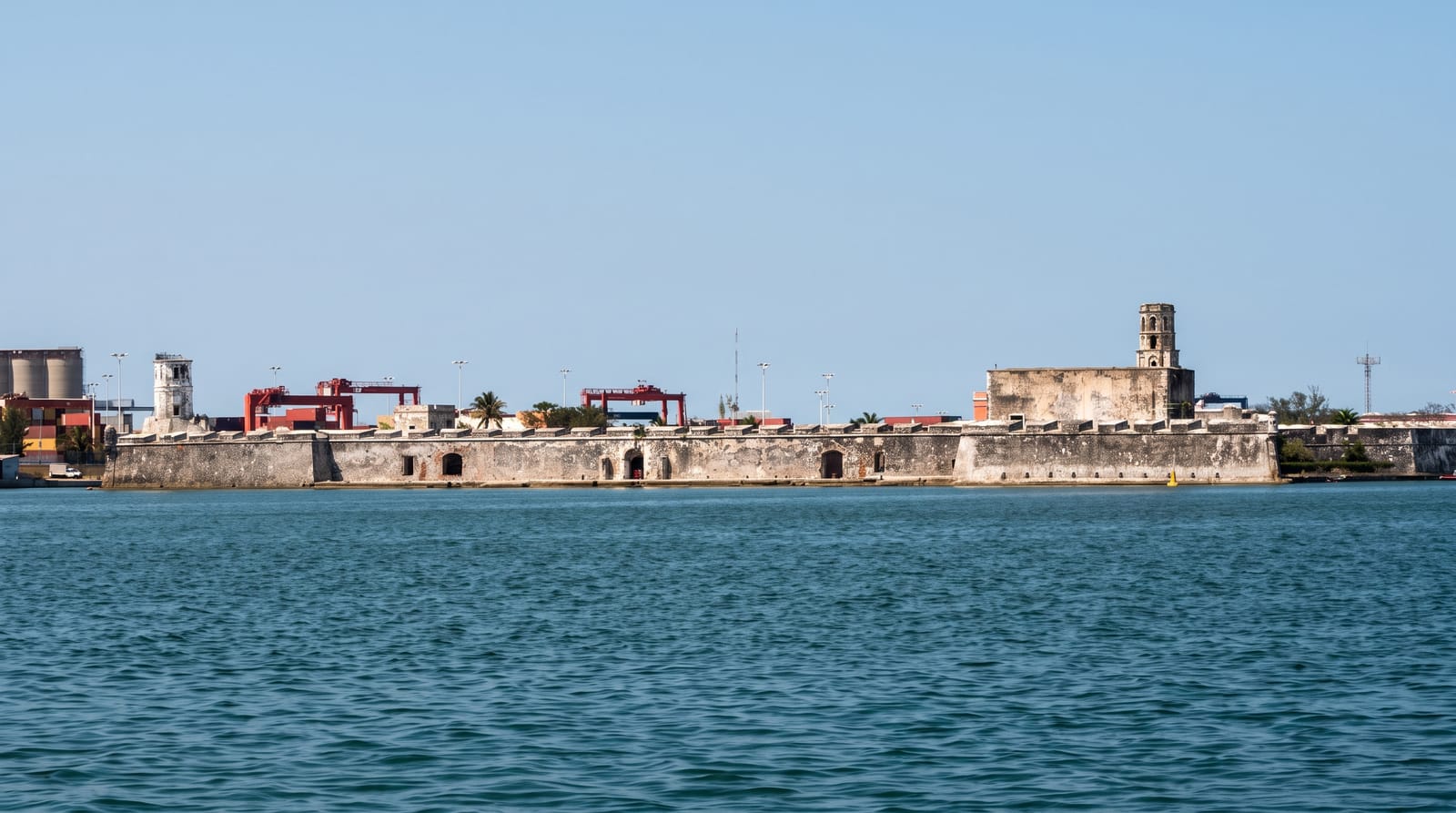
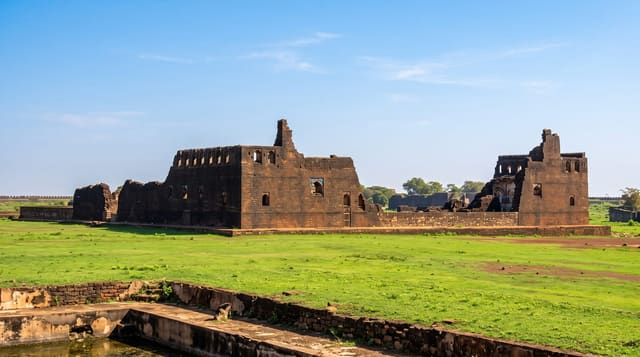
Fort Thüngen was built by the Austrians in 1732 and rebuilt in the nineteenth century as part of the fortress ring, and it is known locally as the Three Acorns for the stone finials on its three towers. Most of it was demolished under the 1867 treaty that dismantled the fortress; the towers and the foundations were excavated and restored from the 1990s, and the Musée Dräi Eechelen inside covers the fortress and the city's history. It lies within the inscribed fortifications.
Background
Built in 1732-1733, the fort takes its name from Adam Sigmund von Thüngen. Its works were enlarged and strengthened in 1836 and again from 1859 to 1860. When most of the fortress was taken down after 1867, only the three towers survived, along with the foundations of the remaining fort. During the 1990s the entire site was rebuilt, in step with preparing the ground for the Mudam, Luxembourg's museum of modern art, and after full restoration it reopened in 2012 as the Musée Dräi Eechelen. The fort lies in the north-east of Luxembourg City, inside Dräi Eechelen Park in Kirchberg, and its nickname appears in French as Trois glands and in German as Drei Eicheln.
Source: Wikipedia, "Fort Thüngen"
The main sights
- The three towers - the restored turrets with their acorn finials.
- The Drai Eechelen museum - the collection on the fortress and the city.
- The excavated foundations - the fort's outline recovered and consolidated.
- The Mudam contrast - the modern museum standing on the adjacent bastion.
When to go
Year round; the museum closes on Tuesdays and opens late on Wednesdays. The grounds are open and free. Evening lighting shows the towers well.
Before you go
Most of the fort was demolished in 1867 and what stands is restoration on excavated foundations. The museum closes on Tuesdays. Labelling is in French and German with some English.
Nearby
Mudam is adjacent, and the old town is southwest.
Key facts
Source: Wikidata, item Q585990, read on 18 October 2026.
What to pack for Fort Thungen
Chosen from what this place is for. Tap a kit for the full checklist.
- Comfortable walking shoes - Sightseeing means kilometres of pavement and cobbles daily. Find on Amazon
- A slim anti-theft daypack - Zips that close properly; keep it in front in crowds and on transit. Find on Amazon
- A refillable water bottle - Many cities have public fountains; save money and plastic. Find on Amazon
- A light layer + compact umbrella - For museum air-con and a sudden shower. Find on Amazon
Some links on this page are Amazon affiliate links - if you buy through them we may earn a small commission at no extra cost to you.
All packing kitsPlan your trip
Where to start if Fort Thungen is going on the list.
Booking links on this page are affiliate links - if you book through them we may earn a small commission at no extra cost to you. It never changes what we write about a place.
Opening times, ticket prices and seasonal closures change - check the official source before you go: official site.