Batroun
A small coastal town of a Phoenician sea wall, stone lanes and the lemonade it is known for across the country.
Updated 20 October 2026

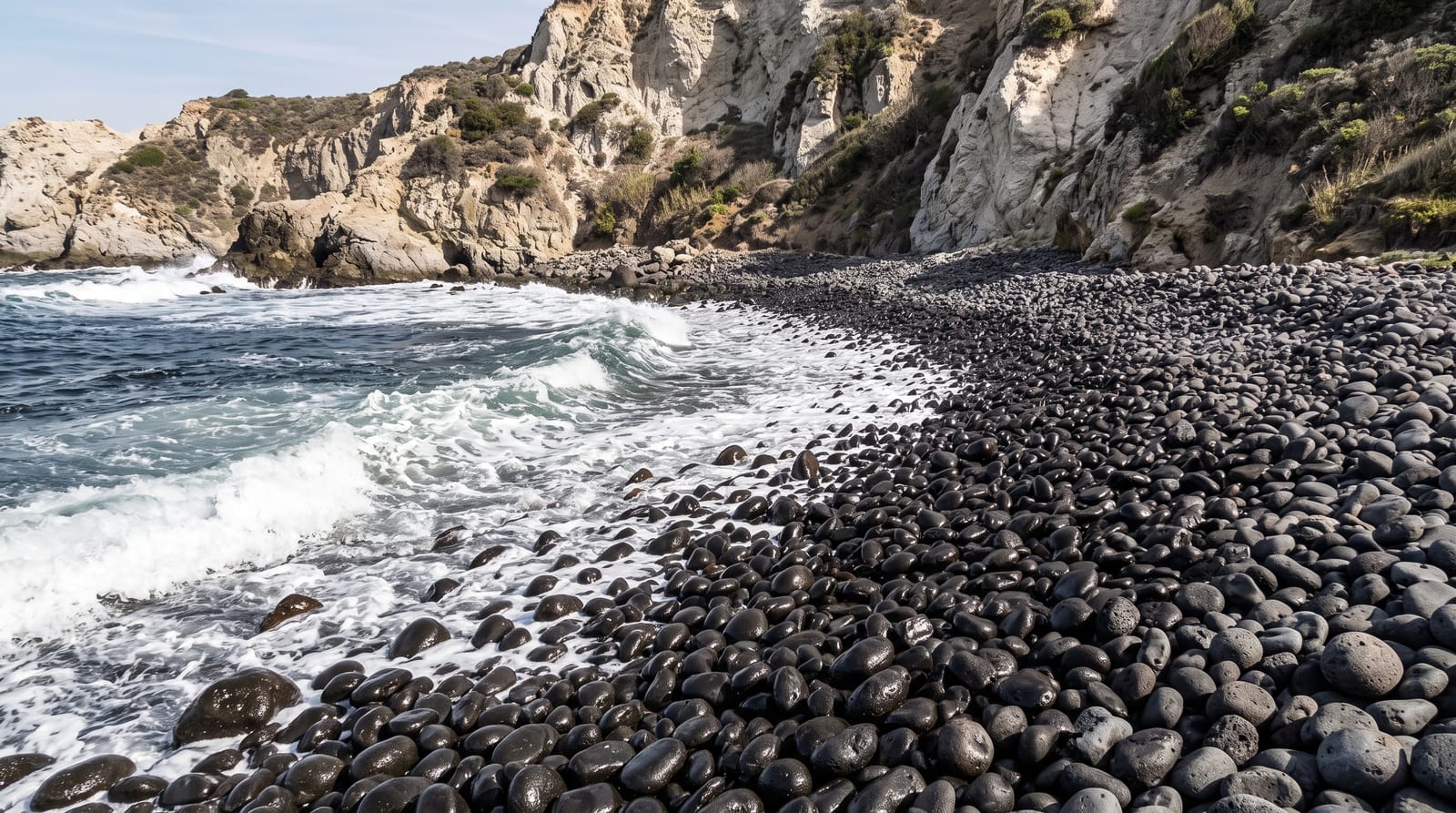
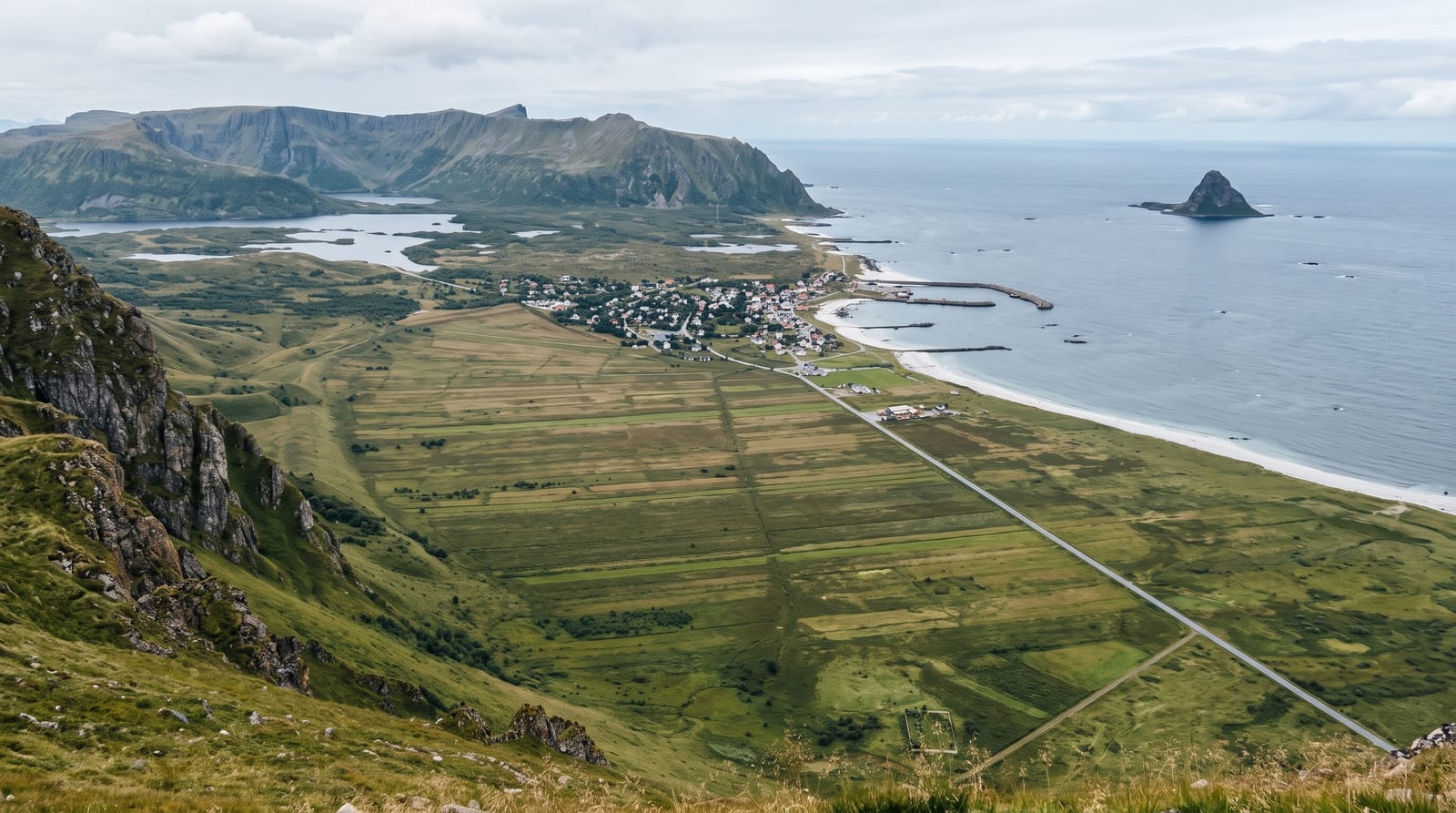
AI illustration
Batroun is one of the oldest continuously inhabited towns on this coast, and its most distinctive feature is a Phoenician sea wall, a long curving barrier of fused marine rock that protects the old harbour and still takes the swell. Behind it, stone lanes run between churches, small shops and cafés, and the town has become the summer destination for Beirut without quite losing its own scale. It is known nationally for fresh lemonade, sold from a handful of long-established shops and drunk by the litre. Along the coast either side are beach clubs, surf schools and, inland, the Msaylha fort standing on a rock in a valley, a compact Ottoman-era fortification with a memorable setting.
History
Batroun is probably the Batruna of the Amarna letters of the 14th century BC, and Strabo, Pliny and Ptolemy all mention it. The Phoenicians founded it on the south side of the cape the Greeks called Theoprosopon, and tradition credits its founding to Ithobaal I, king of Tyre (Wikipedia, Batroun).
Highlights
- The Phoenician sea wall - the ancient curving barrier at the old harbour.
- The old town lanes - stone streets, churches and small shops.
- Batroun lemonade - the town's signature drink from its long-standing shops.
- Msaylha fort - a small fortress on a rock outcrop in the valley inland.
When to go
May to October for swimming and the summer scene, with July and August busiest and priciest. Spring and autumn are calmer and pleasant for walking the old town. Winter storms hit this coast hard.
Practical notes
Much of the seafront is occupied by private beach clubs with entry fees, so free public access to the water is limited. In peak summer the town fills with weekend traffic from Beirut and parking becomes difficult. The old town is small and can be walked in an hour.
Nearby
Byblos is 20 km south; the Qadisha valley and the cedars are inland to the east.
What to pack for Batroun
Chosen from what this place is for. Tap a kit for the full checklist.
- Reef-safe sunscreen - High SPF that will not bleach the coral you are swimming over. Find on Amazon
- Quick-dry clothing - Board shorts or synthetics that shrug off spray and dry fast. Find on Amazon
- Quick-dry towel - A microfibre towel packs small and dries in minutes. Find on Amazon
- Secure water shoes or reef boots - Grip on slippery launches and protection on rocky shores. Find on Amazon
Some links on this page are Amazon affiliate links - if you buy through them we may earn a small commission at no extra cost to you.
All packing kitsPlan your trip
Where to start if Batroun is going on the list.
Booking links on this page are affiliate links - if you book through them we may earn a small commission at no extra cost to you. It never changes what we write about a place.
Opening times, ticket prices and seasonal closures change - check the official source before you go: official site.