Koknese Castle Ruins
Thirteenth-century castle ruins on the Daugava, half drowned when the Plavinas reservoir was filled in 1966.
Updated 20 October 2026
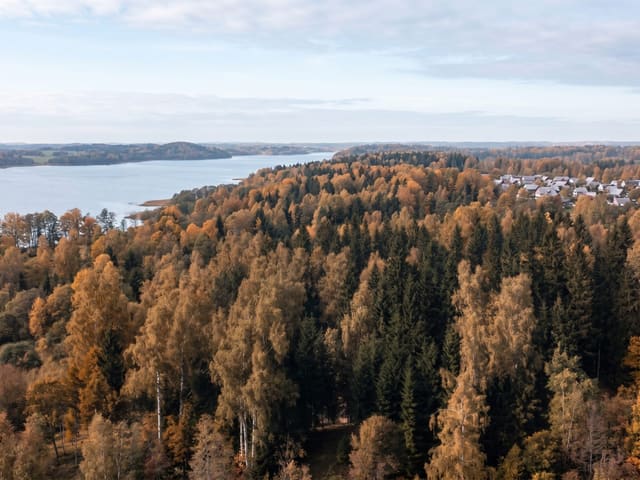
The castle at Koknese was built from 1209 by the Bishop of Riga on a rock where the Perse joined the Daugava, a commanding position over the river route, and it was blown up in 1701 and left as a ruin. The setting changed completely in 1966 when the Plavinas hydroelectric dam raised the Daugava by around forty metres: the rock, the dolomite cliffs, the Perse waterfall and the lower part of the ruins went under, and the castle now stands at the water's edge on what was previously high above it. The walls and towers survive to a good height and are consolidated, with a park around them and the Garden of Destiny memorial island nearby.
History
A wooden hillfort of the Balts stood here until 1208, and in 1209 Bishop Albert of Riga ordered a stone castle built, naming it Kokenhusen. It was blown up in 1701, in the Great Northern War, and in the 1960s the reservoir of the Pļaviņas hydroelectric plant partly submerged it and flooded the valley around it (Wikipedia, Koknese Castle).
What you'll find
- The ruined walls - the towers and curtain standing at the water's edge.
- The reservoir - the raised Daugava lapping the base of the ruins.
- The park - the grounds around the castle.
- The changed landscape - the drowned cliffs and river the dam covered.
When to go
May to September when the site is staffed and the park open; access is possible but unstaffed in winter. Autumn colours the riverside. Water levels vary with dam operation.
Good to know
The setting was fundamentally altered by the reservoir and photographs from before 1966 show a different place. The ruin is consolidated with limited interpretation. Facilities are seasonal. The visit takes about an hour.
Nearby
Aizkraukle lies west; Jekabpils is east up the river.
Key facts
Source: Wikidata, item Q3744576, read on 18 October 2026.
What to pack for Koknese Castle Ruins
Chosen from what this place is for. Tap a kit for the full checklist.
- Comfortable walking shoes - Sightseeing means kilometres of pavement and cobbles daily. Find on Amazon
- A slim anti-theft daypack - Zips that close properly; keep it in front in crowds and on transit. Find on Amazon
- A refillable water bottle - Many cities have public fountains; save money and plastic. Find on Amazon
- A light layer + compact umbrella - For museum air-con and a sudden shower. Find on Amazon
Some links on this page are Amazon affiliate links - if you buy through them we may earn a small commission at no extra cost to you.
All packing kitsPlan your trip
Where to start if Koknese Castle Ruins is going on the list.
Booking links on this page are affiliate links - if you book through them we may earn a small commission at no extra cost to you. It never changes what we write about a place.
Opening times, ticket prices and seasonal closures change - check the official source before you go: official site.