Mnarani Ruins
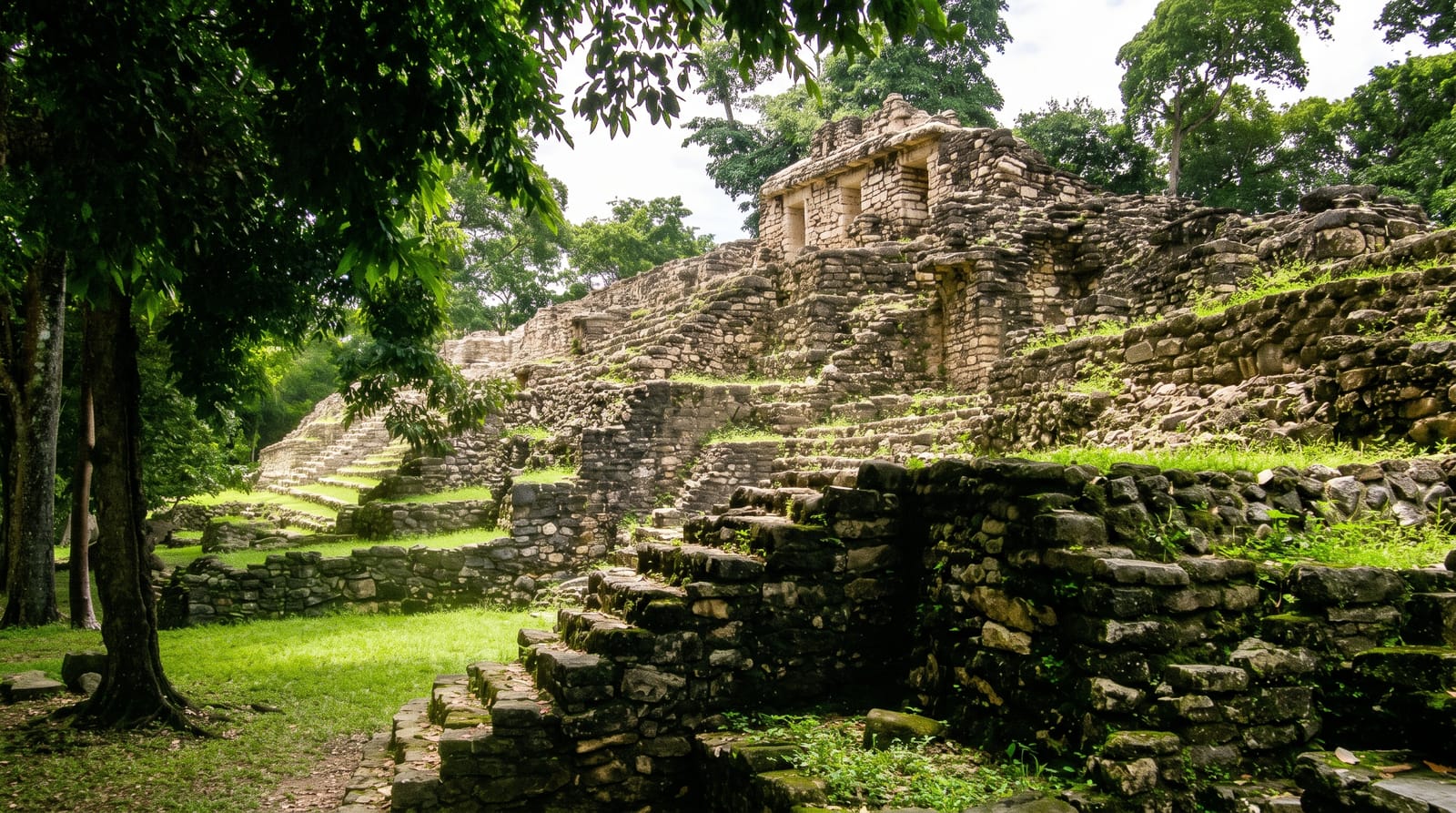
Swahili mosque and tomb ruins on a bluff above Kilifi Creek, with an enormous baobab beside them.
Updated 21 October 2026
Mnarani was a Swahili settlement occupied from around the fourteenth to the seventeenth century on the bluff above Kilifi Creek, and what remains are two mosques, a group of pillar tombs and fragments of walls, set among trees with a very large baobab beside the main mosque. The great mosque has a carved inscription around its mihrab, and the pillar tombs are the distinctive coastal form, tall columns marking graves, some once inlaid with imported porcelain. The site looks down over the creek where dhows and yachts moor, and the view is part of the appeal. Reaching it means a short climb from the road below the Kilifi bridge. It is small, quiet and usually empty, and a caretaker guide explains the buildings and the settlement's decline, which local tradition attributes to Oromo raids.
What you'll find
- The great mosque - the main ruin with its carved mihrab inscription.
- Pillar tombs - the tall columnar graves typical of the coast.
- The baobab - a very large tree standing among the ruins.
- Creek views - the water and moorings below the bluff.
When to go
Dry seasons for comfort; the site is partly shaded. Mornings are cooler for the climb up from the road. It takes under an hour and fits easily into a stop at Kilifi.
Before you go
The ruins are fragmentary and the site is small, so this is a short visit rather than a destination. Interpretation depends on the caretaker being present. The climb from the road is steep and unshaded. Facilities amount to a ticket hut.
Nearby
Kilifi town is across the creek; Watamu and Gede lie north.
Key facts
Source: Wikidata, item Q18209324, read on 18 October 2026.
What to pack for Mnarani Ruins
Chosen from what this place is for. Tap a kit for the full checklist.
- Comfortable walking shoes - Sightseeing means kilometres of pavement and cobbles daily. Find on Amazon
- Modest clothing - Shoulders and knees covered - the single most common requirement. Find on Amazon
- Shelter suited to the place - Tent, tarp or hut booking - match it to the terrain and rules. Find on Amazon
- A slim anti-theft daypack - Zips that close properly; keep it in front in crowds and on transit. Find on Amazon
Some links on this page are Amazon affiliate links - if you buy through them we may earn a small commission at no extra cost to you.
All packing kitsPlan your trip
Where to start if Mnarani Ruins is going on the list.
Booking links on this page are affiliate links - if you book through them we may earn a small commission at no extra cost to you. It never changes what we write about a place.
Opening times, ticket prices and seasonal closures change - check the official source before you go: official site.