Kora National Park
A remote thorn-scrub wilderness on the Tana river where George Adamson returned lions to the wild and is buried.
Updated 29 October 2026
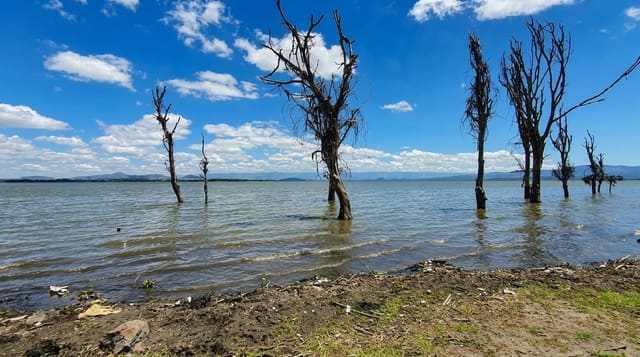
Kora lies across the Tana from Meru, a hot low wilderness of thorn scrub, inselberg rocks and riverine forest along the water, and it is one of the least developed national parks in Kenya. Its history is bound to George Adamson, who moved here in 1970 and spent almost two decades rehabilitating lions and leopards to the wild at his camp at Kampi ya Simba, work that continued until he was killed in the park in 1989; his grave and the camp site remain, and both are visited by those who make the journey. Wildlife is thin and shy after decades of pressure, with elephant, lesser kudu, hippo and crocodile in the river, and the appeal is the emptiness rather than the game list. Facilities amount to campsites; everything must be brought in, including water and fuel.
Background
Kora National Park covers 1,788 square kilometres of Tana River County, Kenya, 125 kilometres east of Mount Kenya. A nature reserve from 1973, it was made a national park in 1989, after poachers killed George Adamson and two of his assistants there; Adamson lies buried in the park with three lions he released. The Tana River and Meru National Park form 65 kilometres of its northern boundary, and the Tana's features there include Adamson's Falls, Grand Falls and the Kora rapids. From 490 metres in the south-west the land falls gently to about 270 metres in the north-east, a rolling plain from which rocky inselbergs such as Mansumbi and Kora Rock rise. Most of the park is acacia bushland, with riverine forest of doum palm and Tana River poplar.
Source: Wikipedia, "Kora National Park"
Highlights
- Kampi ya Simba - Adamson's camp site and grave.
- The Tana river - riverine forest, hippo and crocodile on the boundary.
- Inselberg rocks - granite outcrops rising from the thorn scrub.
- Wilderness emptiness - a park with almost no visitors or infrastructure.
When to go
Dry seasons; the tracks are impassable in the rains and the Tana floods. It is very hot country and midday is unbearable. Visits require planning with the park service well in advance.
Before you go
This is expedition travel, not a safari: no lodges, no fuel, no water, no signal, and rough tracks that require a capable convoy. Wildlife sightings are few and far between. Arrangements should be made with the Kenya Wildlife Service beforehand.
Nearby
Meru National Park lies across the Tana; Mwingi is southwest.
Key facts
Source: Wikidata, item Q1784196, read on 18 October 2026.
What to pack for Kora National Park
Chosen from what this place is for. Tap a kit for the full checklist.
- Broken-in walking shoes or boots - Grip and ankle support matter more than looks; never hike in brand-new boots. Find on Amazon
- Binoculars - The single best wildlife tool - even a compact pair transforms a sighting. Find on Amazon
- Shelter suited to the place - Tent, tarp or hut booking - match it to the terrain and rules. Find on Amazon
- Layers + a waterproof shell - Mountain weather turns fast; a packable rain jacket saves the day. Find on Amazon
Some links on this page are Amazon affiliate links - if you buy through them we may earn a small commission at no extra cost to you.
All packing kitsPlan your trip
Where to start if Kora National Park is going on the list.
Booking links on this page are affiliate links - if you book through them we may earn a small commission at no extra cost to you. It never changes what we write about a place.
Opening times, ticket prices and seasonal closures change - check the official source before you go: official site.