Aberdare National Park
A high forest and moorland range where waterfalls drop off the plateau and animals come to floodlit waterholes at night.
Updated 20 October 2026
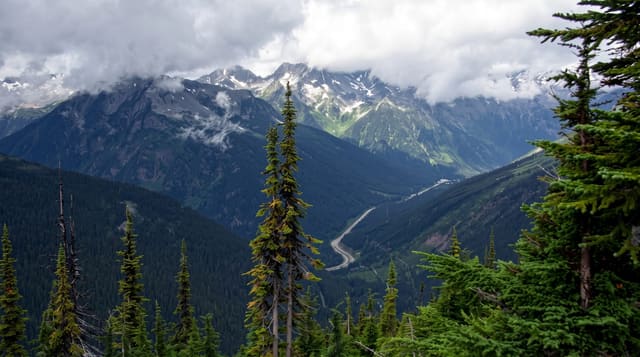
The Aberdares run north to south for about a hundred and sixty kilometres, rising from dense montane forest through bamboo into open moorland above three thousand metres where giant lobelias and groundsels stand in the tussock grass, a landscape that feels nothing like the savannah most visitors come to Kenya for. Streams off the plateau cut deep ravines and fall in long drops, including Karuru, Gura and Chania. The forest holds elephant, buffalo, black rhino, bushbuck and the melanistic leopards and serval that this range is known for, though the vegetation makes sightings a matter of luck. The park's most distinctive experience is the tree hotels, Treetops and The Ark, built over waterholes with floodlights and viewing decks so guests watch animals through the night rather than driving out to find them. Weather is wet, cold and misty for much of the year.
History
The park was set up in 1950 to protect the Aberdare Mountains and now covers 767 square kilometres; it is best known as the place where, in 1952, Elizabeth II became Queen on her father's death while staying at the Treetops Hotel (Wikipedia, Aberdare National Park).
What you'll find
- Moorland and giant plants - lobelias and groundsels above the treeline.
- The waterfalls - Karuru, Gura and Chania dropping off the plateau.
- Tree hotel waterholes - floodlit night viewing from Treetops and The Ark.
- Forest wildlife - elephant, buffalo, bushbuck and, with luck, melanistic leopard.
When to go
The drier windows, January to March and June to October, for passable tracks; the moorland roads turn to mud in the rains and 4x4 is essential year-round. It is cold at altitude, near freezing at night, which surprises visitors packing for safari heat.
Good to know
Dense vegetation means far fewer sightings than in the savannah parks; visitors expecting Maasai Mara density leave disappointed. Mist and rain can close in for days. Tracks are rough and vehicles get stuck in the wet. Tree hotel bookings are made through their parent lodges and transfers are fixed.
Nearby
Ol Pejeta and Solio lie north; Nyeri and the Central Highlands are east.
Key facts
Source: Wikidata, item Q319356, read on 18 October 2026.
What to pack for Aberdare National Park
Chosen from what this place is for. Tap a kit for the full checklist.
- Broken-in walking shoes or boots - Grip and ankle support matter more than looks; never hike in brand-new boots. Find on Amazon
- Binoculars - The single best wildlife tool - even a compact pair transforms a sighting. Find on Amazon
- Layers + a waterproof shell - Mountain weather turns fast; a packable rain jacket saves the day. Find on Amazon
- A zoom camera or long lens - Animals rarely come close; reach beats megapixels. Find on Amazon
Some links on this page are Amazon affiliate links - if you buy through them we may earn a small commission at no extra cost to you.
All packing kitsPlan your trip
Where to start if Aberdare National Park is going on the list.
Booking links on this page are affiliate links - if you book through them we may earn a small commission at no extra cost to you. It never changes what we write about a place.
Opening times, ticket prices and seasonal closures change - check the official source before you go: official site.