Ulytau
Low hills in the centre of the country regarded as the historical heartland of the Kazakh steppe, with medieval mausoleums.
Updated 14 October 2026
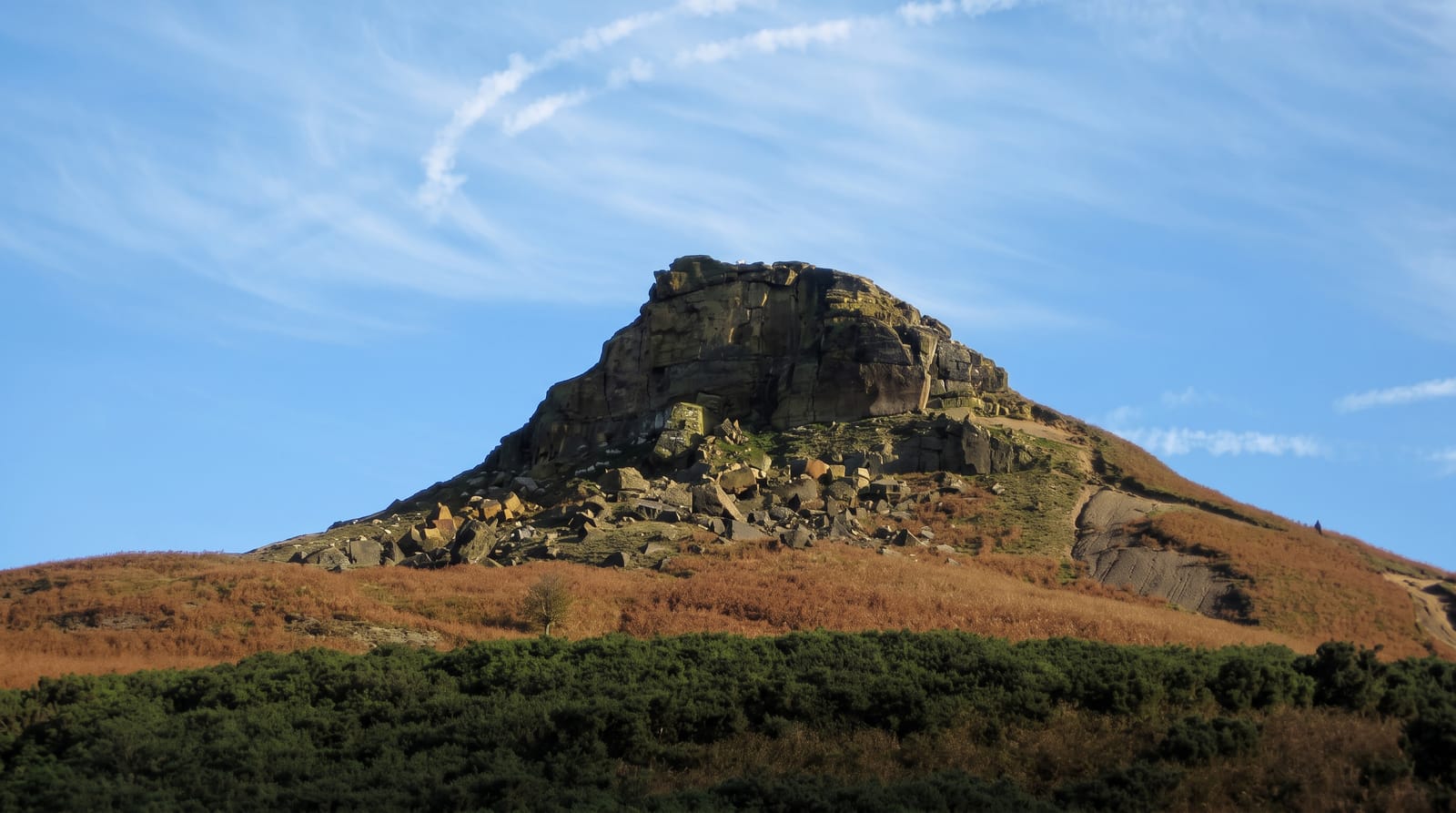
Ulytau, the great mountains, is a range of low worn hills near the geographical centre of Kazakhstan, and its importance is historical rather than scenic: this is where the steppe khanates held assemblies, where the Kazakh khanate is traditionally rooted, and where a set of medieval mausoleums stands in open grassland. The tomb attributed to Jochi, the eldest son of Genghis Khan, is the best known, a domed brick mausoleum of the thirteenth or fourteenth century; the Alasha Khan and Dombauyl mausoleums stand elsewhere in the area. Petroglyphs, ancient mining sites and burial mounds are scattered across the hills. The area is thinly populated and rarely visited.
Highlights
- Jochi Khan mausoleum - the brick domed tomb in open steppe.
- Alasha Khan mausoleum - the second major medieval tomb of the area.
- The hills - the worn granite uplands of the steppe centre.
- Ancient workings - the old copper mining traces around Zhezkazgan.
When to go
May to June for green steppe and flowers, and September for clear autumn weather. Summer is hot and dusty, winter severe with wind. Roads become impassable in thaw and after rain.
What to expect
The mausoleums have been restored, in places heavily, and distinguishing original fabric is difficult. Distances between sites are long over rough roads. There are no visitor facilities. Interpretation is minimal and in Kazakh or Russian.
Nearby
Zhezkazgan lies southeast; the central steppe surrounds the hills.
What to pack for Ulytau
Chosen from what this place is for. Tap a kit for the full checklist.
- Comfortable walking shoes - Sightseeing means kilometres of pavement and cobbles daily. Find on Amazon
- A slim anti-theft daypack - Zips that close properly; keep it in front in crowds and on transit. Find on Amazon
- A refillable water bottle - Many cities have public fountains; save money and plastic. Find on Amazon
- A light layer + compact umbrella - For museum air-con and a sudden shower. Find on Amazon
Some links on this page are Amazon affiliate links - if you buy through them we may earn a small commission at no extra cost to you.
All packing kitsPlan your trip
Where to start if Ulytau is going on the list.
Booking links on this page are affiliate links - if you book through them we may earn a small commission at no extra cost to you. It never changes what we write about a place.
Opening times, ticket prices and seasonal closures change - check the official source before you go: official site.