Oshino Hakkai
Eight ponds fed by Fuji snowmelt filtered through lava for decades, so clear the bottom looks close enough to touch.
Updated 14 October 2026
UNESCO World Heritage
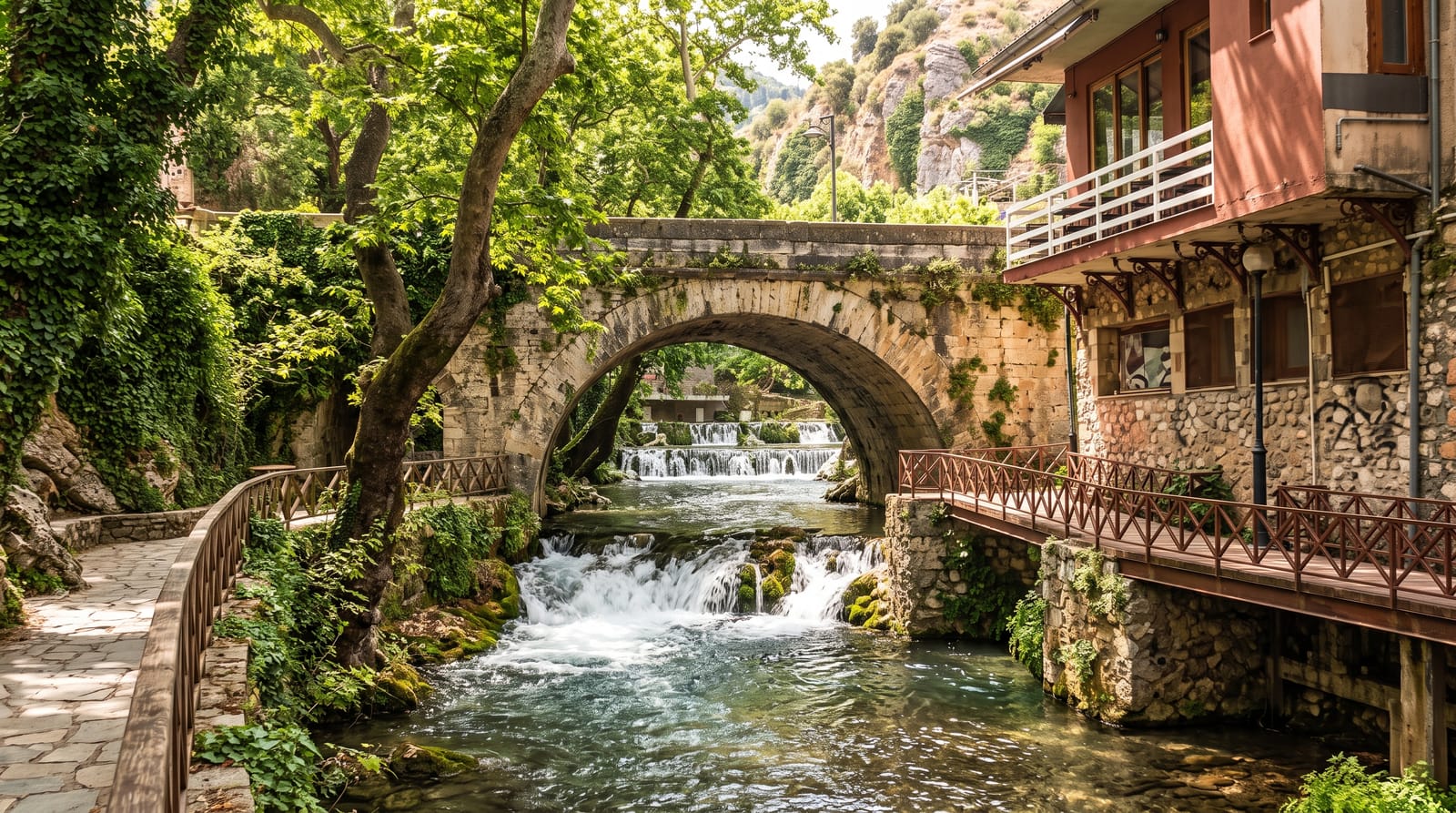
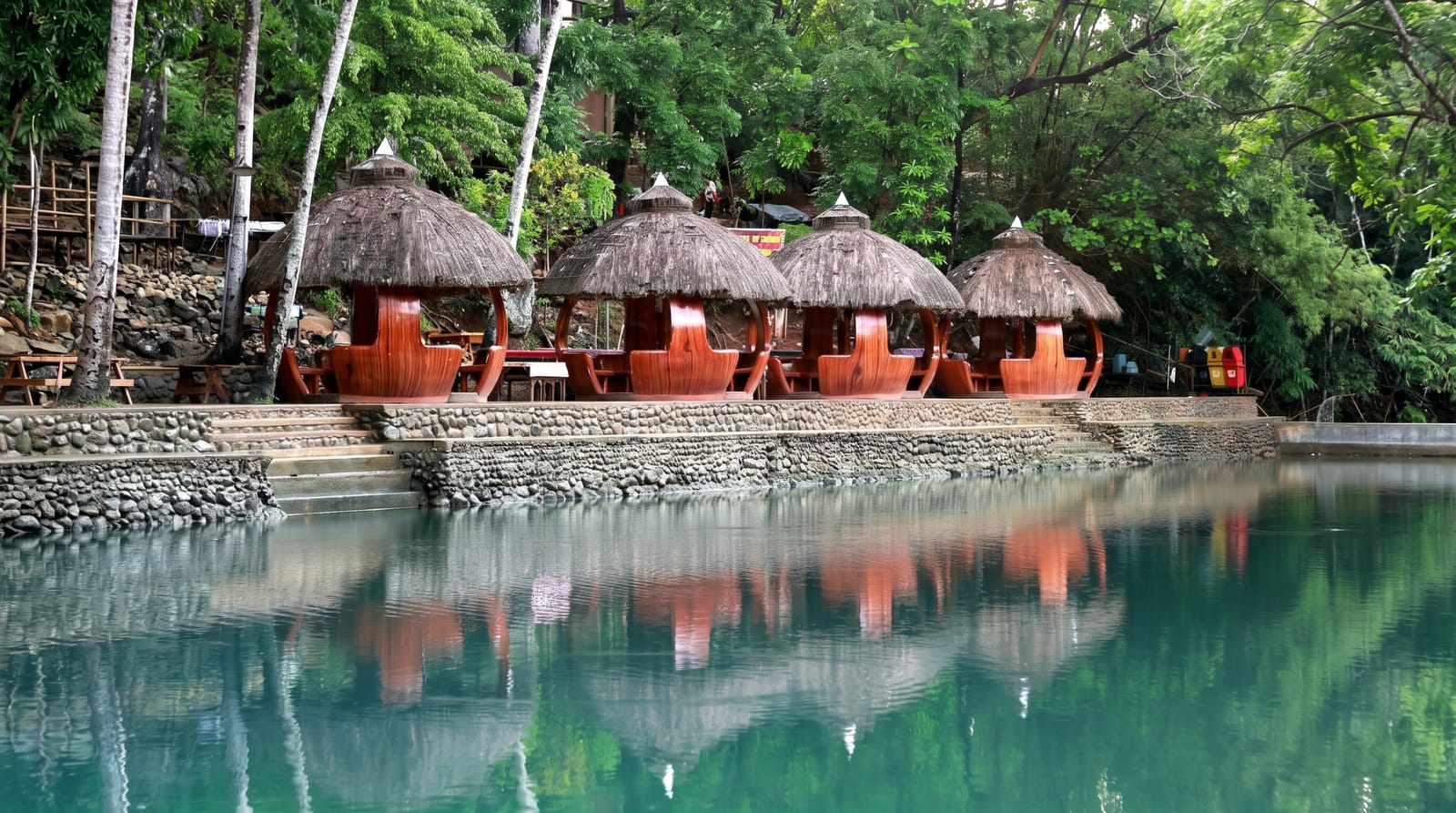
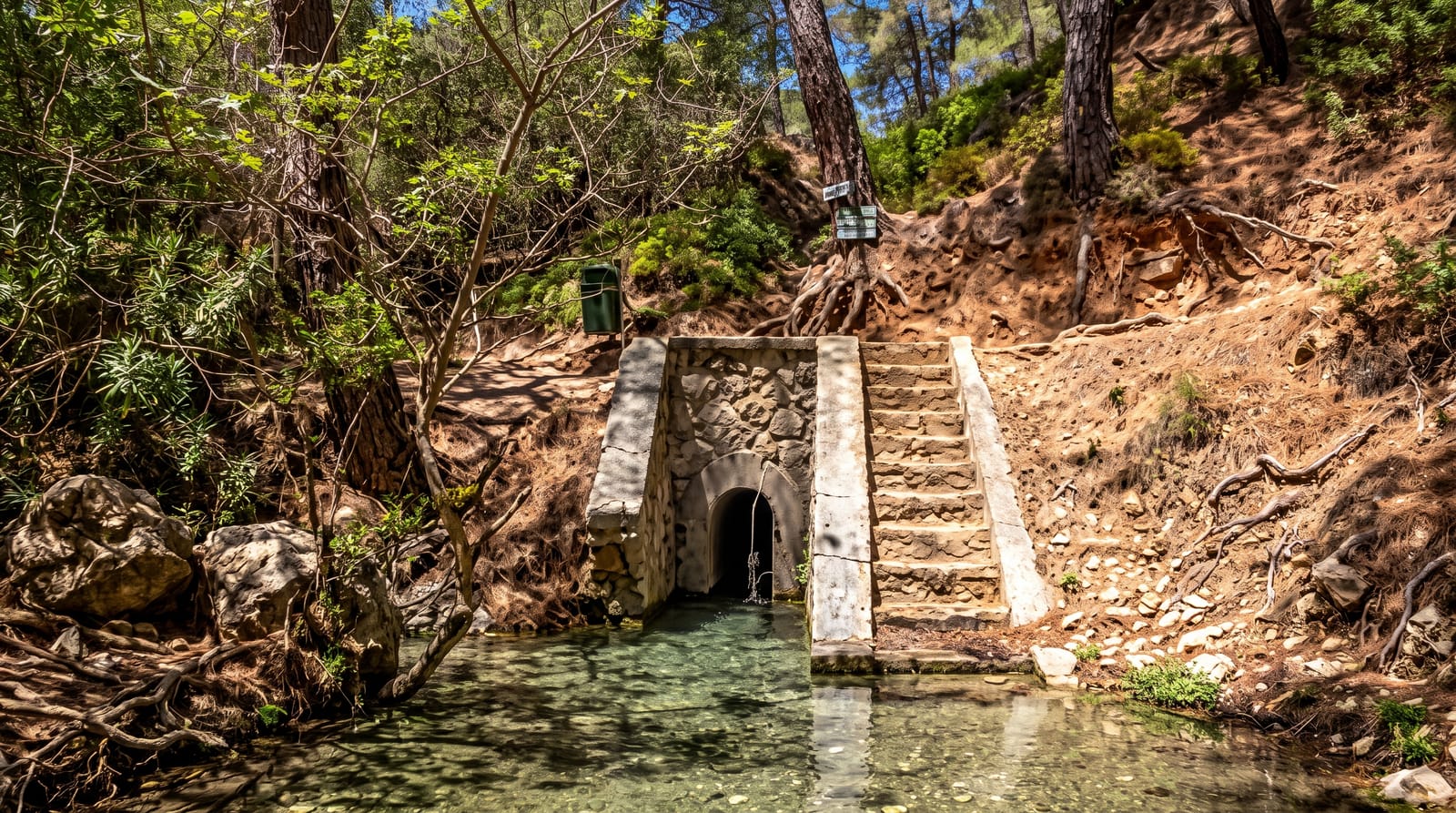
Snow melting on Fuji sinks into the mountain's porous lava and travels through it for something on the order of decades before emerging in this basin, and the filtering is what produces the water: cold, constant at about twelve degrees, and clear enough that the plants and fish several metres down look like they are just under the surface. Eight ponds are spread across the village, some in front of thatched houses, and the whole group is a designated natural monument and part of the Fujisan UNESCO inscription as a site of religious purification - pilgrims washed here before climbing. Wakuike, the deepest, is on a paid site with a museum. The village is small, the ponds are close together, and two hours covers it. On clear days Fuji stands directly behind the thatched roofs, which is why it is on every itinerary between the lakes.
The landscape
- Decades-old water - Fuji snowmelt filtered through lava before emerging here.
- Extreme clarity - fish and plants metres down appearing just below the surface.
- Eight ponds - spread through a village of thatched houses.
- A purification site - part of the Fujisan UNESCO inscription for the pilgrim washing.
When to go
November to February for Fuji behind the roofs; all year for the water. Two hours.
Practical notes
It is small and very crowded - coach parties fill the paths through the middle of the day. Much of the village is souvenir stalls. One pond is behind a paid gate. Fuji is often hidden.
Nearby
Kawaguchiko is west; Yamanakako is south.
Key facts
Source: Wikidata, item Q11072216, read on 18 October 2026.
What to pack for Oshino Hakkai
Chosen from what this place is for. Tap a kit for the full checklist.
- Broken-in walking shoes or boots - Grip and ankle support matter more than looks; never hike in brand-new boots. Find on Amazon
- Warm base layers - Merino or synthetic against the skin - never cotton, which chills when damp. Find on Amazon
- Modest clothing - Shoulders and knees covered - the single most common requirement. Find on Amazon
- Layers + a waterproof shell - Mountain weather turns fast; a packable rain jacket saves the day. Find on Amazon
Some links on this page are Amazon affiliate links - if you buy through them we may earn a small commission at no extra cost to you.
All packing kitsPlan your trip
Where to start if Oshino Hakkai is going on the list.
Booking links on this page are affiliate links - if you book through them we may earn a small commission at no extra cost to you. It never changes what we write about a place.
Opening times, ticket prices and seasonal closures change - check the official source before you go: official site.