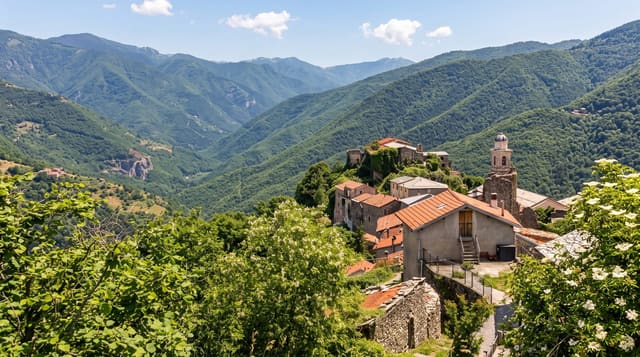
Kurama and Kibune
Two shrine villages in the hills north of Kyoto, joined by a forest path over the ridge between them.
Updated 14 October 2026
Kurama and Kibune sit on either side of a wooded ridge about half an hour north of Kyoto by a small electric railway, and the standard way to do them is to arrive at one, walk over, and leave from the other - about an hour and a half through cedar forest past the tangled surface roots on the Kurama-dera trail, which are exposed by the thin soil and are the walk's best-known feature. Kurama-dera, founded in 770, sits on the slope with a mountain-temple atmosphere and a legend attaching the tengu to these woods; Kibune Shrine, on the other side, is dedicated to the god of water and is approached up a stone stair between vermilion lanterns. In summer the restaurants at Kibune build kawadoko - platforms out over the stream, so you eat with the water running directly underneath, several degrees cooler than the city. Kurama has a public onsen.
What you'll find
- The ridge walk - about ninety minutes through cedar over exposed root paths.
- Kurama-dera - a mountain temple founded in 770, with tengu legends attached.
- Kibune's lantern stair - the vermilion approach to the shrine of the water god.
- Kawadoko - summer dining platforms built out over the stream.
When to go
June to September for kawadoko; November for maples. A day.
Things to know
The walk is steep in places and slippery when wet. Kawadoko restaurants are expensive and require booking. Autumn weekends fill the small railway to standing. The villages are tiny and services close early.
Nearby
Kyoto city is south down the Eizan line; Ohara is east over the hills.
What to pack for Kurama and Kibune
Chosen from what this place is for. Tap a kit for the full checklist.
- Broken-in walking shoes or boots - Grip and ankle support matter more than looks; never hike in brand-new boots. Find on Amazon
- Modest clothing - Shoulders and knees covered - the single most common requirement. Find on Amazon
- Swimwear - Needed at most public thermal pools; some traditional baths are nude and single-sex. Find on Amazon
- Layers + a waterproof shell - Mountain weather turns fast; a packable rain jacket saves the day. Find on Amazon
Some links on this page are Amazon affiliate links - if you buy through them we may earn a small commission at no extra cost to you.
All packing kitsPlan your trip
Where to start if Kurama and Kibune is going on the list.
Booking links on this page are affiliate links - if you book through them we may earn a small commission at no extra cost to you. It never changes what we write about a place.
Opening times, ticket prices and seasonal closures change - check the official source before you go: official site.