Blue and John Crow Mountains
Jamaica's first World Heritage site, listed for both its cloud forest and the Maroon communities who used it as a refuge and won their freedom from it.
Updated 12 October 2026
AI illustration
UNESCO World Heritage
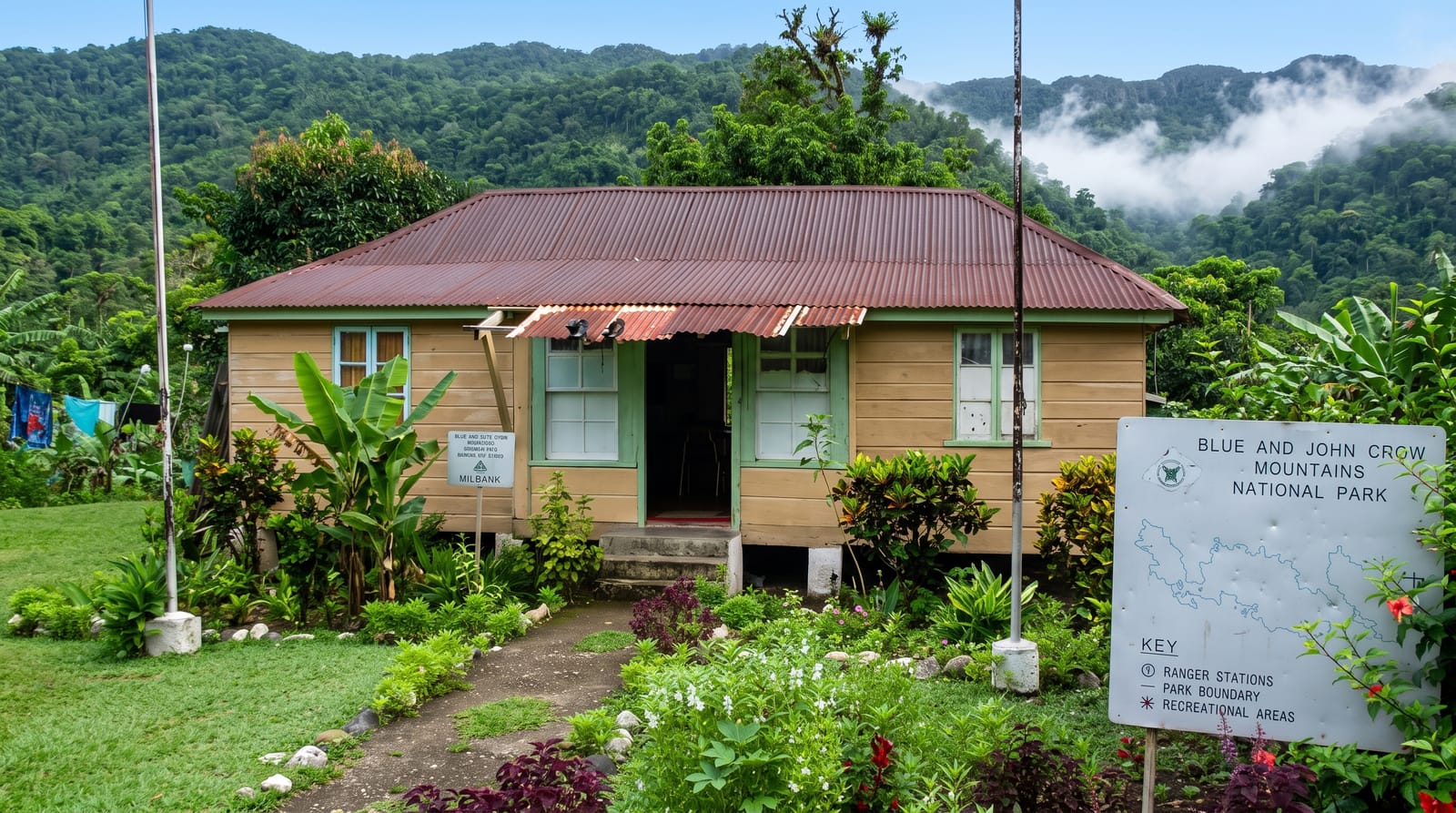
Real photos (1)
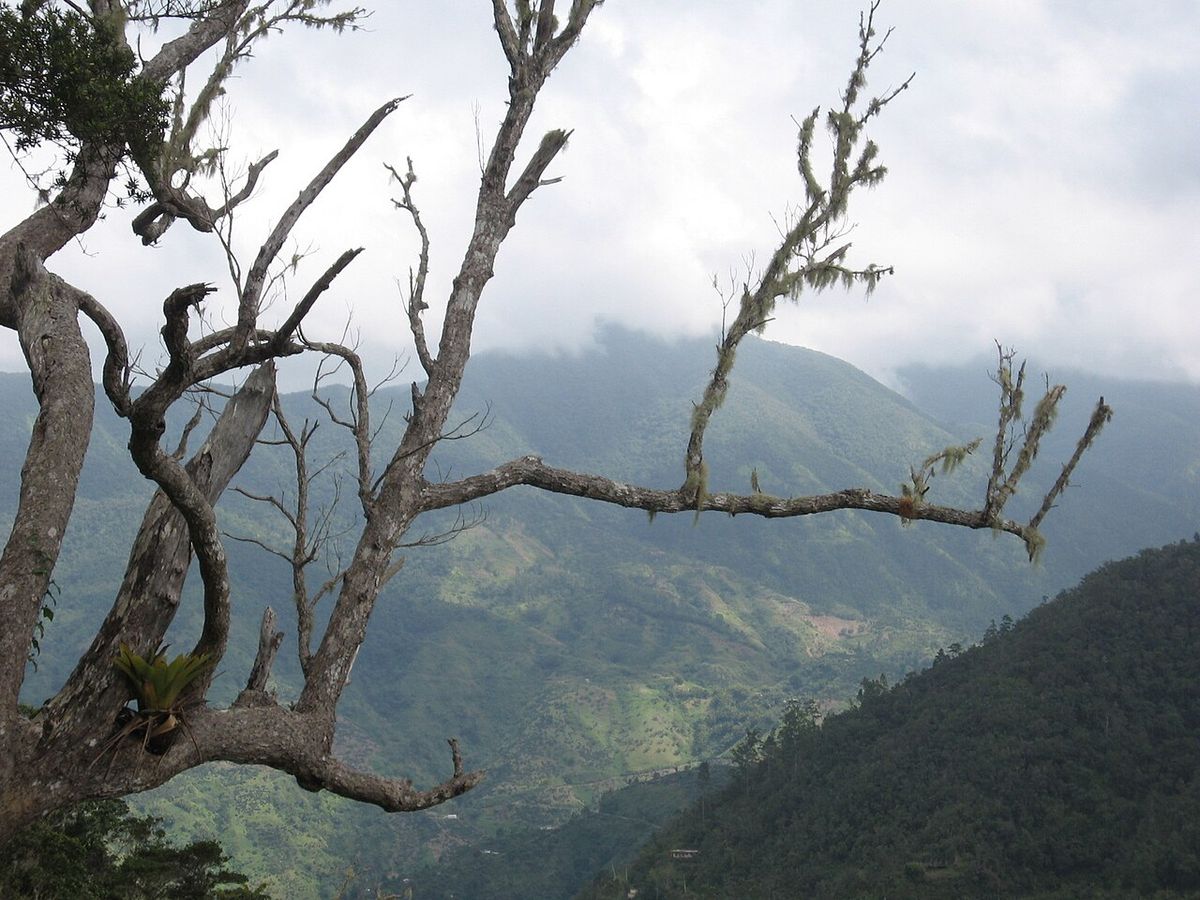
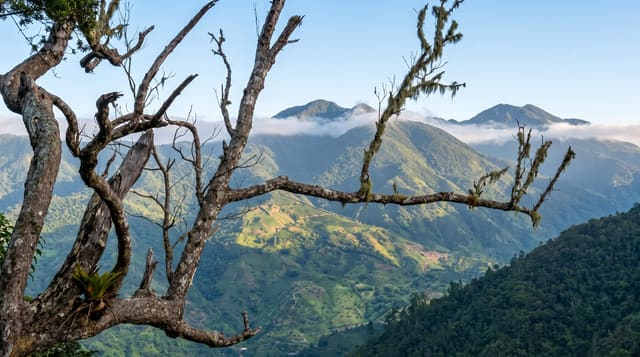
Inscribed in 2015 as Jamaica's first World Heritage site, and inscribed twice over: for nature and for culture together. The nature is a mountain rainforest running up to well over two thousand metres, extraordinarily rich in species found nowhere else, with hundreds of endemic plants, the giant swallowtail butterfly that is the largest in the Americas, and a permanently wet cloud forest of stunted moss-hung trees on the ridges. The culture is the Windward Maroons, communities formed by people who escaped enslavement and used this almost impenetrable terrain to fight the British to a standstill, signing a treaty in 1739 that recognised their freedom and their land. Their descendants live here still.
What's there
- The cloud forest - moss-hung stunted trees on the high ridges.
- Endemic species - hundreds of plants and the giant swallowtail butterfly.
- Maroon settlements - Moore Town, Charles Town and the Nanny Town country.
- The trails - from Section and Hollywell into the forest.
When to go
December to April is the drier season, though rain falls in the mountains most days regardless and the ridges are usually in cloud by mid-morning. Early starts are essential for views. The Maroon settlements hold their own commemorations, most significantly in January and October.
What to expect
Access is genuinely difficult: the roads are steep, potholed and often washed out, and much of the park has no marked trail at all. The cloud forest is wet, cold and slippery. Visiting Maroon communities should be arranged through them rather than turning up, and there are areas they consider theirs to control access to, which visitors should respect.
Nearby
Kingston is an hour from the western access; Port Antonio serves the northern side.
Key facts
Source: Wikidata, item Q4930049, read on 18 October 2026.
What to pack for Blue and John Crow Mountains
Chosen from what this place is for. Tap a kit for the full checklist.
- Broken-in walking shoes or boots - Grip and ankle support matter more than looks; never hike in brand-new boots. Find on Amazon
- Binoculars - The single best wildlife tool - even a compact pair transforms a sighting. Find on Amazon
- Strong insect repellent - DEET or picaridin; the jungle is where bites and disease risk are highest. Find on Amazon
- Layers + a waterproof shell - Mountain weather turns fast; a packable rain jacket saves the day. Find on Amazon
Some links on this page are Amazon affiliate links - if you buy through them we may earn a small commission at no extra cost to you.
All packing kitsPlan your trip
Where to start if Blue and John Crow Mountains is going on the list.
Booking links on this page are affiliate links - if you book through them we may earn a small commission at no extra cost to you. It never changes what we write about a place.
Opening times, ticket prices and seasonal closures change - check the official source before you go: official site.