The Verona Arena
A Roman amphitheatre of the first century still in weekly use, staging opera to fifteen thousand people on summer nights.
Updated 18 October 2026
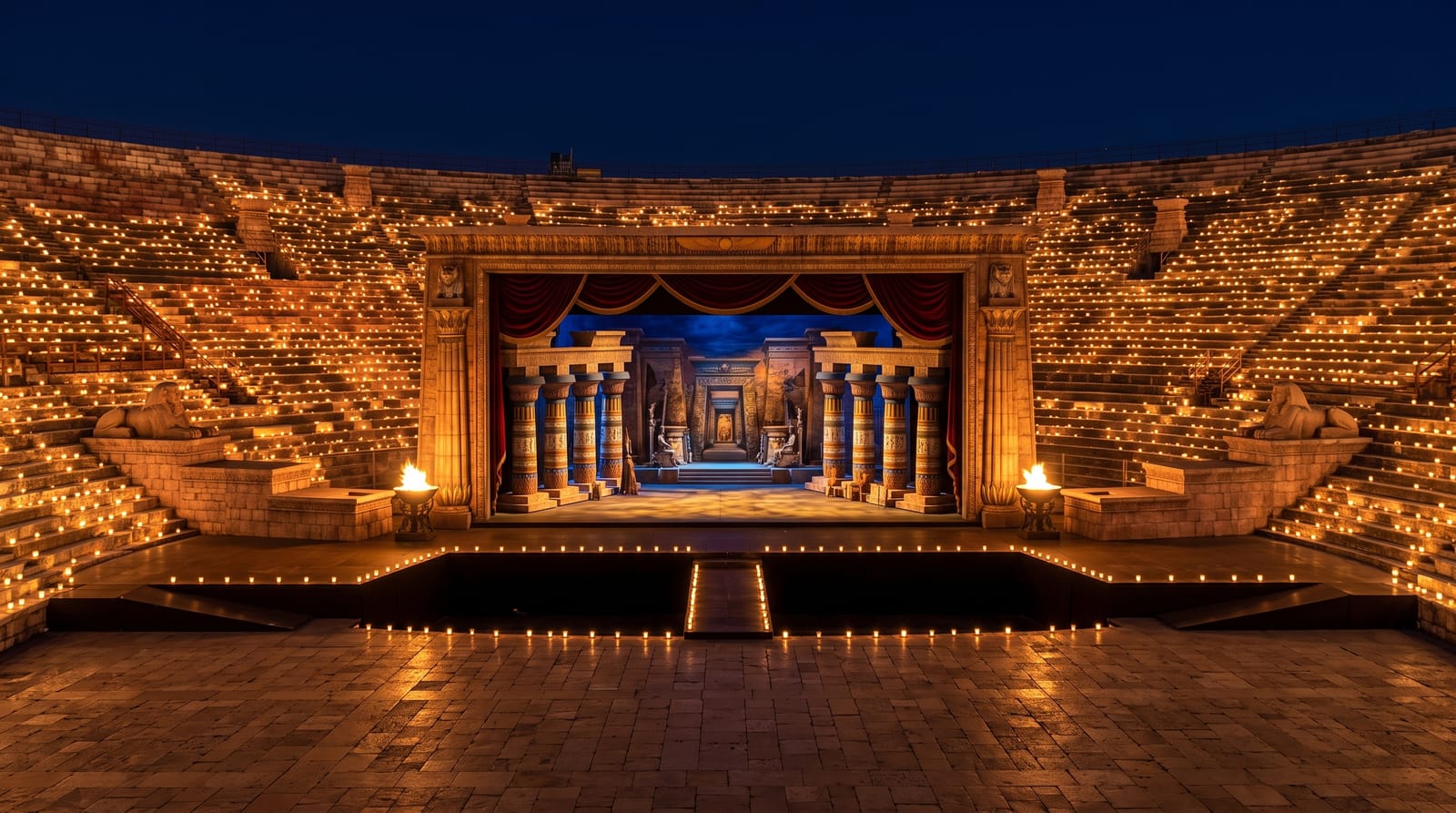
AI illustration
UNESCO World Heritage
The arena was built around the year thirty, before the Colosseum, and it is the third largest Roman amphitheatre still standing, but the thing that separates it from the others is that it never stopped being used. An earthquake in 1117 took most of the outer ring, leaving four arches of it standing at one end, and the inner structure survived intact. Since 1913 it has staged opera through the summer, with sets too large for any indoor house and an audience of around fifteen thousand on the stone steps. Candles are handed out and lit before the overture, which is a small thing that works.
History
No written source records when the amphitheatre was built, and proposals range from the 1st century to the 3rd; comparison with the amphitheatre of Pula and a carved gladiator's helmet of a type that appeared around 10-20 AD point to a date between the late reign of Augustus and the reign of Claudius, and it certainly stood by 69, when Vespasian, fortifying Verona in the war with Vitellius, found it outside the walls. The end of gladiatorial games and neglect led to its abandonment, and it was further damaged by the Adige flood of 589 and the earthquakes of 1116 and of 3 January 1117; systematic restoration from the 16th century is why it is so well preserved today. Circus shows were the great draw in the early 1900s until a performance of Aida in 1913 launched the Arena di Verona Festival, which has run every summer since except in wartime, and in 2026 the arena hosted the closing ceremony of the Winter Olympics (Wikipedia, Verona Arena).
The main sights
- The stone tiers - the original seating, still sat on by the audience.
- The Ala - the four surviving arches of the collapsed outer ring.
- Summer opera - since 1913, with sets built for the open air.
- The candlelight - lit across the audience before the first note.
When to go
The opera season runs from June to early September, with the big productions repeated across it. Book months ahead for the numbered seats; the unreserved stone steps go on sale on the day and are cheap. Outside the season the arena is open as a monument.
What to expect
The cheap seats are unnumbered stone with no back, and by the third hour that matters; hire a cushion. Performances start after nightfall and finish very late. Rain stops the show and refunds are partial. Verona in high summer is extremely hot and the piazza around the arena is a solid mass of people.
Nearby
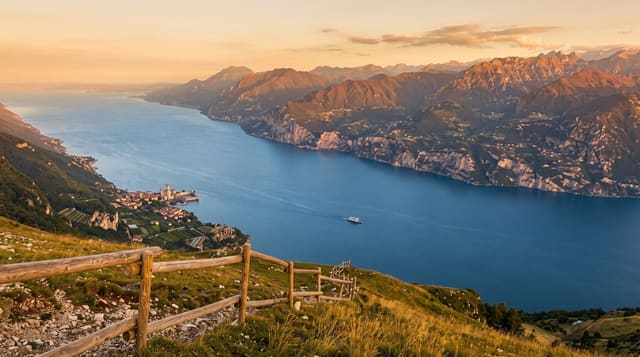
Verona's centre is around it; Lake Garda is half an hour west.
Key facts
Source: Wikidata, item Q641556, read on 18 October 2026.
What to pack for The Verona Arena
Chosen from what this place is for. Tap a kit for the full checklist.
- Comfortable walking shoes - Sightseeing means kilometres of pavement and cobbles daily. Find on Amazon
- A slim anti-theft daypack - Zips that close properly; keep it in front in crowds and on transit. Find on Amazon
- A refillable water bottle - Many cities have public fountains; save money and plastic. Find on Amazon
- A light layer + compact umbrella - For museum air-con and a sudden shower. Find on Amazon
Some links on this page are Amazon affiliate links - if you buy through them we may earn a small commission at no extra cost to you.
All packing kitsPlan your trip
Where to start if The Verona Arena is going on the list.
Booking links on this page are affiliate links - if you book through them we may earn a small commission at no extra cost to you. It never changes what we write about a place.
Opening times, ticket prices and seasonal closures change - check the official source before you go: official site.