Sirmione
A castle with its own fortified harbour at the neck of a long peninsula, with a Roman villa at the tip.
Updated 19 October 2026
AI illustration
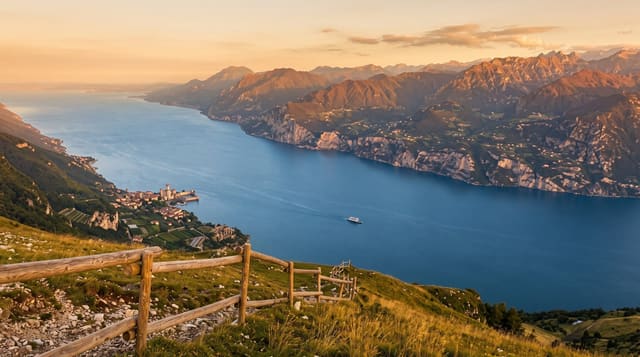
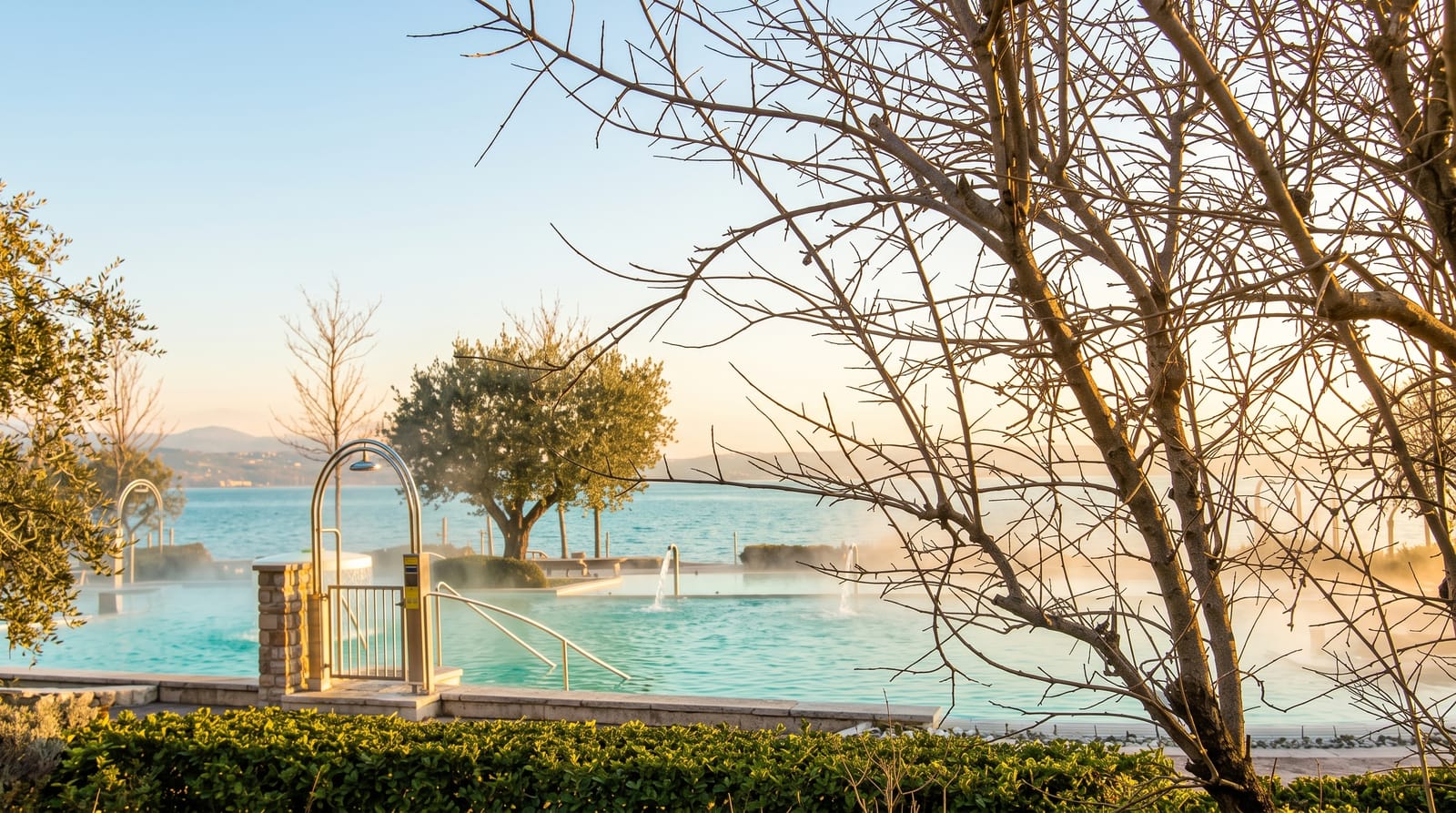
Sirmione sits on a peninsula running four kilometres into Lake Garda, and the Scaliger castle of the thirteenth century stands at the neck, entered over a drawbridge, with a walled dock enclosing a harbour for the fleet, one of few surviving fortified lake harbours. At the far tip stand the Grotte di Catullo, the ruins of a large Roman villa of the first century spread over two hectares among olive trees, the largest in northern Italy; the name is traditional and the link to the poet Catullus, who did write about Sirmio, is not proven. Thermal sulphur springs rise offshore and feed the town's spas.
History
People lived here from the 6th to 5th millennia BC, and pile-dwelling villages stood here in the 3rd and 2nd millennia BC. From the 1st century BC the Garda became a favourite resort of rich families from Verona, and the poet Catullus praised the place and wrote of a villa he had here; in the last years of the Lombard kingdom Ansa, wife of King Desiderius, founded a monastery and a church in the town (Wikipedia, Sirmione).
Highlights
- The Scaliger castle - a moated fortress with a walled fleet harbour.
- The Grotte di Catullo - a two-hectare Roman villa ruin at the point.
- The peninsula - four kilometres of land running into the lake.
- The thermal springs - sulphur water rising offshore and piped to spas.
When to go
April to June and September; July and August are extremely crowded and cars are restricted at the neck. The Roman villa closes Mondays.
What to expect
Summer crowding is severe on a narrow peninsula with one road in. The old town is largely souvenir shops. The villa is a ruin with foundations rather than standing rooms.
Nearby
Desenzano lies west; Verona is southeast.
Key facts
Source: Wikidata, item Q112019, read on 18 October 2026.
What to pack for Sirmione
Chosen from what this place is for. Tap a kit for the full checklist.
- Comfortable walking shoes - Sightseeing means kilometres of pavement and cobbles daily. Find on Amazon
- Modest clothing - Shoulders and knees covered - the single most common requirement. Find on Amazon
- Swimwear - Needed at most public thermal pools; some traditional baths are nude and single-sex. Find on Amazon
- A slim anti-theft daypack - Zips that close properly; keep it in front in crowds and on transit. Find on Amazon
Some links on this page are Amazon affiliate links - if you buy through them we may earn a small commission at no extra cost to you.
All packing kitsPlan your trip
Where to start if Sirmione is going on the list.
Booking links on this page are affiliate links - if you book through them we may earn a small commission at no extra cost to you. It never changes what we write about a place.
Opening times, ticket prices and seasonal closures change - check the official source before you go: official site.