Val Camonica Rock Art
Around 140,000 figures pecked into valley rock over eight thousand years, Italy's first UNESCO site.
Updated 14 October 2026
AI illustration
UNESCO World Heritage
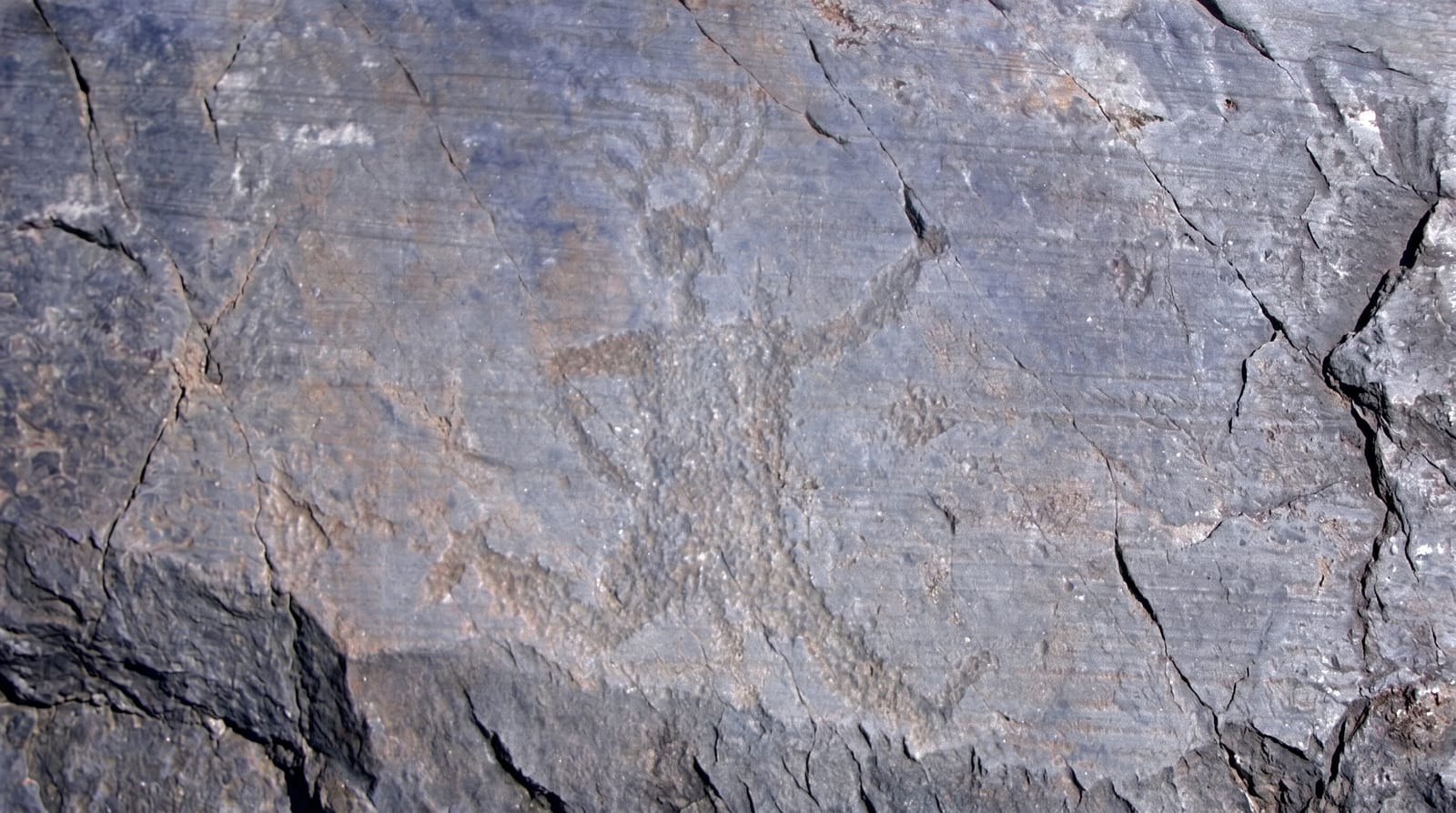
Glaciers left smooth sandstone surfaces along this valley, and people carved on them from roughly the eighth millennium BC into Roman times, producing an estimated one hundred and forty thousand figures across hundreds of sites: hunting scenes, ploughing, huts, wagons, weapons, praying figures with raised arms, duels and a compass-drawn rose. The rock was pecked with harder stone or metal points, and figures overlap across millennia on the same surface. It became Italy's first UNESCO World Heritage site in 1979. Several separate archaeological parks cover different sections, with Naquane at Capo di Ponte the largest.
What you'll find
- The Naquane park - the largest concentration of carved surfaces.
- The overlapping figures - millennia of carving on the same rock.
- The praying figures - raised-arm human forms repeated across the valley.
- The scenes - hunting, ploughing, wagons, duels and buildings.
When to go
April to October; carvings show best in low raking light, morning or late afternoon, and are hard to see at midday. Rain makes the rock slippery.
Good to know
Carvings are shallow and can be difficult to make out in flat light. Sites are scattered across several parks with separate tickets. Paths are uneven.
Nearby
Lake Iseo lies south; the Stelvio park is north.
What to pack for Val Camonica Rock Art
Chosen from what this place is for. Tap a kit for the full checklist.
- Warm base layers - Merino or synthetic against the skin - never cotton, which chills when damp. Find on Amazon
- Comfortable walking shoes - Sightseeing means kilometres of pavement and cobbles daily. Find on Amazon
- Shelter suited to the place - Tent, tarp or hut booking - match it to the terrain and rules. Find on Amazon
- An insulated + windproof jacket - A down or synthetic layer under a hard shell handles most cold. Find on Amazon
Some links on this page are Amazon affiliate links - if you buy through them we may earn a small commission at no extra cost to you.
All packing kitsPlan your trip
Where to start if Val Camonica Rock Art is going on the list.
Booking links on this page are affiliate links - if you book through them we may earn a small commission at no extra cost to you. It never changes what we write about a place.
Opening times, ticket prices and seasonal closures change - check the official source before you go: official site.