Palatine Chapel
A royal chapel with Byzantine mosaics under an Islamic honeycomb ceiling, built for a Norman king.
Updated 19 October 2026

AI illustration
UNESCO World Heritage
Roger II had this chapel built inside his palace from 1132, and it combines three traditions without apology: a basilica plan with Byzantine mosaics on gold, an inlaid marble floor and pulpit in the Italian manner, and a muqarnas ceiling of painted wood in the Fatimid Islamic style, its honeycomb cells carrying hunting scenes, dancers, drinkers and inscriptions in Arabic. Craftsmen of all three cultures worked on it together, which is what the Arab-Norman listing of 2015 recognises. The chapel is small, and the effect comes from covering every surface. The palace above remains the seat of the Sicilian regional assembly.
What to look for
- The muqarnas ceiling - a painted Islamic honeycomb over a Christian chapel.
- The Byzantine mosaics - gold-ground scenes across walls and apse.
- The inlaid floor - marble and porphyry work in the Cosmatesque manner.
- The three traditions - Norman, Byzantine and Islamic in one room.
When to go
Year-round; access is restricted when the regional assembly sits, usually mid-week, so check opening days. Timed tickets are used and sell out in season.
What to expect
The chapel closes on assembly days without much warning. Visits are timed and busy. The ceiling detail is high up and hard to see without binoculars.
Nearby
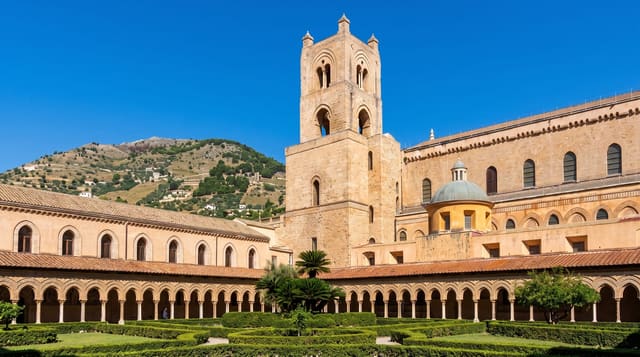
Monreale lies above the city; the cathedral is close.
Key facts
Source: Wikidata, item Q1034853, read on 18 October 2026.
What to pack for Palatine Chapel
Chosen from what this place is for. Tap a kit for the full checklist.
- Comfortable walking shoes - Sightseeing means kilometres of pavement and cobbles daily. Find on Amazon
- Modest clothing - Shoulders and knees covered - the single most common requirement. Find on Amazon
- A slim anti-theft daypack - Zips that close properly; keep it in front in crowds and on transit. Find on Amazon
- A scarf or shawl - To cover the head or shoulders on entry; women especially at mosques. Find on Amazon
Some links on this page are Amazon affiliate links - if you buy through them we may earn a small commission at no extra cost to you.
All packing kitsPlan your trip
Where to start if Palatine Chapel is going on the list.
Booking links on this page are affiliate links - if you book through them we may earn a small commission at no extra cost to you. It never changes what we write about a place.
Opening times, ticket prices and seasonal closures change - check the official source before you go: official site.