Naples Underground
Quarries that became aqueducts, then wartime shelters, forty metres under the streets of the old city.
Updated 12 October 2026
AI illustration
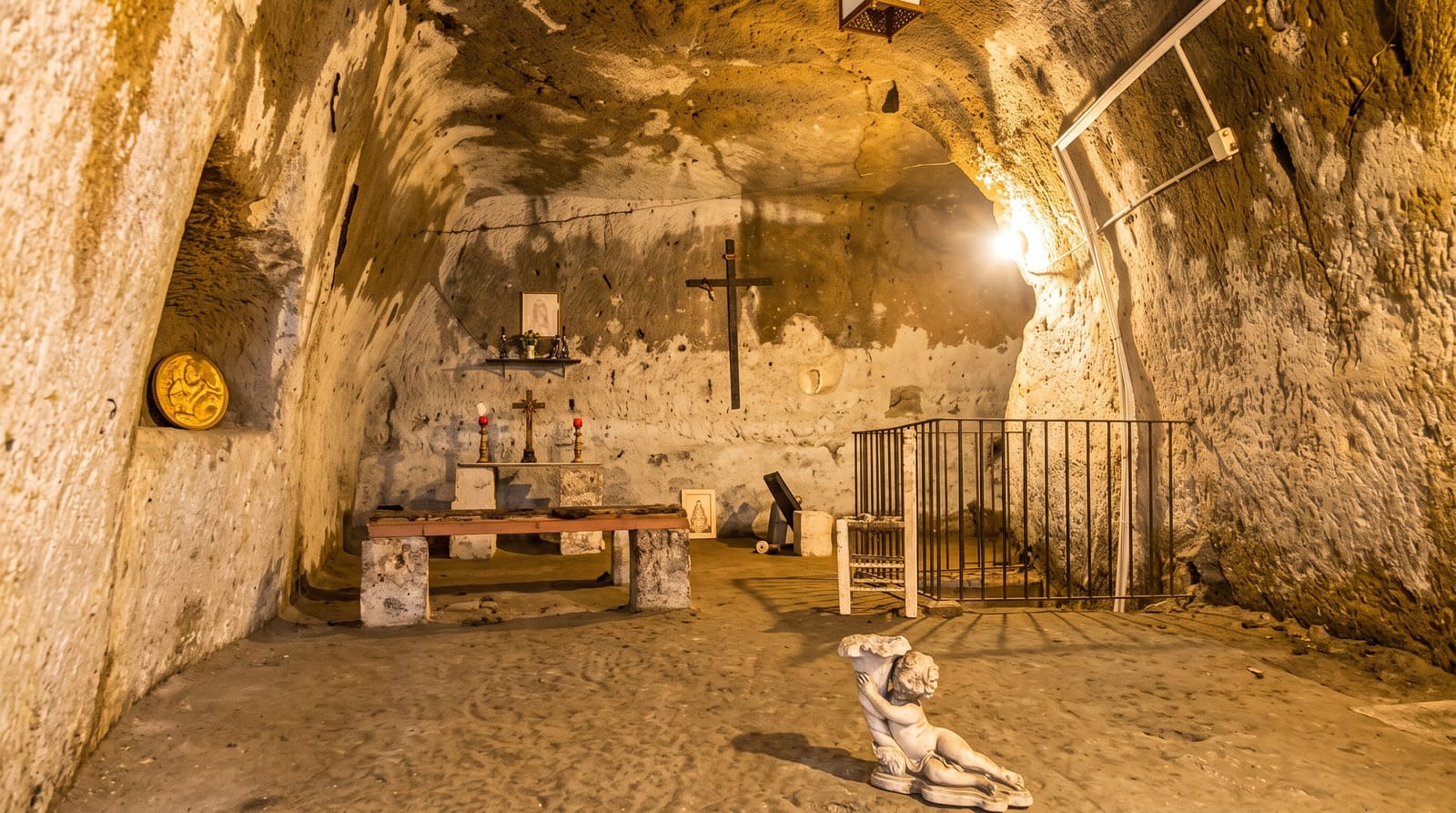
The Greeks quarried tuff from beneath the city to build it, leaving cavities that the Romans linked into an aqueduct system with cisterns under most buildings, supplied by wells that householders used until a cholera outbreak in the nineteenth century closed them. During the Second World War the cisterns were converted into air raid shelters, and objects left by the people who sheltered there remain in place. Tours descend about forty metres by stairs and pass through narrow connecting passages, some so tight they are crossed sideways by candlelight. A Roman theatre where Nero is said to have performed sits under houses nearby.
What to look for
- The Greek quarries - cavities cut to build the city above.
- The Roman cisterns - aqueduct chambers under the old centre.
- The wartime shelter - objects left by those who sheltered below.
- The Roman theatre - a buried theatre reached through a house.
When to go
Year-round; it holds a constant cool temperature. Tours run at set times in several languages and book out on weekends. Allow about ninety minutes.
Practical notes
Some passages are extremely narrow and crossed sideways, which rules the full route out for many. There are many stairs and no lift. Entry is guided only.
Nearby
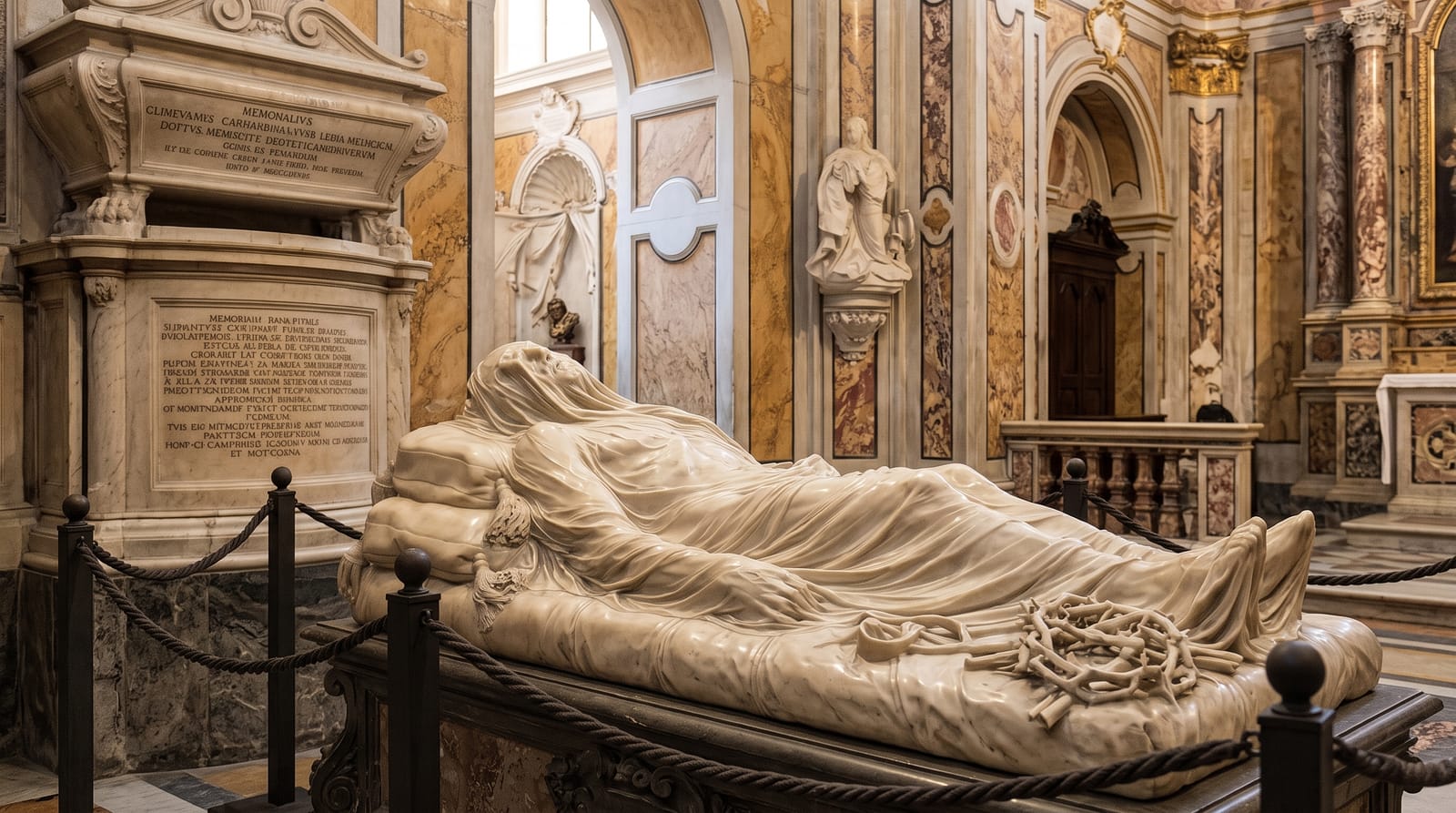
Spaccanapoli is above; the Sansevero Chapel is close.
Key facts
Source: Wikidata, item Q721189, read on 18 October 2026.
What to pack for Naples Underground
Chosen from what this place is for. Tap a kit for the full checklist.
- Comfortable walking shoes - Sightseeing means kilometres of pavement and cobbles daily. Find on Amazon
- A slim anti-theft daypack - Zips that close properly; keep it in front in crowds and on transit. Find on Amazon
- A refillable water bottle - Many cities have public fountains; save money and plastic. Find on Amazon
- A light layer + compact umbrella - For museum air-con and a sudden shower. Find on Amazon
Some links on this page are Amazon affiliate links - if you buy through them we may earn a small commission at no extra cost to you.
All packing kitsPlan your trip
Where to start if Naples Underground is going on the list.
Booking links on this page are affiliate links - if you book through them we may earn a small commission at no extra cost to you. It never changes what we write about a place.
Opening times, ticket prices and seasonal closures change - check the official source before you go: official site.