Montecatini Terme
A spa town of marble drinking halls, where the water was taken by the glass rather than bathed in.
Updated 18 October 2026
AI illustration
UNESCO World Heritage
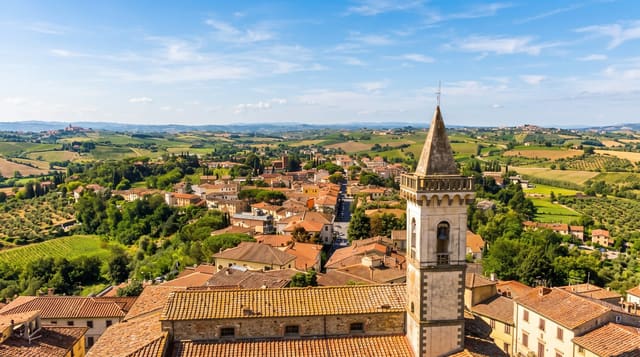
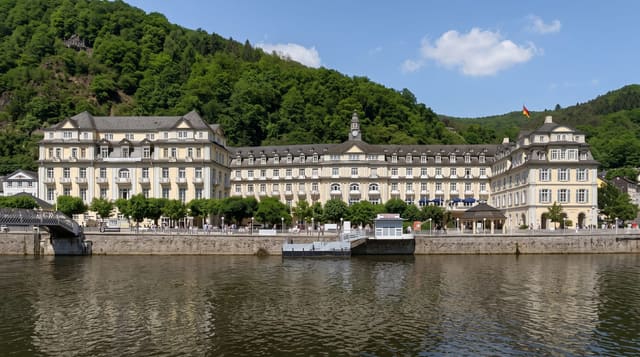
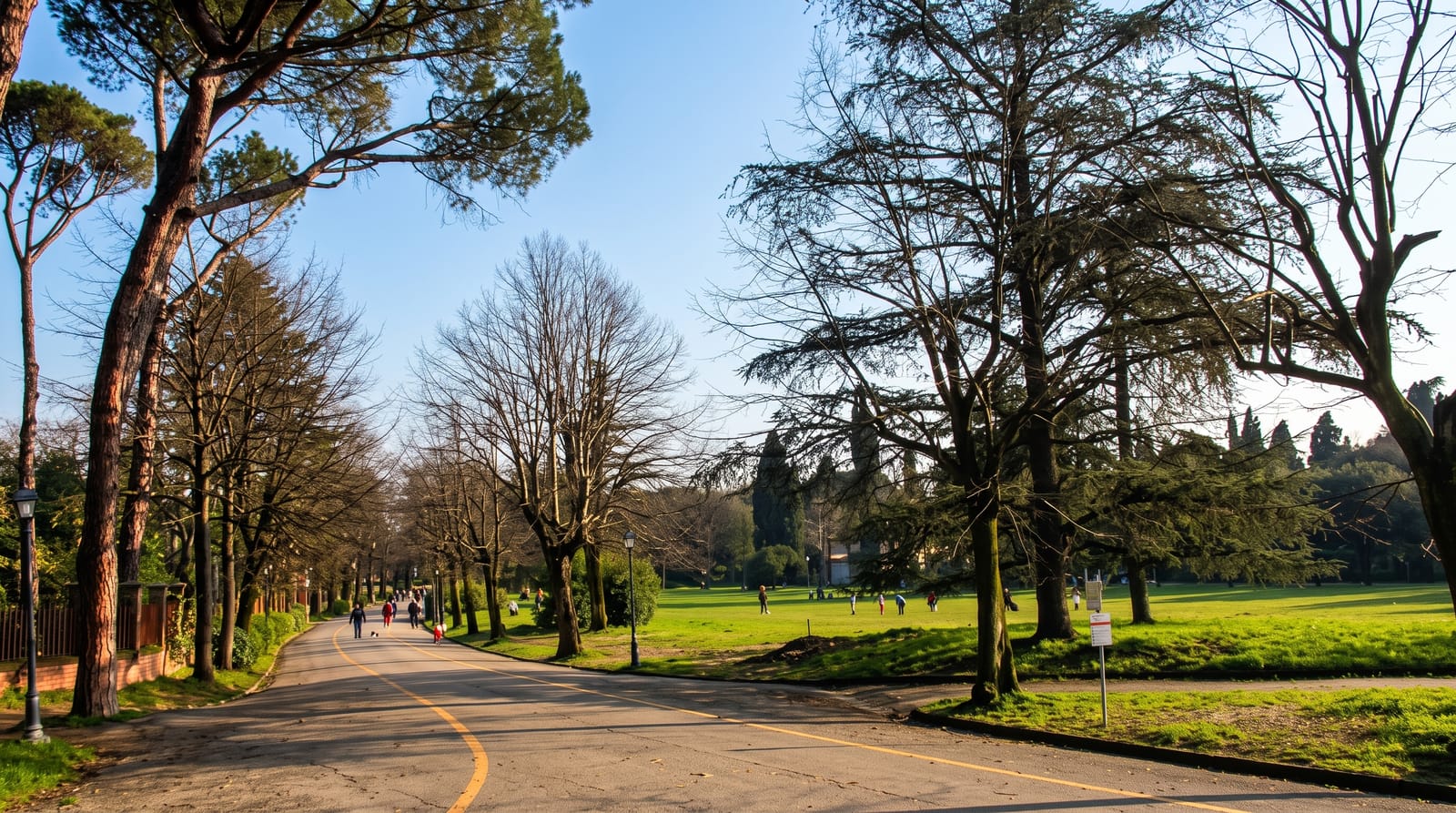
The springs were developed under Grand Duke Pietro Leopoldo in the 1770s and the town was rebuilt in the early twentieth century in a grand Liberty and neoclassical manner, with the Tettuccio establishment of 1928 as its centrepiece: a colonnaded hall with marble counters where different waters were dispensed by name, ceramic panels, painted ceilings and gardens. The waters here were drunk on prescription for digestive complaints rather than bathed in, which is why the buildings are halls rather than pools. Montecatini was included in the UNESCO listing of Great Spa Towns of Europe in 2021. A funicular climbs to the old hill village of Montecatini Alto.
History
Thermal springs here were known at least since Roman times, and medieval Montecatini, today's Montecatini Alto, already had baths: a document of 1340 mentions salt drawn from the water, and the doctor Ugolino of Montecatini, the first to study the waters scientifically, described three baths, the Bagno della Regina, the Bagno dei Merli and the Bagno Nuovo, now the Tettuccio. The marshy plain bred malaria, and wars between Florence, Pisa and Lucca made the town a frequent battlefield; Florence conquered the Valdinievole in 1339 and in 1447 paid towards repairing the baths. The spa's real story began with Pietro Leopoldo, Grand Duke of Tuscany from 1765, who came several times to oversee the works. Montecatini Alto and Bagni di Montecatini became separate municipalities on 16 June 1905, Giovannozzi restored the Leopoldine and Tettuccio baths between 1919 and 1928, and in 2021 the town joined the Great Spa Towns of Europe World Heritage Site (Wikipedia, Montecatini Terme).
What's there
- The Tettuccio - a marble drinking hall with painted ceilings and gardens.
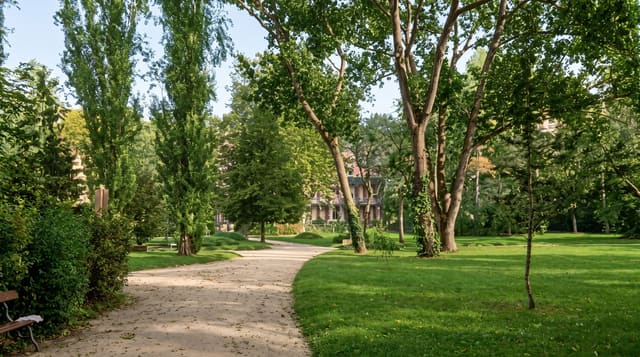
- The Liberty architecture - early twentieth-century spa buildings in a park.
- The funicular - a 1898 line climbing to the old hill village.
- The UNESCO listing - one of the Great Spa Towns of Europe.
When to go
April to October; the drinking halls operate seasonally and some open only in the warmer months. Concerts are held in the park in summer.
Before you go
Several historic establishments are closed or only partly restored, and opening varies year to year. The modern town is ordinary. Treatments are separately priced.
Nearby
Pistoia lies east; Lucca is west.
Key facts
Source: Wikidata, item Q49605, read on 18 October 2026.
What to pack for Montecatini Terme
Chosen from what this place is for. Tap a kit for the full checklist.
- Comfortable walking shoes - Sightseeing means kilometres of pavement and cobbles daily. Find on Amazon
- Swimwear - Needed at most public thermal pools; some traditional baths are nude and single-sex. Find on Amazon
- A slim anti-theft daypack - Zips that close properly; keep it in front in crowds and on transit. Find on Amazon
- Quick-dry towel + flip-flops - For wet changing areas and hot poolside stone. Find on Amazon
Some links on this page are Amazon affiliate links - if you buy through them we may earn a small commission at no extra cost to you.
All packing kitsPlan your trip
Where to start if Montecatini Terme is going on the list.
Booking links on this page are affiliate links - if you book through them we may earn a small commission at no extra cost to you. It never changes what we write about a place.
Opening times, ticket prices and seasonal closures change - check the official source before you go: official site.