Ascoli Piceno
A city built almost entirely of travertine, with a square of pale stone and a stuffed fried olive of its own.
Updated 19 October 2026
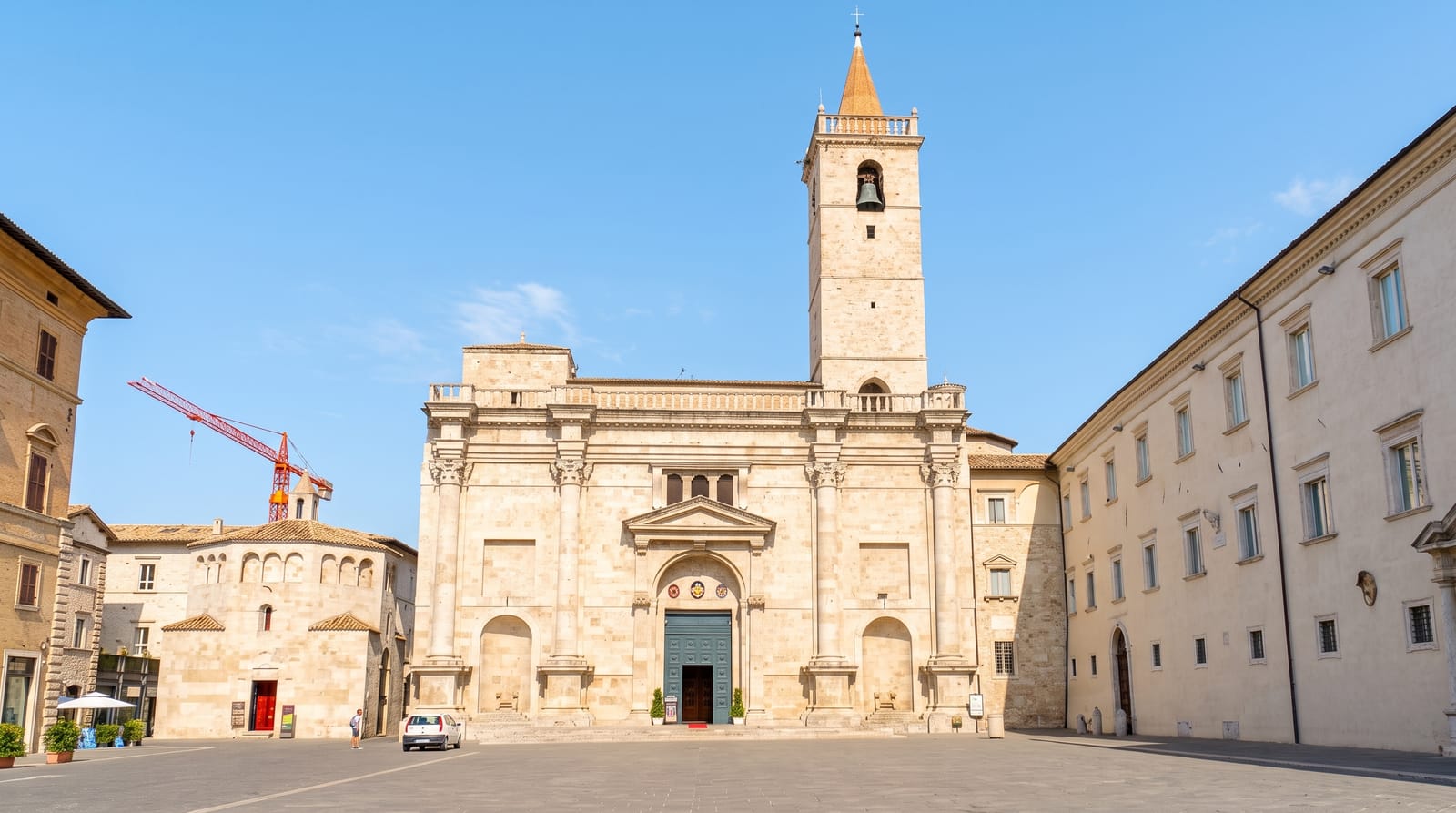
AI illustration
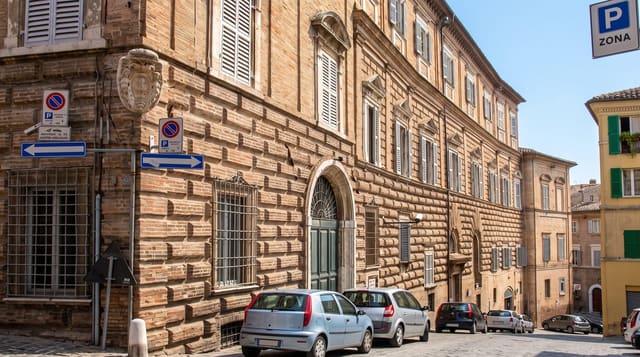
Ascoli lies between two rivers and is built from local travertine, so streets, palaces, churches and paving are all the same pale stone. Piazza del Popolo is closed on three sides by a Renaissance loggia and faced by the Gothic church of San Francesco and the Palazzo dei Capitani, with the Caffè Meletti of 1907 in a corner. The olive all'ascolana is a large local green olive, pitted, stuffed with a mixture of meats, breaded and deep fried, made here for around two centuries. The Quintana, a jousting contest in fifteenth-century costume between the city's six sestieri, runs twice each summer.
History
Asculum was founded by the Italic Piceni and was originally a Sabine city. After its defeat by Rome in 268 BC it became a federated city with nominal independence, and it was later linked to Latium by the Via Salaria, the salt road (Wikipedia, Ascoli Piceno).
The main sights
- Piazza del Popolo - a travertine square enclosed by Renaissance loggias.
- The stuffed olives - the ascolana, a fried meat-filled olive of the city.
- The Quintana - a costumed joust between the six city districts.
- The travertine city - streets and buildings all in the same pale stone.
When to go
April to June and September to October; the Quintana is run in July and August. Carnival here is one of the liveliest in the region. Summer is hot inland.
Things to know
Quintana days close the centre and fill accommodation. The city is off the main tourist routes with fewer English services. Museums keep limited hours.
Nearby
The Sibillini rise west; the Adriatic coast is east.
Key facts
Source: Wikidata, item Q6624, read on 18 October 2026.
What to pack for Ascoli Piceno
Chosen from what this place is for. Tap a kit for the full checklist.
- Comfortable walking shoes - Sightseeing means kilometres of pavement and cobbles daily. Find on Amazon
- A slim anti-theft daypack - Zips that close properly; keep it in front in crowds and on transit. Find on Amazon
- A refillable water bottle - Many cities have public fountains; save money and plastic. Find on Amazon
- A light layer + compact umbrella - For museum air-con and a sudden shower. Find on Amazon
Some links on this page are Amazon affiliate links - if you buy through them we may earn a small commission at no extra cost to you.
All packing kitsPlan your trip
Where to start if Ascoli Piceno is going on the list.
Booking links on this page are affiliate links - if you book through them we may earn a small commission at no extra cost to you. It never changes what we write about a place.
Opening times, ticket prices and seasonal closures change - check the official source before you go: official site.