St Colman's Cathedral
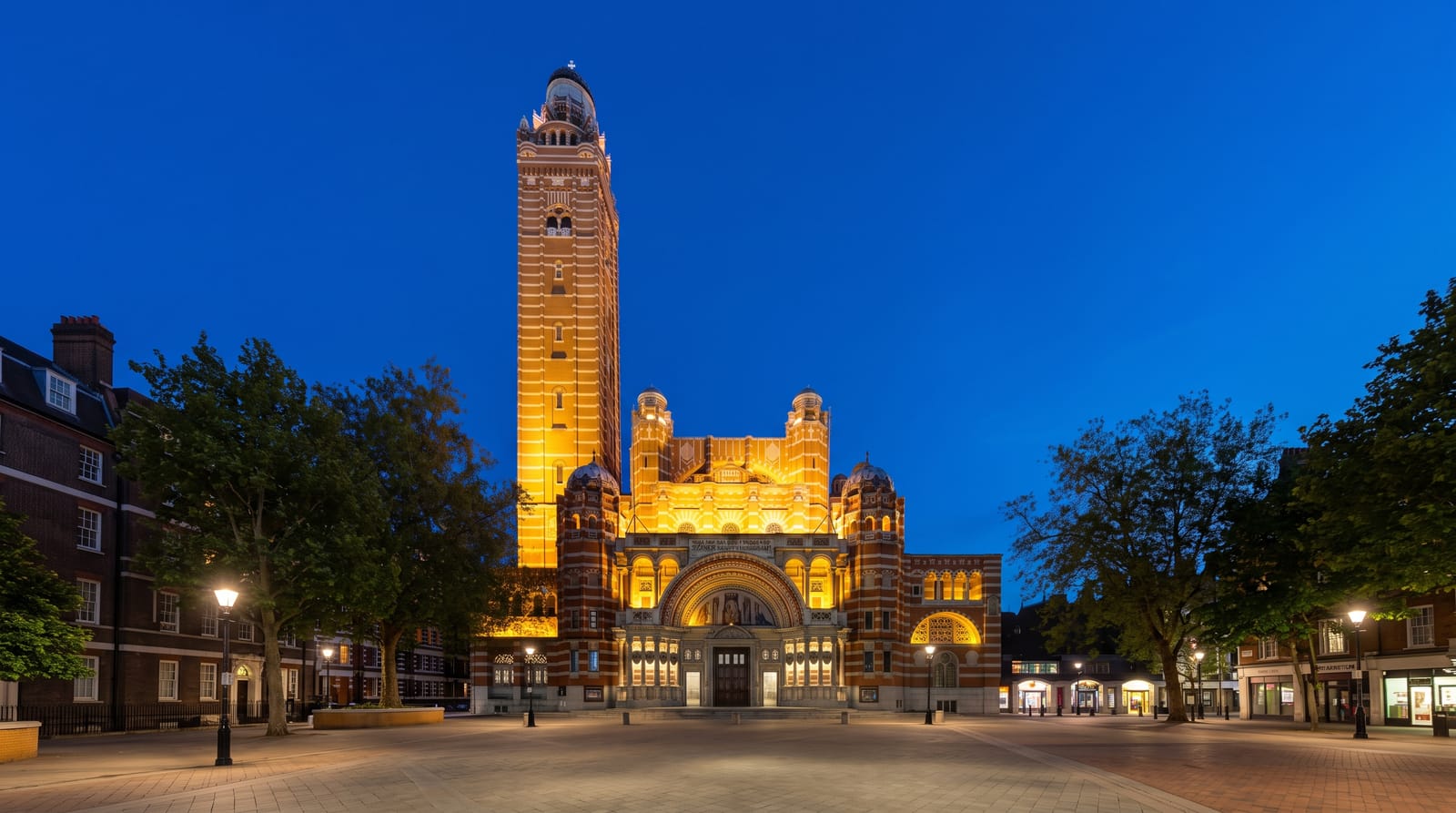
A French Gothic cathedral standing over Cobh harbour, with the largest carillon in Ireland and Britain in its spire.
Updated 19 October 2026
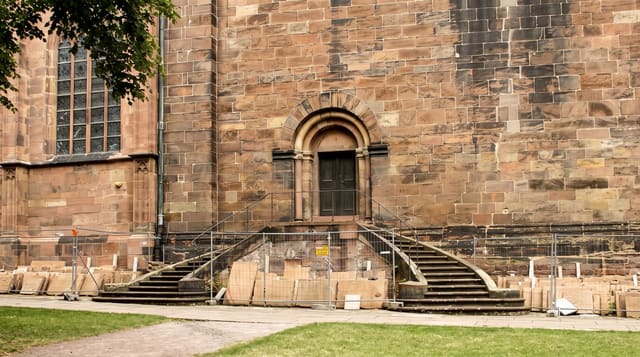
Saint Colman's took over fifty years to build, from 1868 to 1919, in Gothic Revival to designs by Pugin and Ashlin, in Dalkey granite with Mallow limestone dressings. It stands on the hill directly above Cobh harbour, and its 91-metre spire is the first thing visible approaching the town by water - which mattered, because Cobh was Queenstown until 1920 and the main emigration port for around two and a half million people leaving Ireland. It was also the last port of call of the Titanic in April 1912. The carillon in the tower has forty-nine bells and is the largest in Ireland or Britain, played from a keyboard rather than rung; recitals are given regularly and the sound carries across the harbour and the town. Inside, the nave is high and narrow in the French manner. Access from the waterfront is a steep climb up several flights of steps.
History
Construction began in 1868 and took over half a century because of rising costs and revisions to the original plans, and with its steeple of 91.4 metres it is the tallest church in Ireland (Wikipedia, St Colman's Cathedral, Cobh).
What you'll find
- The carillon - forty-nine bells, the largest in Ireland or Britain.
- The spire - ninety-one metres, visible from far out in the harbour.
- The French Gothic nave - high and narrow, by Pugin and Ashlin.
- The harbour view - Cobh and the water below the cathedral terrace.
When to go
Any season; indoors. Carillon recitals are given at set times and are the best reason to time a visit. Services limit access at times.
What to expect
The climb from the waterfront is steep, up several flights of steps. It is an active parish cathedral, so services close it periodically. Free with donations requested; the tower is not open to visitors.
Nearby
The Cobh Heritage Centre and the Titanic Experience are on the waterfront below.
Key facts
Source: Wikidata, item Q1548801, read on 18 October 2026.
What to pack for St Colman's Cathedral
Chosen from what this place is for. Tap a kit for the full checklist.
- Broken-in walking shoes or boots - Grip and ankle support matter more than looks; never hike in brand-new boots. Find on Amazon
- Comfortable walking shoes - Sightseeing means kilometres of pavement and cobbles daily. Find on Amazon
- Modest clothing - Shoulders and knees covered - the single most common requirement. Find on Amazon
- Layers + a waterproof shell - Mountain weather turns fast; a packable rain jacket saves the day. Find on Amazon
Some links on this page are Amazon affiliate links - if you buy through them we may earn a small commission at no extra cost to you.
All packing kitsPlan your trip
Where to start if St Colman's Cathedral is going on the list.
Booking links on this page are affiliate links - if you book through them we may earn a small commission at no extra cost to you. It never changes what we write about a place.
Opening times, ticket prices and seasonal closures change - check the official source before you go: official site.