Wadi al-Salam Cemetery
A city of tombs stretching for kilometres beside Najaf, in continuous use for well over a thousand years.
Updated 19 October 2026
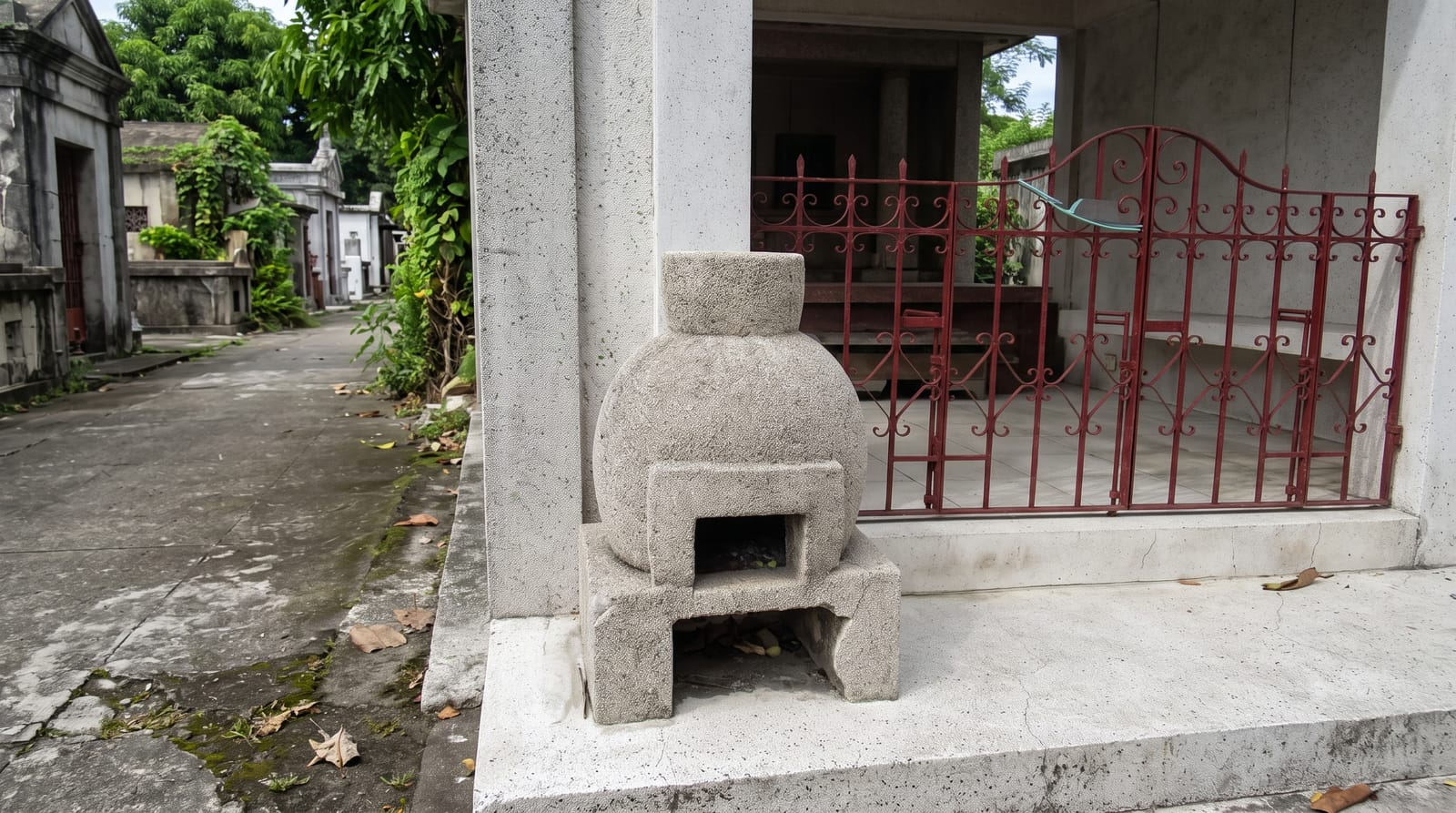
Wadi al-Salam, the valley of peace, spreads north from the Imam Ali shrine over an area of several square kilometres and is generally described as the largest cemetery in the world, holding millions of burials accumulated over more than fourteen centuries because of the belief that burial near Ali is of particular merit; bodies have been brought here from across the Shia world. What it looks like is a city: brick vaults and domed family tombs built above ground in rows, lanes running between them wide enough for vehicles, some structures several rooms deep with stairs down to burial chambers used by the same family for generations. Gravediggers and tomb builders work here as a trade passed down. Prophets including Hud and Salih are traditionally said to be buried in it.
History
Burials here have gone on daily for over 1,400 years, and burials in Najaf are documented as early as the Parthian and Sassanid eras; the place was once a holy cemetery for Jews called Baniqia, perhaps its first recorded name, and some texts say Abraham stayed in the village on his way from Mesopotamia to the Levant. The cemetery covers about 601 hectares, holds more than 6 million bodies and is on UNESCO's tentative list (Wikipedia, Wadi-us-Salaam).
What's there
- Above-ground vaults - brick tomb chambers built in rows like streets.
- Family mausolea - domed structures used across many generations.
- The scale - burials running to the horizon from the shrine.
- Working gravediggers - the trades that maintain and extend the cemetery.
When to go
November to March; there is no shade at all and summer is dangerous. Mornings are best. Funerals arrive throughout the day and take precedence over any visit.
Good to know
This is an active burial ground, not a monument: funerals are constant and photography of them is inappropriate. It is easy to become disoriented among the lanes. There is no shade, no water and no facilities. A local guide is genuinely useful.
Nearby
The Imam Ali shrine lies south; Kufa is northeast.
Key facts
Source: Wikidata, item Q1909993, read on 18 October 2026.
What to pack for Wadi al-Salam Cemetery
Chosen from what this place is for. Tap a kit for the full checklist.
- Comfortable walking shoes - Sightseeing means kilometres of pavement and cobbles daily. Find on Amazon
- Modest clothing - Shoulders and knees covered - the single most common requirement. Find on Amazon
- A slim anti-theft daypack - Zips that close properly; keep it in front in crowds and on transit. Find on Amazon
- A scarf or shawl - To cover the head or shoulders on entry; women especially at mosques. Find on Amazon
Some links on this page are Amazon affiliate links - if you buy through them we may earn a small commission at no extra cost to you.
All packing kitsPlan your trip
Where to start if Wadi al-Salam Cemetery is going on the list.
Booking links on this page are affiliate links - if you book through them we may earn a small commission at no extra cost to you. It never changes what we write about a place.
Opening times, ticket prices and seasonal closures change - check the official source before you go: official site.