St. Stepanos Monastery
An Armenian monastery in a gorge above the Aras river, with carved stone reliefs and a fortified wall.
Updated 31 August 2026
UNESCO World Heritage
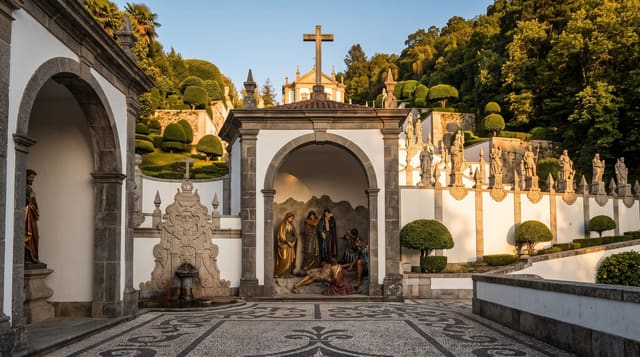
St Stepanos stands in a steep gorge running down to the Aras river in the far north-west of Iran, founded by tradition in the ninth century and rebuilt several times, most substantially in the seventeenth, with a fortified wall and towers enclosing a church, a bell tower and monastic buildings. The church is built in the Armenian manner with a conical dome on a drum, and the exterior stonework carries carved reliefs and khachkars, the Armenian cross-stones, worked in fine detail. It is one of three Armenian monastic ensembles in Iran inscribed together by UNESCO, with St Thaddeus and the Chapel of Dzordzor, recognised as the surviving eastern edge of Armenian architectural tradition. The setting, red rock and green river valley, is a large part of the effect.
What's there
- Carved exterior reliefs - fine stonework on the church walls.
- The conical dome on its drum - the Armenian church form.
- Fortified walls and towers - the enclosure around the monastic buildings.
- The Aras gorge setting - red rock and river below the monastery.
When to go
May to October; the far north-west has cold snowy winters. Two to three hours. It is quiet at most times. The border road along the Aras is scenic and worth the drive in itself.
Before you go
It is remote, close to the border, and the drive is long from Tabriz. There is little interpretation. Services are held rarely and the church is otherwise empty. Facilities are minimal.
Nearby
Jolfa is east; St Thaddeus Monastery lies south-west.
What to pack for St. Stepanos Monastery
Chosen from what this place is for. Tap a kit for the full checklist.
- Comfortable walking shoes - Sightseeing means kilometres of pavement and cobbles daily. Find on Amazon
- Modest clothing - Shoulders and knees covered - the single most common requirement. Find on Amazon
- A slim anti-theft daypack - Zips that close properly; keep it in front in crowds and on transit. Find on Amazon
- A scarf or shawl - To cover the head or shoulders on entry; women especially at mosques. Find on Amazon
Some links on this page are Amazon affiliate links - if you buy through them we may earn a small commission at no extra cost to you.
All packing kitsPlan your trip
Where to start if St. Stepanos Monastery is going on the list.
Booking links on this page are affiliate links - if you book through them we may earn a small commission at no extra cost to you. It never changes what we write about a place.
Opening times, ticket prices and seasonal closures change - check the official source before you go: official site.