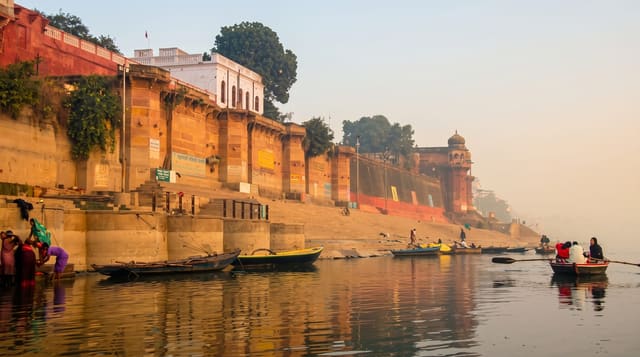
Kashan Historic Houses
Merchant mansions of the desert - sunken courtyards, wind towers and stained glass in a town between Tehran and Isfahan.
Updated 31 August 2026
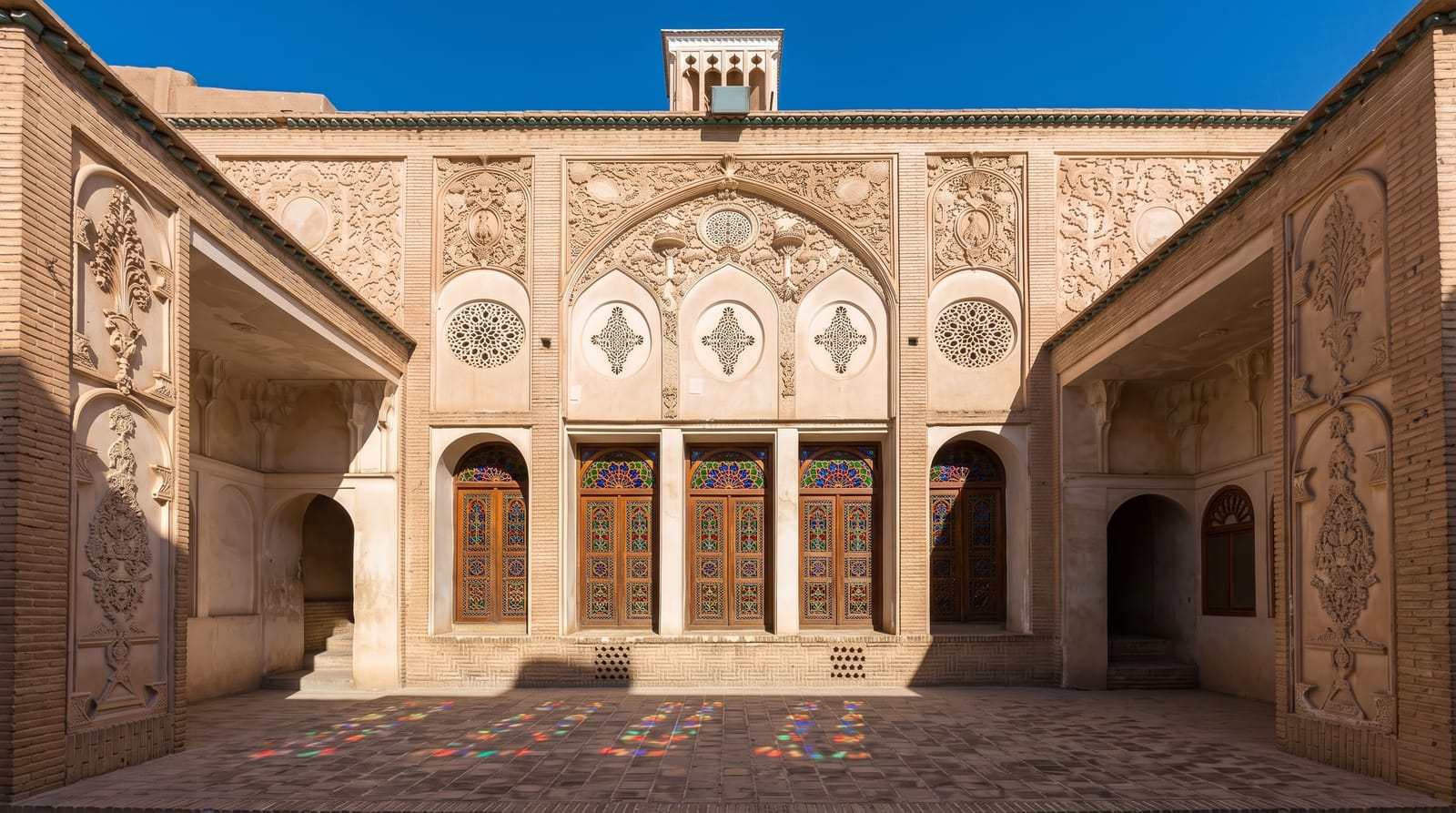
AI illustration
Kashan sits at the edge of the central desert and grew rich on carpets, silk and rosewater, and its nineteenth-century merchants built houses that solved the climate beautifully: courtyards sunk below ground level to reach cooler air, badgir wind towers catching any breeze, thick mud-brick walls, and interiors of carved plaster and coloured glass that throws patterns across the floor. The Tabatabaei, Borujerdi and Abbasian houses are the best preserved and can all be walked in a day. Nearby is Fin Garden, another of the UNESCO-listed Persian gardens, fed by a spring that has run for centuries.
What you'll find
- Tabatabaei House - the largest and most elaborate of the merchant mansions.
- Borujerdi House - wind towers and painted plaster interiors.
- Fin Garden - the UNESCO Persian garden and its spring-fed channels.
- Sultan Amir Ahmad bathhouse - the domed roof walk over the old hammam.
When to go
Spring and autumn are comfortable; Kashan's rosewater festival in May, when the region distils Damask roses, is a genuine local event. Summer is desert-hot. The houses are cool inside by design in any season.
Things to know
Several historic houses are now boutique hotels, which is charming but means some interiors are only accessible to guests. Restoration quality varies. Kashan is often visited as a stop between Tehran and Isfahan, and a rushed half day sells it short. The same practicalities apply as everywhere in Iran: cash only, dress rules, and visa arrangements to check in advance.
Nearby
Fin Garden, Abyaneh village and the Maranjab desert.
What to pack for Kashan Historic Houses
Chosen from what this place is for. Tap a kit for the full checklist.
- Loose, light, long clothing - Covering up beats bare skin in the desert - and locals dress this way for a reason. Find on Amazon
- Comfortable walking shoes - Sightseeing means kilometres of pavement and cobbles daily. Find on Amazon
- A wide-brim hat + sunglasses - Shade for your face and eyes where there is none overhead. Find on Amazon
- A slim anti-theft daypack - Zips that close properly; keep it in front in crowds and on transit. Find on Amazon
Some links on this page are Amazon affiliate links - if you buy through them we may earn a small commission at no extra cost to you.
All packing kitsPlan your trip
Where to start if Kashan Historic Houses is going on the list.
Booking links on this page are affiliate links - if you book through them we may earn a small commission at no extra cost to you. It never changes what we write about a place.
Opening times, ticket prices and seasonal closures change - check the official source before you go: official site.