Ranikhet
An army cantonment town in pine and deodar forest, kept low-rise and quiet by military ownership.
Updated 19 October 2026
AI illustration
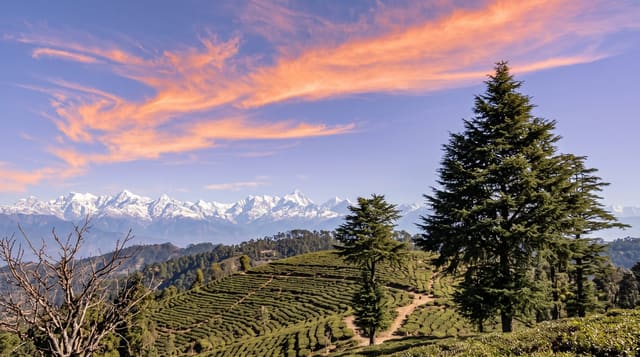
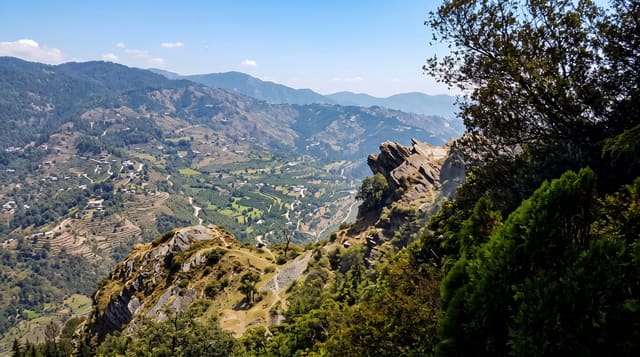
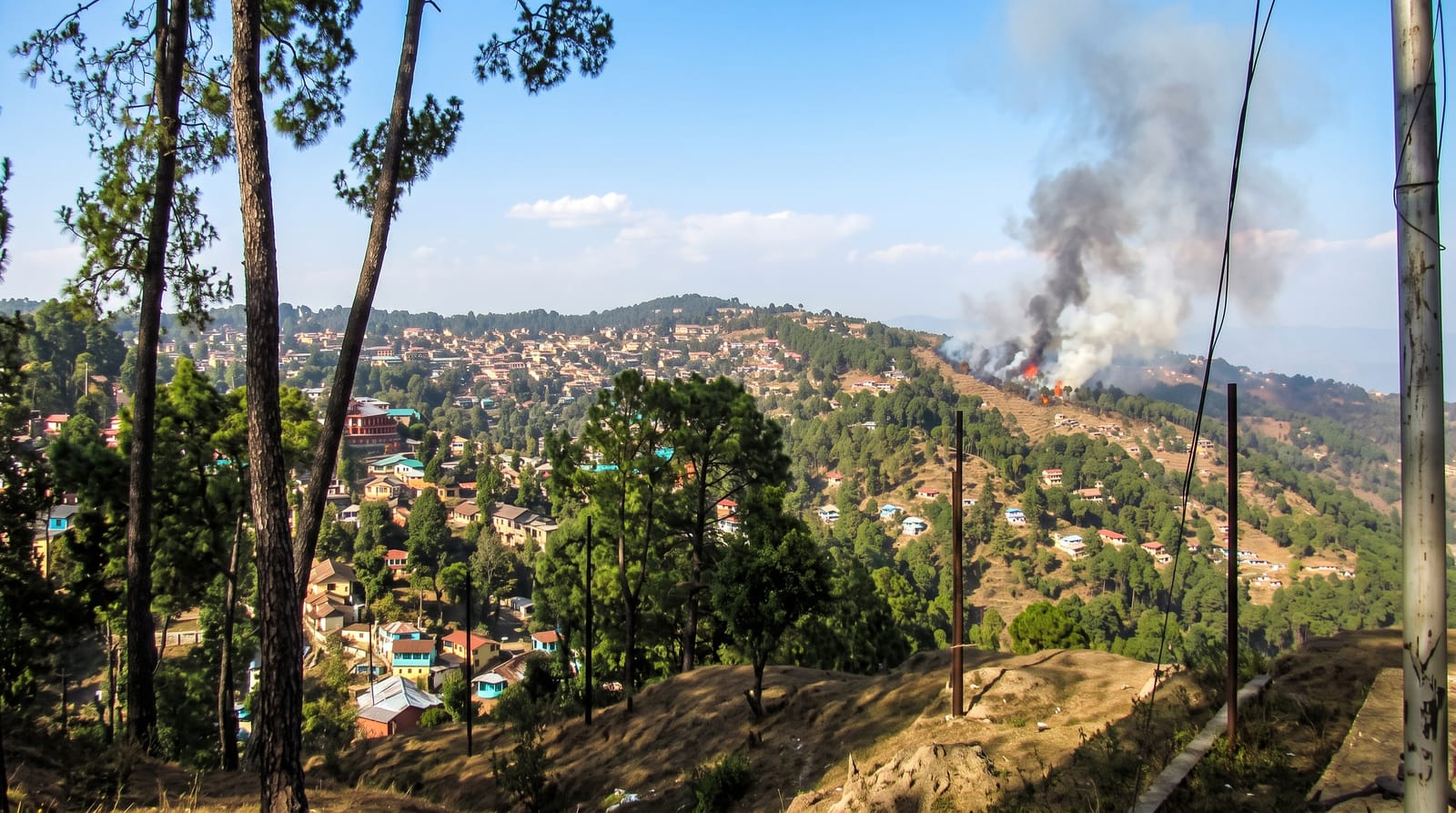
Ranikhet has been a cantonment since 1869 and remains the regimental centre of the Kumaon Regiment, which is why it looks unlike other Indian hill stations: the army owns most of the land, so building is restricted, the forest of pine, deodar and oak is intact, and the town is quiet and low-rise with long stretches of empty road. Chaubatia orchards grow apples, apricots and plums on the slopes with a government garden open to visit. Jhula Devi temple is hung with thousands of bells left by petitioners, and a golf course, one of the highest in Asia, occupies a meadow at Upat.
History
The name means "queen's meadow" in Kumaoni, from a legend that the Katyuri ruler Raja Sudhardev won the heart of Rani Padmini here and she chose it for her home. After Kumaon passed to the British in 1815, European groups bought land here between 1830 and 1856 hoping to plant tea; in 1868 the site was chosen for British soldiers' quarters, and the following year a cantonment was formed (Wikipedia, Ranikhet).
What to look for
- The cantonment forest - deodar and pine kept intact by military land control.
- Jhula Devi temple - thousands of bells hung by petitioners.
- Chaubatia orchards - apple and stone fruit gardens on the slopes.
- The Upat golf course - a high meadow course above the town.
When to go
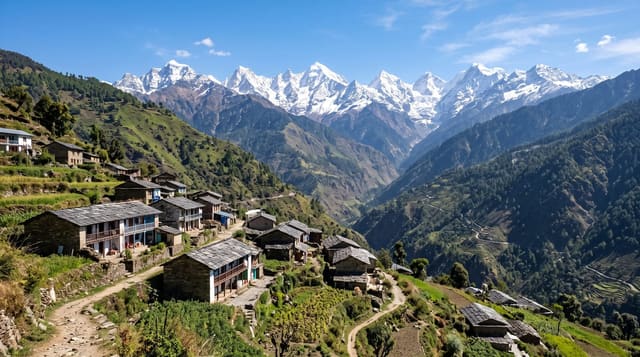
March to June and September to November; apples ripen in late summer and autumn. The monsoon brings landslides. Winter is cold, quiet and occasionally snowy, with the clearest peaks.
What to expect
Much of the land is military and off limits, with restrictions on photography in places. The town is deliberately quiet, with little nightlife or dining. Himalayan views need clear weather.
Nearby
Almora lies east; Nainital is south.
What to pack for Ranikhet
Chosen from what this place is for. Tap a kit for the full checklist.
- Strong insect repellent - DEET or picaridin; the jungle is where bites and disease risk are highest. Find on Amazon
- Comfortable walking shoes - Sightseeing means kilometres of pavement and cobbles daily. Find on Amazon
- Modest clothing - Shoulders and knees covered - the single most common requirement. Find on Amazon
- Long, light, quick-dry clothing - Covers skin from insects and sun without cooking you in the humidity. Find on Amazon
Some links on this page are Amazon affiliate links - if you buy through them we may earn a small commission at no extra cost to you.
All packing kitsPlan your trip
Where to start if Ranikhet is going on the list.
Booking links on this page are affiliate links - if you book through them we may earn a small commission at no extra cost to you. It never changes what we write about a place.
Opening times, ticket prices and seasonal closures change - check the official source before you go: official site.