The National Museum, New Delhi
India's broadest single collection, running from Indus Valley bronzes and Buddhist relics through miniature painting, textiles and tribal art.
Updated 19 October 2026
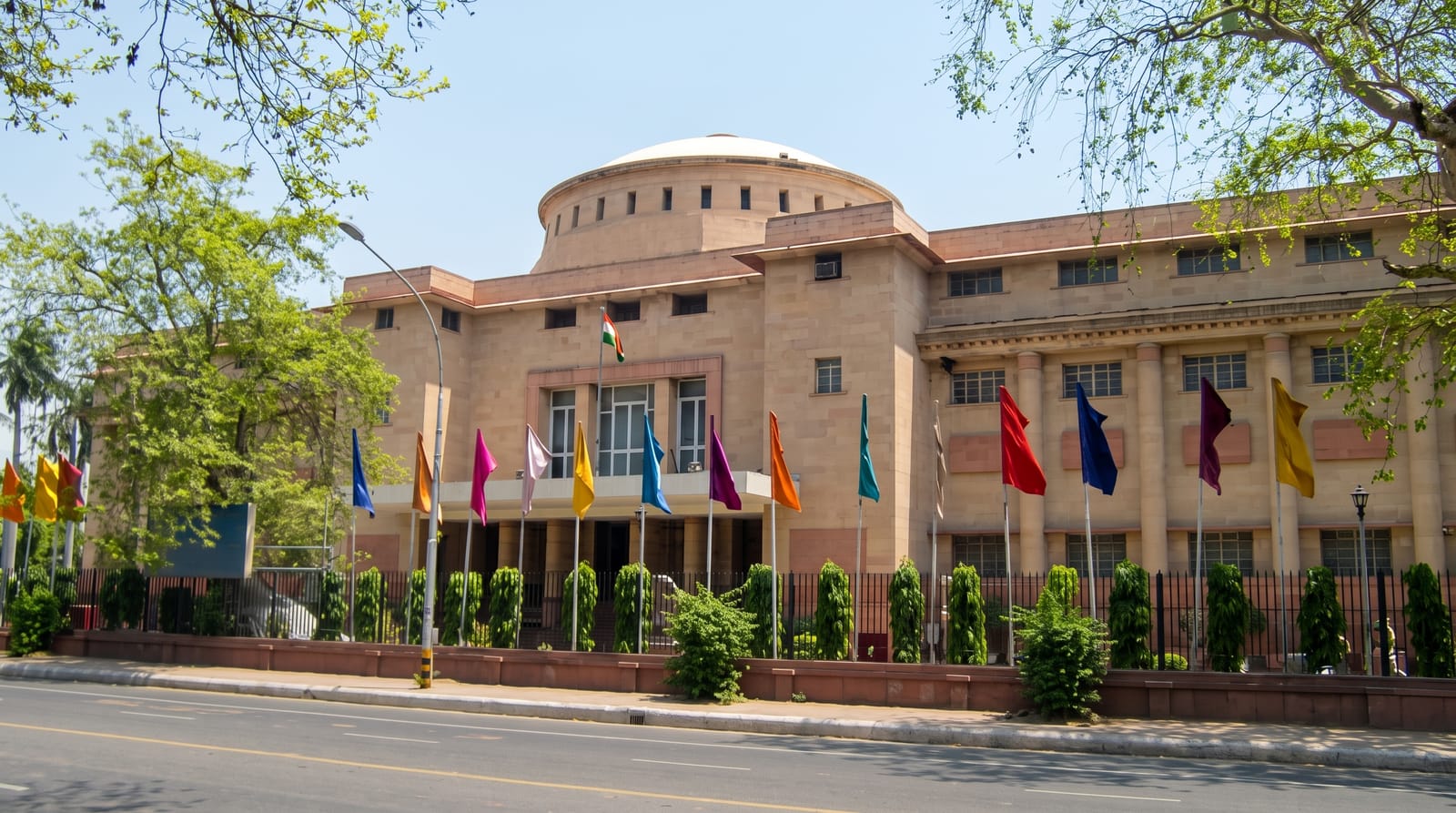
AI illustration
The National Museum sits on Janpath in the wide, planned quarter of New Delhi and holds the country's broadest single collection, roughly five thousand years of material in one building. The Harappan gallery is the reason many people come: seals, pottery, jewellery and the small bronze figure known as the Dancing Girl, excavated at Mohenjo-daro. Beyond it are stone sculpture from Gandhara and the temple centuries, bronzes from the south, manuscripts, arms and armour, coins, textiles and a large holding of miniature paintings from the Mughal, Rajput and Pahari schools. Displays are uneven in age and lighting, and some galleries feel unchanged for decades, but the objects themselves are first rank.
History
The idea of a National Museum was proposed in 1946 by the Gwyer Committee, whose members included Sir Mortimer Wheeler, then head of the Archaeological Survey of India. Its roots lie in an exhibition of Indian art at the Royal Academy in London in the winter of 1947-48, and the museum was established in 1949; its first director was Grace Morley, earlier the founding director of the San Francisco Museum of Art (Wikipedia, National Museum of India).
What's there
- The Harappan gallery - seals, pottery, jewellery and the small bronze Dancing Girl from Mohenjo-daro.
- Stone and bronze sculpture - Gandharan Buddhas and South Indian temple bronzes across several rooms.
- Miniature painting - Mughal, Rajput and Pahari works, usually shown in deliberately low light.
- Textiles, arms and coins - the applied-art galleries upstairs, consistently quieter than the ground floor.
When to go
October to March is the comfortable season in Delhi, and the museum also works as a retreat from the heat in April and May. It closes on Mondays and on some public holidays. Mornings are quietest; school groups arrive mid-morning on weekdays. Allow extra time if you want the audio guide, which is worth the small fee.
Things to know
Curation is dated in places, with typed labels, dim cases and galleries that shut without notice. Photography rules change, and cameras and bags usually go into a cloakroom. The building is large and the signage is poor, so you will backtrack more than once. A good deal of the strongest material is not on display at all.
Nearby
India Gate and the shops of Connaught Place are short rides away, with Humayun's Tomb about half an hour east.
Key facts
Source: Wikidata, item Q1356138, read on 18 October 2026.
What to pack for The National Museum, New Delhi
Chosen from what this place is for. Tap a kit for the full checklist.
- Comfortable walking shoes - Sightseeing means kilometres of pavement and cobbles daily. Find on Amazon
- Modest clothing - Shoulders and knees covered - the single most common requirement. Find on Amazon
- A slim anti-theft daypack - Zips that close properly; keep it in front in crowds and on transit. Find on Amazon
- A scarf or shawl - To cover the head or shoulders on entry; women especially at mosques. Find on Amazon
Some links on this page are Amazon affiliate links - if you buy through them we may earn a small commission at no extra cost to you.
All packing kitsPlan your trip
Where to start if The National Museum, New Delhi is going on the list.
Booking links on this page are affiliate links - if you book through them we may earn a small commission at no extra cost to you. It never changes what we write about a place.
Opening times, ticket prices and seasonal closures change - check the official source before you go: official site.