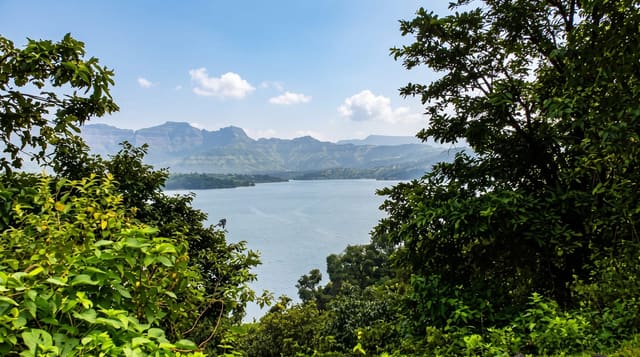
Kaas Plateau
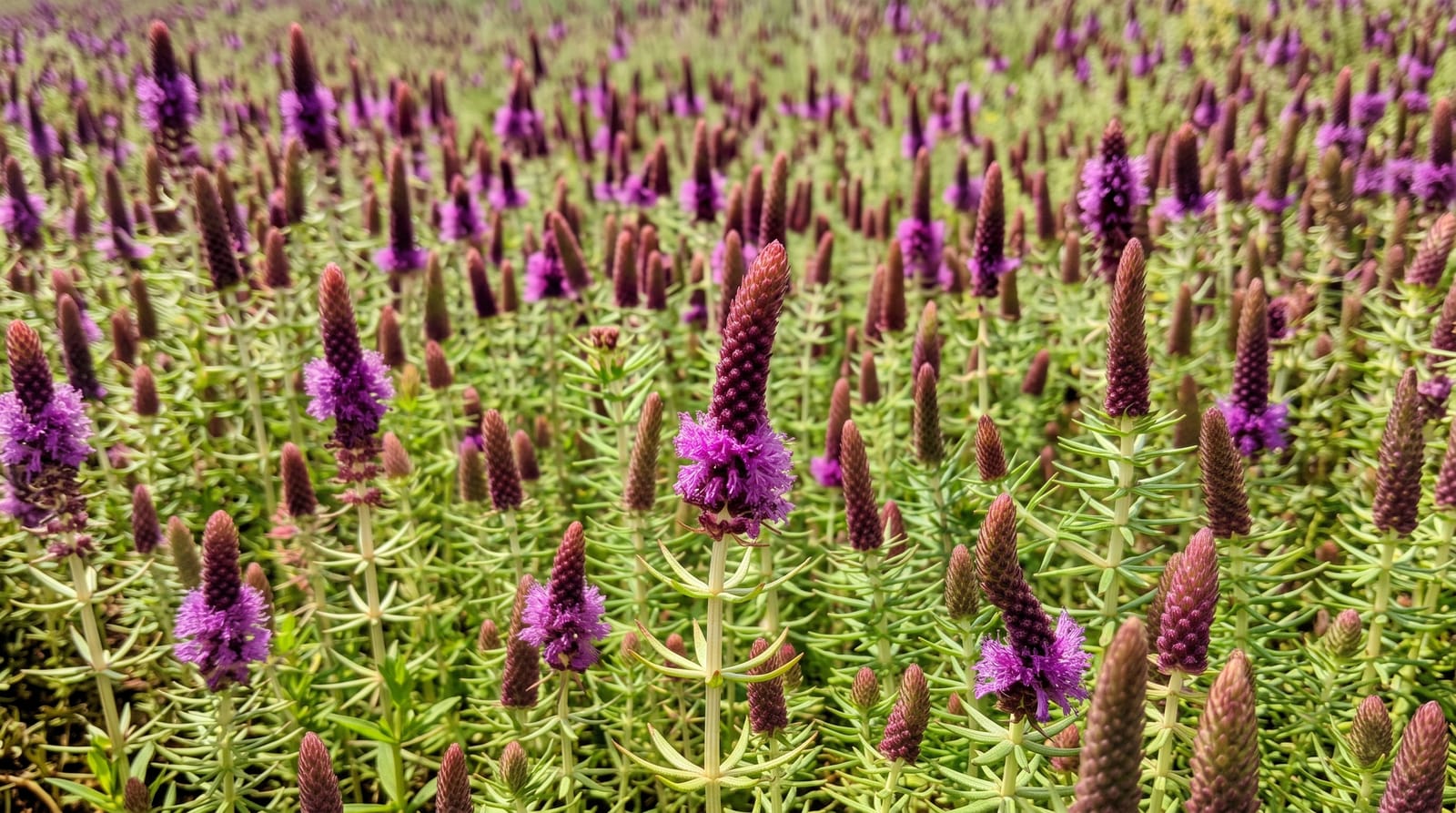
A lateritic plateau that flowers in mass bloom each September, with species that grow in soil centimetres deep.
Updated 14 October 2026
AI illustration
UNESCO World Heritage
Kaas is a plateau of exposed laterite in the Western Ghats where the soil is only a few centimetres deep over rock, which supports a specialised flora of ephemerals and insectivorous plants that complete their whole cycle in the weeks after the monsoon. From late August into September the surface turns colour in successive waves as different species bloom and fade, with over eight hundred and fifty flowering species recorded and many endemic to the northern Western Ghats. It is part of the UNESCO Western Ghats world heritage listing, and visitor numbers are capped daily to limit trampling.
What's there
- The mass bloom - waves of colour changing species by species through September.
- The insectivorous plants - sundews and bladderworts in the shallow soil.
- The endemic flora - species restricted to the northern Western Ghats.
- The laterite surface - rock with only centimetres of soil above it.
When to go
Late August to early October; the peak lasts two to three weeks and shifts with the monsoon. Visitor numbers are capped daily and online booking is effectively compulsory in season.
What to expect
The window is short and easily missed. Walking is restricted to fenced paths to prevent trampling, and stepping off is prohibited. Weekend slots sell out. Outside the bloom the plateau is bare rock.
Nearby
Satara lies east; Mahabaleshwar is north.
Key facts
Source: Wikidata, item Q6343582, read on 18 October 2026.
What to pack for Kaas Plateau
Chosen from what this place is for. Tap a kit for the full checklist.
- Broken-in walking shoes or boots - Grip and ankle support matter more than looks; never hike in brand-new boots. Find on Amazon
- Strong insect repellent - DEET or picaridin; the jungle is where bites and disease risk are highest. Find on Amazon
- Layers + a waterproof shell - Mountain weather turns fast; a packable rain jacket saves the day. Find on Amazon
- Long, light, quick-dry clothing - Covers skin from insects and sun without cooking you in the humidity. Find on Amazon
Some links on this page are Amazon affiliate links - if you buy through them we may earn a small commission at no extra cost to you.
All packing kitsPlan your trip
Where to start if Kaas Plateau is going on the list.
Booking links on this page are affiliate links - if you book through them we may earn a small commission at no extra cost to you. It never changes what we write about a place.
Opening times, ticket prices and seasonal closures change - check the official source before you go: official site.