Szentendre Old Town
A Serbian Orthodox riverside town of ochre houses that became Hungary's artists' colony.
Updated 31 August 2026
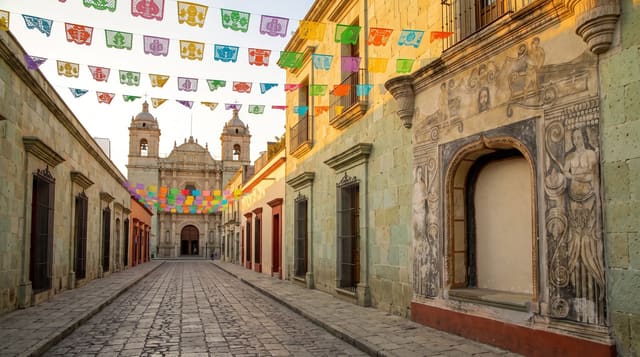
Szentendre was settled in waves by Serbs fleeing Ottoman advances, most substantially in 1690, and they built the town that survives: narrow lanes climbing from the Danube between ochre and red houses, with the towers of several Orthodox churches above the roofs and the Blagovestenska church on the main square. From the 1920s it drew painters, and the artists' colony that formed here left a string of small museums, the best known holding the ceramics of Margit Kovacs, whose figures are made in a way that is difficult to mistake for anyone else. The result is a very pretty town half an hour from Budapest, which is also the problem: it receives coach traffic in volume.
What's there
- Serbian Orthodox churches - the towers left by the 1690 settlement.
- Ochre lanes climbing from the river - the old town street pattern.
- The Margit Kovacs ceramics museum - the colony's best-known collection.
- The Danube promenade - the riverside below the town.
When to go
April to October, and specifically on weekday mornings, before the coaches arrive. Half a day. Summer weekends are extremely crowded. The town is quiet and pretty in winter but many places close.
What to expect
The main street is largely souvenir shops and marzipan museums, and prices are set for day trippers. Coach groups fill the centre from late morning. The genuine interest is in the side lanes and the Orthodox churches, which most visitors skip.
Nearby
Visegrad is upstream; Budapest lies south.
What to pack for Szentendre Old Town
Chosen from what this place is for. Tap a kit for the full checklist.
- Comfortable walking shoes - Sightseeing means kilometres of pavement and cobbles daily. Find on Amazon
- A slim anti-theft daypack - Zips that close properly; keep it in front in crowds and on transit. Find on Amazon
- A refillable water bottle - Many cities have public fountains; save money and plastic. Find on Amazon
- A light layer + compact umbrella - For museum air-con and a sudden shower. Find on Amazon
Some links on this page are Amazon affiliate links - if you buy through them we may earn a small commission at no extra cost to you.
All packing kitsPlan your trip
Where to start if Szentendre Old Town is going on the list.
Booking links on this page are affiliate links - if you book through them we may earn a small commission at no extra cost to you. It never changes what we write about a place.
Opening times, ticket prices and seasonal closures change - check the official source before you go: official site.