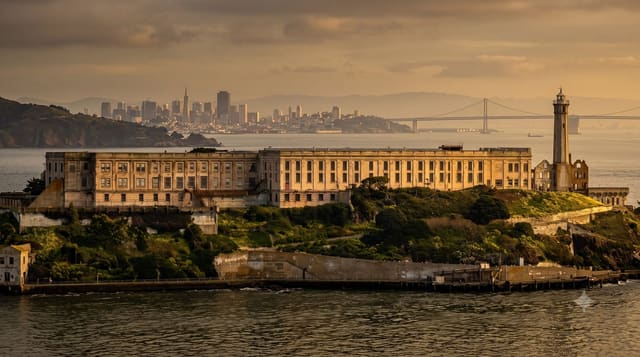
Monostor Fortress
A vast nineteenth-century fortress at Komarom that never fired a shot in anger.
Updated 21 October 2026
Monostor was built between 1850 and 1871 on the Danube at Komarom, after the Habsburgs had spent a difficult war being held up by the fortifications here, and it is enormous: earth ramparts and casemates on a site of some 110 hectares, with several kilometres of underground corridors, barracks for thousands and gun positions covering the river. It is often described as the largest surviving modern fortress in central Europe. Despite the effort it never saw combat, was used as a barracks and later as an ammunition depot until 1990, and is now open with guided tours through the tunnels, the casemates and the powder magazines. Sections remain unrestored and the scale is best understood from the ramparts.
Highlights
- Kilometres of underground corridors - the casemate tunnels under the ramparts.
- Over a hundred hectares of earthworks - the scale seen from the ramparts.
- The powder magazines - the vaulted stores deep in the structure.
- A fortress never attacked - built for a war that did not come here.
When to go
April to October; the tunnels are cold year round and parts close in winter. Two to three hours. Underground sections are by guided tour only, at set times.
Before you go
Much of the site is unrestored, overgrown or fenced off. Tours are mostly in Hungarian. The tunnels are cold, damp and unlit in places. It is a long walk between sections with little shade.
Nearby
Komarom is east; Tata lies south.
Key facts
Source: Wikidata, item Q22712304, read on 18 October 2026.
What to pack for Monostor Fortress
Chosen from what this place is for. Tap a kit for the full checklist.
- Head torch + spare batteries - Hands-free light is essential; caves are truly dark. Find on Amazon
- Comfortable walking shoes - Sightseeing means kilometres of pavement and cobbles daily. Find on Amazon
- Grippy closed shoes - Cave floors are wet, muddy and slick with formations. Find on Amazon
- A slim anti-theft daypack - Zips that close properly; keep it in front in crowds and on transit. Find on Amazon
Some links on this page are Amazon affiliate links - if you buy through them we may earn a small commission at no extra cost to you.
All packing kitsPlan your trip
Where to start if Monostor Fortress is going on the list.
Booking links on this page are affiliate links - if you book through them we may earn a small commission at no extra cost to you. It never changes what we write about a place.
Opening times, ticket prices and seasonal closures change - check the official source before you go: official site.