Hajos Cellar Village
Over a thousand whitewashed press houses standing together as a village with no residents.
Updated 31 August 2026
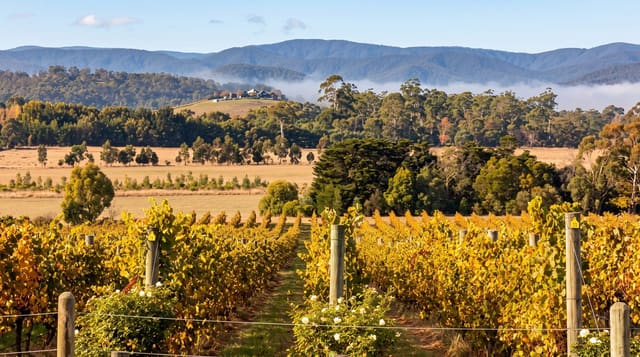
Outside Hajos stands something that reads as a village until you notice nobody lives in it: more than a thousand small whitewashed press houses with cellars beneath, built in rows along lanes with their own street names, put up from the eighteenth century by Swabian settlers who kept their vines on the sandy land and their wine in the cool ground here rather than at home. It is among the largest cellar settlements in Europe. Most are still privately owned and used at harvest; a growing number open at weekends and in the season for tasting and food, and some have become guest houses. The lanes are quiet on weekdays, and the scale is only clear from the middle of them.
What's there
- Over a thousand press houses - a village of cellars with no residents.
- Named lanes between the rows - the settlement laid out as a real village.
- Swabian settler history - the eighteenth-century community that built it.
- Weekend tasting cellars - the ones opened to visitors.
When to go
May to October, and specifically weekends and the September harvest, when cellars open. Half a day. Midweek almost everything is locked. Book tastings ahead.
What to expect
Out of season it is a thousand closed doors and nothing to do. Public transport is poor and Hungary enforces zero tolerance for drivers, so plan accordingly. Many cellars are decaying and some lanes are shabby.
Nearby
Kalocsa is north; Baja lies south-west.
What to pack for Hajos Cellar Village
Chosen from what this place is for. Tap a kit for the full checklist.
- A reusable bag or container - For market produce and cutting down on packaging. Find on Amazon
- Wet wipes + hand sanitiser - Street food and washbasins do not always go together. Find on Amazon
Some links on this page are Amazon affiliate links - if you buy through them we may earn a small commission at no extra cost to you.
All packing kitsPlan your trip
Where to start if Hajos Cellar Village is going on the list.
Booking links on this page are affiliate links - if you book through them we may earn a small commission at no extra cost to you. It never changes what we write about a place.
Opening times, ticket prices and seasonal closures change - check the official source before you go: official site.