Santa Maria Volcano
A volcano above Quetzaltenango overlooking a lava dome that erupts several times an hour.
Updated 1 September 2026
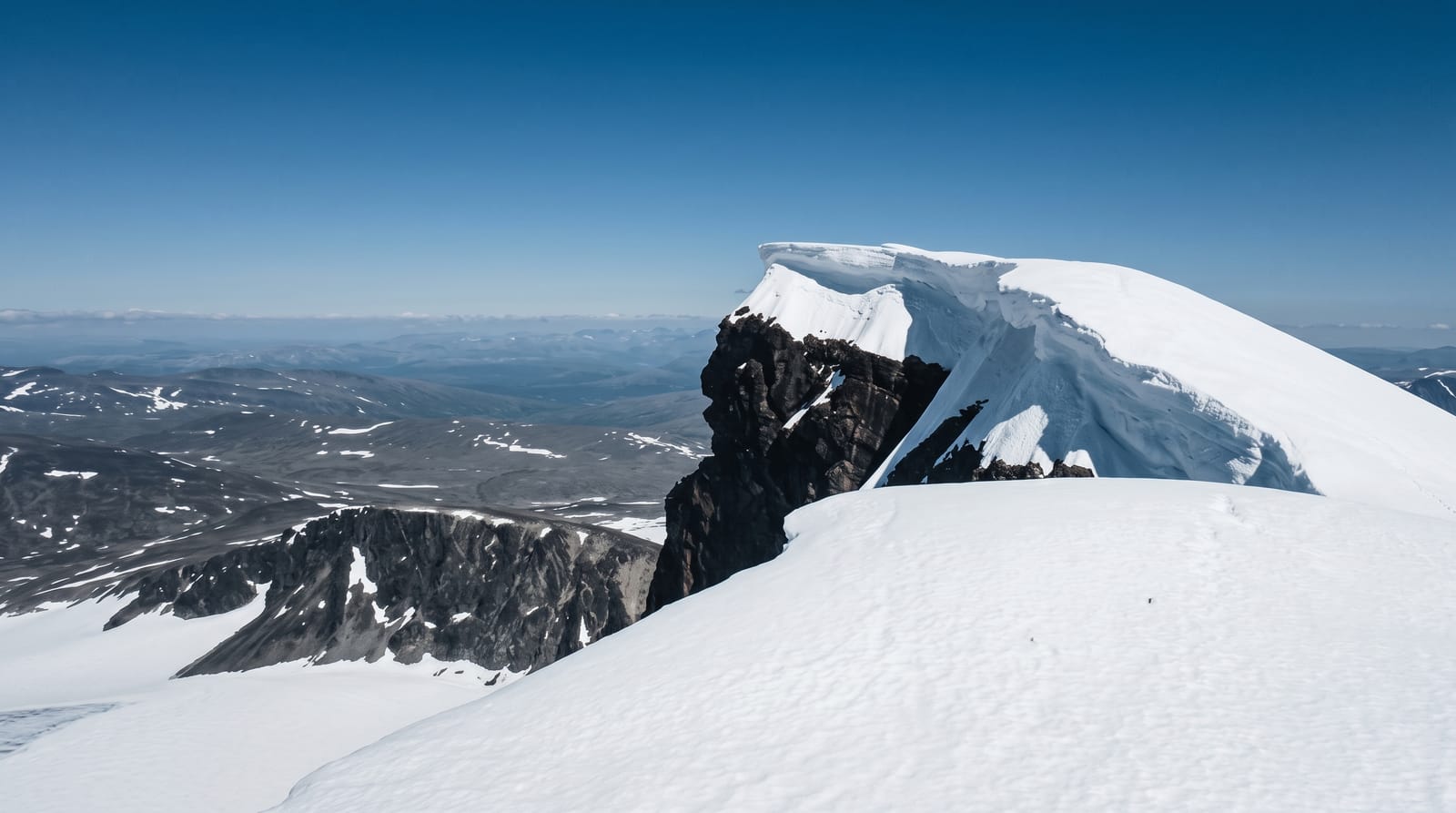
Santa Maria stands at three thousand seven hundred and seventy-two metres above Quetzaltenango, and the reason to climb it is not the summit but what is below it. In 1902 the volcano erupted catastrophically, blowing out its south-western flank, and in the crater left behind a lava dome called Santiaguito began growing in 1922 and has been erupting more or less continuously ever since, several times an hour, so that from the summit of Santa Maria you look down onto an active vent and watch ash columns rise toward you. The climb takes four or five hours up and is steep throughout, usually started before dawn to be on top before cloud builds.
Highlights
- Santiaguito erupting below - ash columns from an active dome, seen from above.
- The 1902 collapse scar - the flank blown out of the volcano.
- Sunrise over the highlands - the view before the cloud arrives.
- A steep four-hour climb - the ascent from Llanos del Pinal.
When to go
November to April in the dry season, starting before dawn to beat the cloud. A day. Guides are strongly advised, both for the route and for safety on the mountain.
What to expect
The climb is steep and relentless and the altitude is felt. Cloud usually covers the summit by mid-morning, so late starts see nothing. There have been robberies on this mountain; go with a guide or a group. Getting close to Santiaguito itself is dangerous and not permitted.
Nearby
Quetzaltenango is north-east; the Santiaguito dome lies below to the south-west.
Key facts
Source: Wikidata, item Q204657, read on 18 October 2026.
What to pack for Santa Maria Volcano
Chosen from what this place is for. Tap a kit for the full checklist.
- Broken-in walking shoes or boots - Grip and ankle support matter more than looks; never hike in brand-new boots. Find on Amazon
- Layers for big temperature swings - Warm sun by day, near-freezing at night, even near the equator. Find on Amazon
- Layers + a waterproof shell - Mountain weather turns fast; a packable rain jacket saves the day. Find on Amazon
- Extra-strong sun protection - Thin air means fierce UV; hat, sunglasses and high-SPF sunscreen. Find on Amazon
Some links on this page are Amazon affiliate links - if you buy through them we may earn a small commission at no extra cost to you.
All packing kitsPlan your trip
Where to start if Santa Maria Volcano is going on the list.
Booking links on this page are affiliate links - if you book through them we may earn a small commission at no extra cost to you. It never changes what we write about a place.
Opening times, ticket prices and seasonal closures change - check the official source before you go: official site.