Triopetra
Long quiet beaches on Crete's south coast named for three rocks standing in the sea off the shore.
Updated 4 September 2026

AI illustration
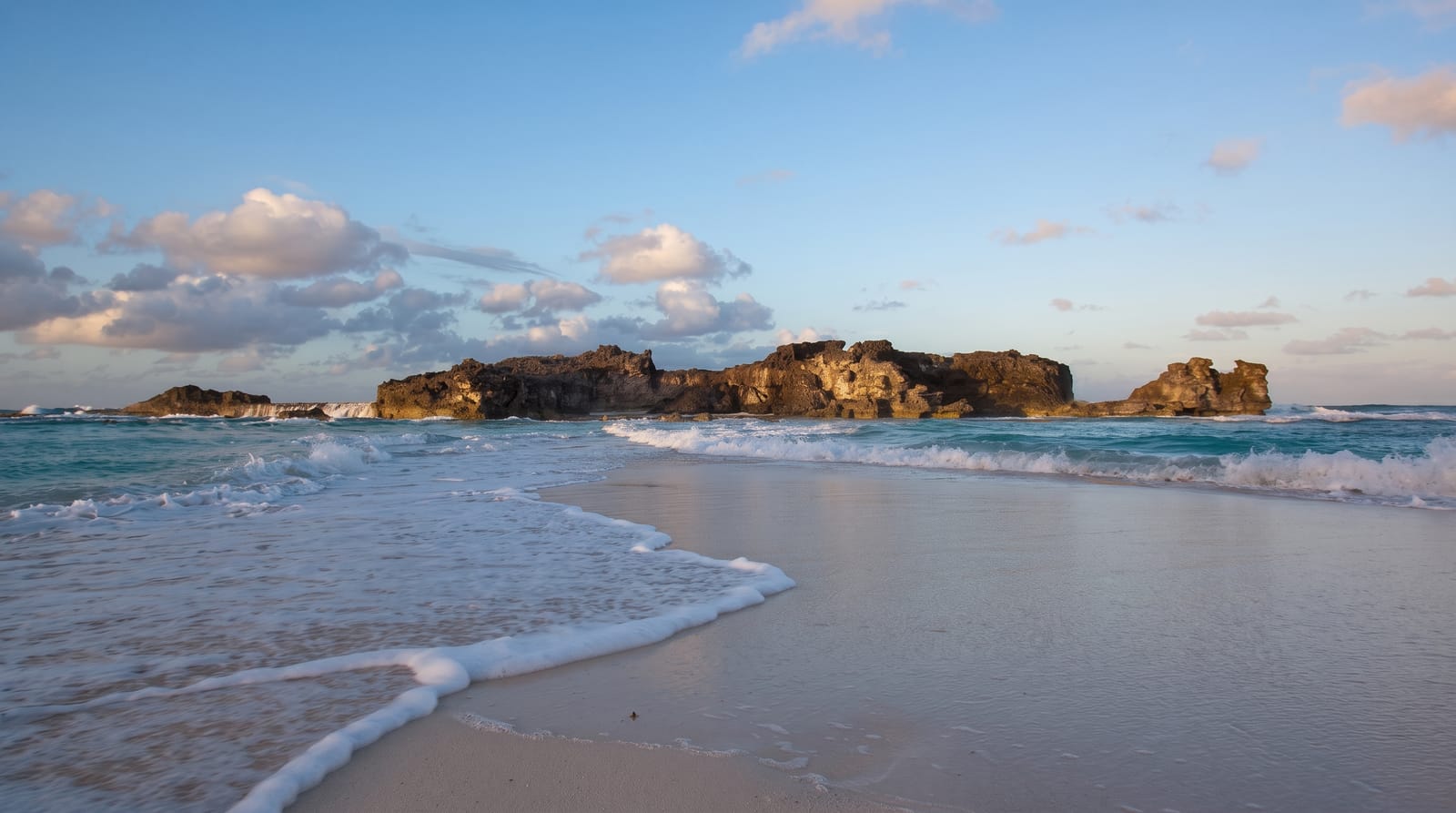
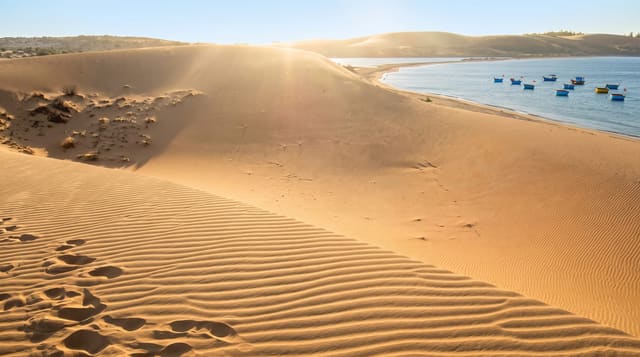
Triopetra takes its name from three tall rocks rising from the water at the eastern end of the shore, and the beaches run either side of them: Big Triopetra, a long stretch of coarse sand and pebble, and Small Triopetra beyond the headland, more sheltered and shallower. The area is barely developed, a scattering of tavernas and rooms along a dirt and asphalt approach, which keeps it quiet even in August compared with the north coast. The sea is open to the Libyan Sea, so the water is clear and cool and the afternoons can be breezy. Sunsets here face west along the coast, and the hills behind are terraced with olives. Agios Pavlos, with its sand dunes, lies a short drive east.
What you'll find
- The three rocks - the sea stacks that name the beach.
- The long shore - kilometres of coarse sand and pebble, largely empty.
- The olive terraces - the farmed hills rising directly behind.
- The sunsets - open western views along the Libyan coast.
When to go
May, June, September and October for warm water and space; even August stays manageable here. Afternoon wind is common, and the sea can get rough on exposed days.
Good to know
Facilities are minimal and spread out, with no organised beach services on much of the shore. The approach roads are narrow and partly unsurfaced. There is little shade, so bring an umbrella.
Nearby
Agios Pavlos and its dunes lie east; Plakias and the Kourtaliotiko gorge are further along the coast.
Key facts
Source: Wikidata, item Q2453857, read on 18 October 2026.
What to pack for Triopetra
Chosen from what this place is for. Tap a kit for the full checklist.
- Reef-safe sunscreen - High SPF that will not bleach the coral you are swimming over. Find on Amazon
- Loose, light, long clothing - Covering up beats bare skin in the desert - and locals dress this way for a reason. Find on Amazon
- Quick-dry towel - A microfibre towel packs small and dries in minutes. Find on Amazon
- A wide-brim hat + sunglasses - Shade for your face and eyes where there is none overhead. Find on Amazon
Some links on this page are Amazon affiliate links - if you buy through them we may earn a small commission at no extra cost to you.
All packing kitsPlan your trip
Where to start if Triopetra is going on the list.
Booking links on this page are affiliate links - if you book through them we may earn a small commission at no extra cost to you. It never changes what we write about a place.
Opening times, ticket prices and seasonal closures change - check the official source before you go: official site.