Skyros
A Sporades island split between green north and bare south, with a Cycladic-looking Chora and a breed of miniature pony.
Updated 19 October 2026
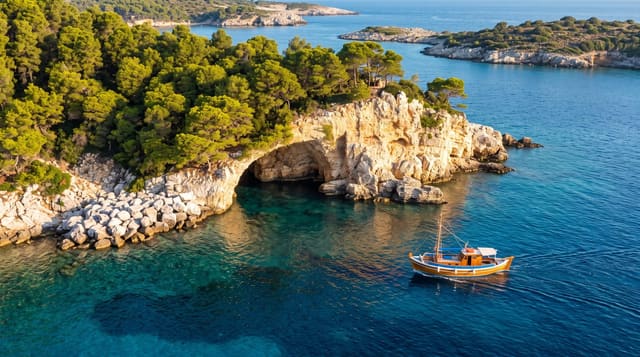
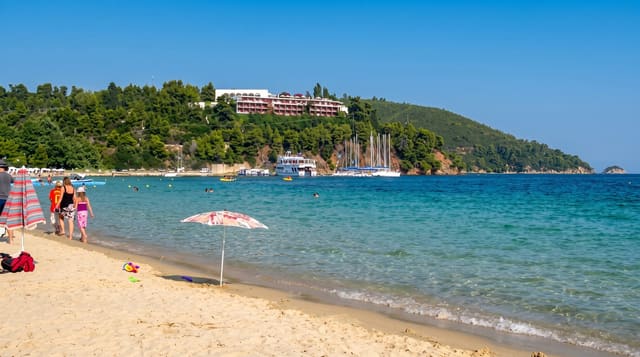
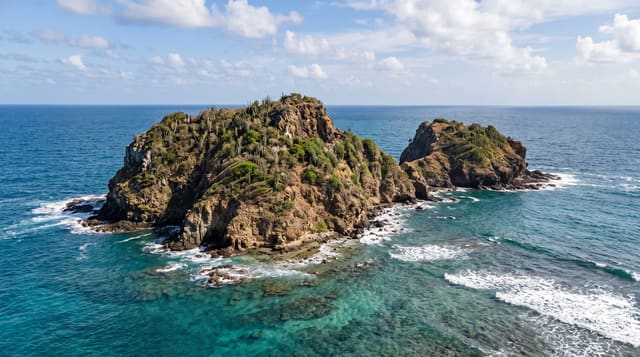
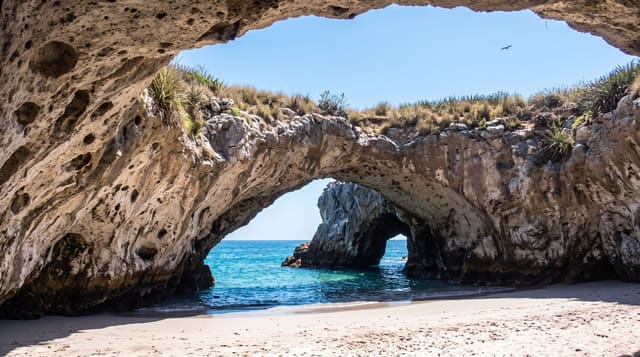
AI illustration
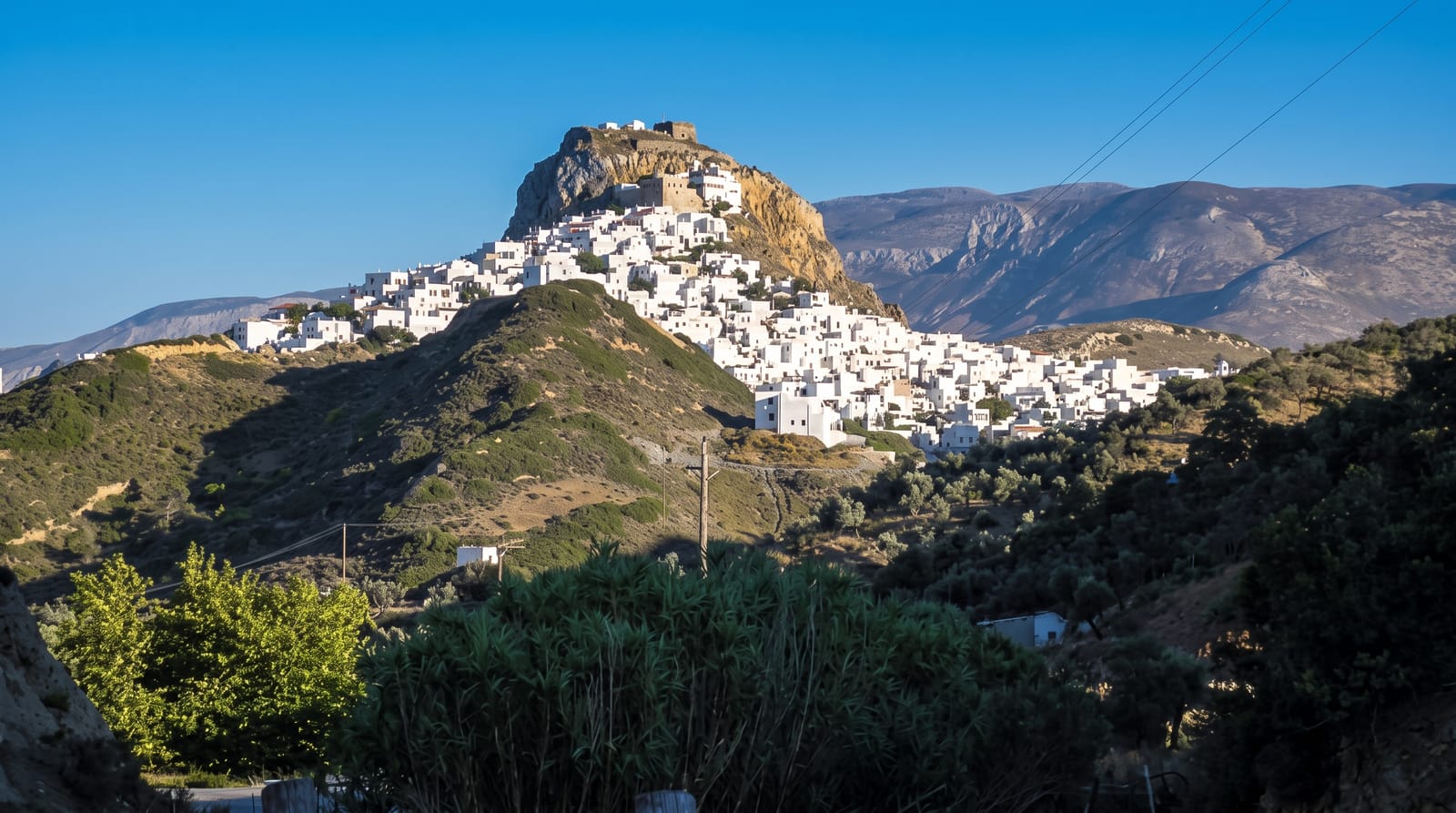
Skyros is the largest and least visited of the Sporades, and geologically two islands joined: a northern half of pine forest and beaches, and a southern half of bare mountain, cliffs and stone, almost empty except for goats. The Chora climbs a rock beneath a Byzantine and Venetian castle and the monastery of Agios Georgios, its whitewashed houses stacked in a way that looks Cycladic rather than Sporadic, with interiors traditionally crowded with carved furniture, embroidery and hanging ceramics. The Skyrian horse, a rare miniature breed standing about a metre high, survives here in small numbers and is bred at a few farms. Beaches run along the northeast, Molos, Magazia, Atsitsa, and Eleonora's falcons breed on the southern cliffs and offshore islets.
History
The name may come from skyron, "stone debris", and the island was known for its decorative stone. In myth Theseus died here when King Lycomedes threw him from a cliff, and Achilles sailed for Troy from Skyros after Odysseus found him at Lycomedes' court; around 475 BC, Thucydides says, Cimon defeated the Dolopians and Athenian settlers colonised the island, which lay on the trade route from Attica to the Black Sea. The Macedonians held it from 340 BC until 192 BC, when Philip V and the Romans gave it back to Athens (Wikipedia, Skyros).
What's there
- The Chora - white houses under a castle rock, with traditional interiors.
- The Skyrian horses - the island's rare miniature breed at local farms.
- The bare south - a stony wilderness of cliffs and goat tracks.
- The northern beaches - Magazia, Molos and the pine-backed coves.
When to go
May, June and September for warm sea and space; the island is genuinely quiet outside July and August. Winter ferries are cut back and the crossing from Kymi is weather-dependent.
Before you go
Getting there takes effort: a long drive to Kymi plus a two-hour boat, or a small plane. A car or scooter is needed, as the two halves of the island are far apart. Southern Skyros has almost no facilities.
Nearby
Kymi on Evia is the mainland ferry port; the other Sporades are reached by longer connections.
Key facts
Source: Wikidata, item Q208566, read on 18 October 2026.
What to pack for Skyros
Chosen from what this place is for. Tap a kit for the full checklist.
- Reef-safe sunscreen - High SPF that will not bleach the coral you are swimming over. Find on Amazon
- Modest clothing - Shoulders and knees covered - the single most common requirement. Find on Amazon
- Quick-dry towel - A microfibre towel packs small and dries in minutes. Find on Amazon
- A scarf or shawl - To cover the head or shoulders on entry; women especially at mosques. Find on Amazon
Some links on this page are Amazon affiliate links - if you buy through them we may earn a small commission at no extra cost to you.
All packing kitsPlan your trip
Where to start if Skyros is going on the list.
Booking links on this page are affiliate links - if you book through them we may earn a small commission at no extra cost to you. It never changes what we write about a place.
Opening times, ticket prices and seasonal closures change - check the official source before you go: official site.