Dadia Forest National Park
A pine and oak forest in Thrace holding three of Europe's four vulture species, with a hide overlooking a feeding station.
Updated 4 September 2026
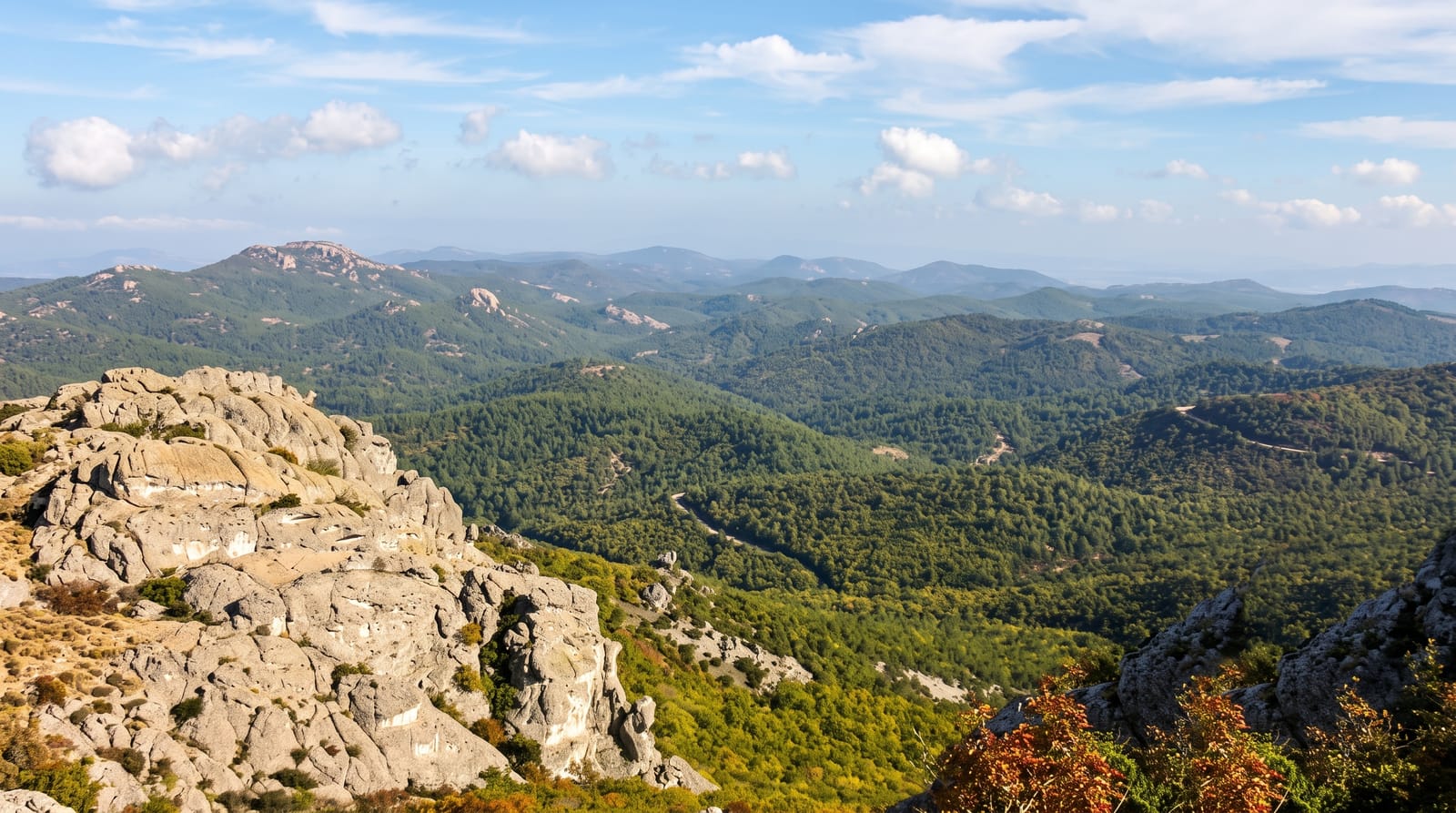
AI illustration
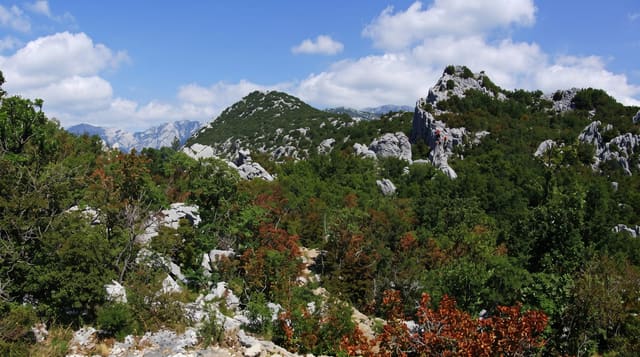
Dadia protects around 43,000 hectares of forest and open ridge in the low hills of Evros, and its importance is ornithological: this is the last regular breeding site in the Balkans for the black vulture, alongside griffon and Egyptian vultures, and one of the richest raptor areas in Europe, with more than thirty-five breeding birds of prey recorded. An information centre in the village runs a shuttle up to an observatory hide overlooking a supplementary feeding station, where vultures gather in numbers, and marked trails of varying length cross the forest. The landscape is a patchwork of Turkey oak, black pine and clearings that supports the density of prey these birds require, maintained deliberately by the park.
Highlights
- The vulture hide - an observatory overlooking the feeding station.
- The raptors - black, griffon and Egyptian vultures plus eagles and kites.
- The forest trails - marked walks through oak and pine woodland.
- The information centre - displays on the birds and the park's management.
When to go
March to June for breeding activity and migration, September to November for the return passage. Summer is hot and birds are less active in the middle of the day; early morning is always best.
Practical notes
The hide is the only reliable way to see vultures closely and requires the shuttle, which runs at set times. Binoculars or a scope are essential. Sightings depend on when carcasses are placed at the station, so timing matters more than luck.
Nearby
Soufli and its silk museums lie north; the Evros delta is southeast on the coast.
What to pack for Dadia Forest National Park
Chosen from what this place is for. Tap a kit for the full checklist.
- Broken-in walking shoes or boots - Grip and ankle support matter more than looks; never hike in brand-new boots. Find on Amazon
- Binoculars - The single best wildlife tool - even a compact pair transforms a sighting. Find on Amazon
- Spare batteries + cards - Cold and long shoots drain power; never run out at the good light. Find on Amazon
- Layers + a waterproof shell - Mountain weather turns fast; a packable rain jacket saves the day. Find on Amazon
Some links on this page are Amazon affiliate links - if you buy through them we may earn a small commission at no extra cost to you.
All packing kitsPlan your trip
Where to start if Dadia Forest National Park is going on the list.
Booking links on this page are affiliate links - if you book through them we may earn a small commission at no extra cost to you. It never changes what we write about a place.
Opening times, ticket prices and seasonal closures change - check the official source before you go: official site.