Schmalkalden
A timber town with a Renaissance palace whose interiors survive untouched because nobody ever modernised them.
Updated 19 October 2026
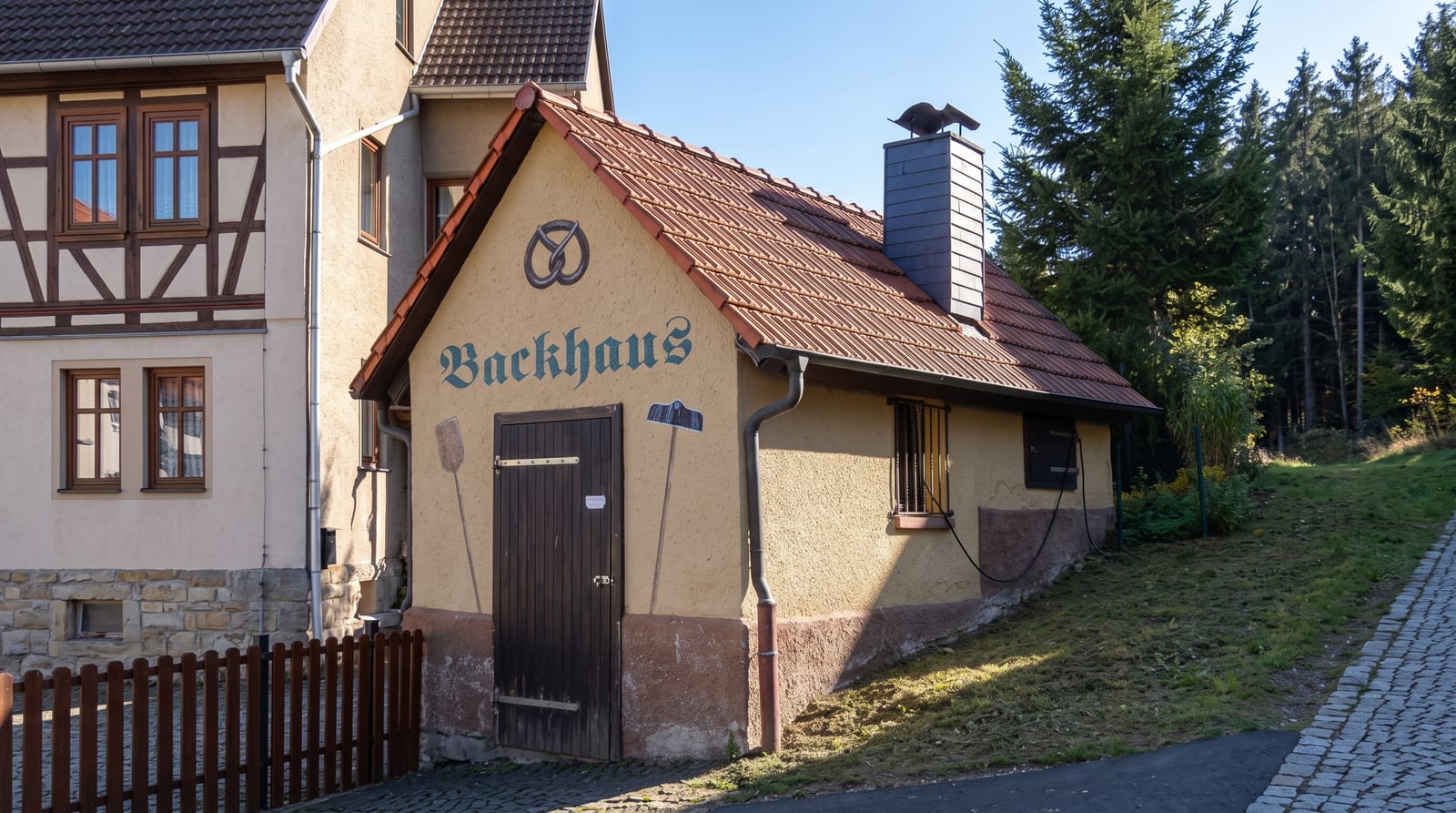
AI illustration
Schloss Wilhelmsburg was built between 1585 and 1590 as a hunting and administrative residence for the landgraves of Hesse and then barely used, which is why its Renaissance interiors survive largely as built: painted wall decoration, stucco ceilings and a chapel that is among the best-preserved Protestant church interiors of the period, with the pulpit, altar and organ arranged on one axis as Protestant practice required. The organ of about 1590 is among the oldest in Germany still playable. The town below has timber-framed houses and a small iron and mining museum, reflecting the local metal trades.
History
Schmalkalden is first mentioned in a deed of 874 as Smalcalta and received town privileges about 1180; after Landgrave Henry Raspe died without heirs in 1247 it passed to the Counts of Henneberg, who allied with Hesse. In 1531 Protestant princes under Philip I of Hesse founded the Schmalkaldic League in its town hall, and in 1537 Luther, Melanchthon and other reformers drew up the Smalcald Articles here. When the Hennebergs died out in 1583 their share went to Landgrave William IV of Hesse-Kassel, who made the town a residence and built Wilhelmsburg Castle, finished in 1590 (Wikipedia, Schmalkalden).
What's there
- The untouched interiors - Renaissance painting and stucco barely altered.
- The palace chapel - an early Protestant interior with its original fittings.
- The 1590 organ - among the oldest playable organs in Germany.
- The timber town - framed houses below the palace hill.
When to go
April to October; the palace closes Mondays and reduces winter hours. Organ recitals are held in the chapel through the season.
Things to know
The palace closes Mondays. The town is small and quiet. Public transport into the Thuringian Forest is limited.
Nearby
The Rennsteig ridge path runs south; Eisenach is northwest.
Key facts
Source: Wikidata, item Q489147, read on 18 October 2026.
What to pack for Schmalkalden
Chosen from what this place is for. Tap a kit for the full checklist.
- Comfortable walking shoes - Sightseeing means kilometres of pavement and cobbles daily. Find on Amazon
- A slim anti-theft daypack - Zips that close properly; keep it in front in crowds and on transit. Find on Amazon
- A refillable water bottle - Many cities have public fountains; save money and plastic. Find on Amazon
- A light layer + compact umbrella - For museum air-con and a sudden shower. Find on Amazon
Some links on this page are Amazon affiliate links - if you buy through them we may earn a small commission at no extra cost to you.
All packing kitsPlan your trip
Where to start if Schmalkalden is going on the list.
Booking links on this page are affiliate links - if you book through them we may earn a small commission at no extra cost to you. It never changes what we write about a place.
Opening times, ticket prices and seasonal closures change - check the official source before you go: official site.


