Neanderthal Museum
A museum at the valley that named a human species, in a quarry that destroyed the site it is named for.
Updated 19 October 2026

AI illustration
In 1856 quarrymen clearing a limestone cave in the Neander valley threw out bones that were recognised as belonging to an unknown kind of human, and the species took the valley's name. The quarrying destroyed the cave and the valley's original limestone gorge entirely, and the exact find spot was lost until it was relocated in 1997, when further fragments from the same individual were recovered. The museum, opened in 1996, covers human evolution with reconstructions, and a garden nearby keeps aurochs-type cattle and tarpan-type horses bred back toward extinct forms. The valley's name comes from Joachim Neander, a seventeenth-century hymn writer.
History
The design was chosen in a competition in the spring of 1993 with 130 entrants from Germany and abroad, won by Günter Zamp Kelp, Julius Krauss and Arno Brandlhuber, and the museum opened on 10 October 1996 near the spot where the Neanderthal fossil was found; its multimedia exhibition was renewed in 2006 (Wikipedia, Neanderthal Museum).
What to look for
- The find site - the relocated spot, marked, where the 1856 bones were thrown out.
- The reconstructions - modelled figures based on skeletal evidence.
- The bred-back animals - aurochs-type cattle and tarpan-type horses.
- The lost gorge - a valley quarried away, with only the name surviving.
When to go
Year-round; the museum closes Mondays. The site walk and animal enclosures are best in fine weather. School groups fill it on weekdays in term time.
What to expect
The original cave and gorge no longer exist; the valley is unremarkable now. The original bones are in Bonn. The museum is aimed partly at school groups.
Nearby
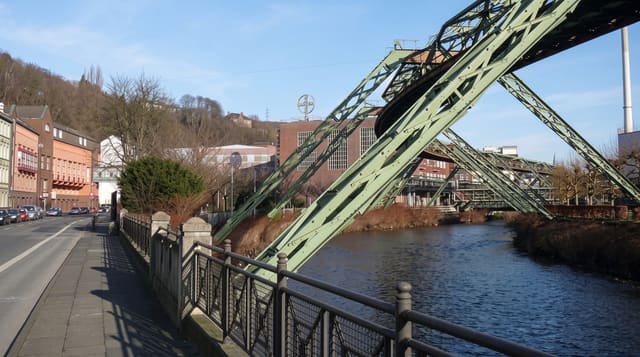
Düsseldorf lies west; Wuppertal is east.
Key facts
Source: Wikidata, item Q464416, read on 18 October 2026.
What to pack for Neanderthal Museum
Chosen from what this place is for. Tap a kit for the full checklist.
- Head torch + spare batteries - Hands-free light is essential; caves are truly dark. Find on Amazon
- Comfortable walking shoes - Sightseeing means kilometres of pavement and cobbles daily. Find on Amazon
- Grippy closed shoes - Cave floors are wet, muddy and slick with formations. Find on Amazon
- A slim anti-theft daypack - Zips that close properly; keep it in front in crowds and on transit. Find on Amazon
Some links on this page are Amazon affiliate links - if you buy through them we may earn a small commission at no extra cost to you.
All packing kitsPlan your trip
Where to start if Neanderthal Museum is going on the list.
Booking links on this page are affiliate links - if you book through them we may earn a small commission at no extra cost to you. It never changes what we write about a place.
Opening times, ticket prices and seasonal closures change - check the official source before you go: official site.