Lusatian Lake District
The largest artificial lake landscape in Europe, made by flooding open-cast mines and linking them with canals.
Updated 4 September 2026
AI illustration
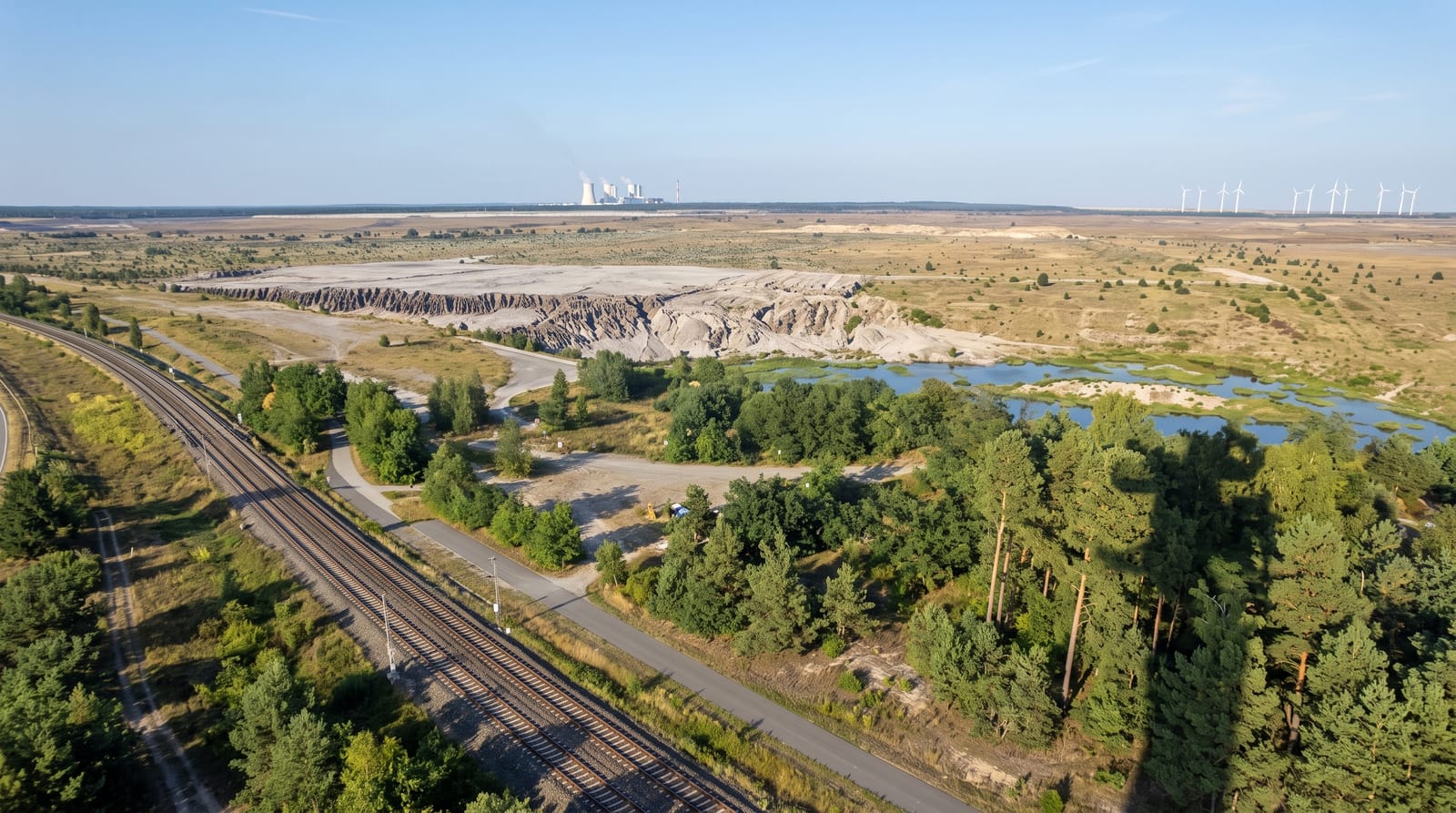
Lignite was dug from open-cast pits across Lusatia for a century, and when mining wound down from the 1990s the holes were flooded deliberately: around twenty-three lakes have been created, several linked by navigable canals with locks, forming the largest artificial lake district in Europe with a combined area of about a hundred and forty square kilometres. Filling took decades and continues in places. Floating houses moored on some lakes can be rented and moved. Ground stability remains an issue on former mine edges and some shores are fenced off. Rusted mining machinery has been left in place as monuments on several lakes.
The landscape
- The flooded pits - around twenty-three lakes made from open-cast mines.
- The linking canals - navigable channels with locks between lakes.
- The floating houses - rentable homes moored and moveable on the water.
- The left machinery - mining equipment preserved as landmarks.
When to go
May to September for boats and swimming; some lakes are still filling and not open. Check current access, as fencing and closures change with ground stability work.
What to expect
Some lakes and shores are closed for ground stability and this changes. Filling is incomplete in places. The landscape is young with little mature vegetation.
Nearby
Cottbus lies north; Dresden is south.
What to pack for Lusatian Lake District
Chosen from what this place is for. Tap a kit for the full checklist.
- Broken-in walking shoes or boots - Grip and ankle support matter more than looks; never hike in brand-new boots. Find on Amazon
- Reef-safe sunscreen - High SPF that will not bleach the coral you are swimming over. Find on Amazon
- Layers + a waterproof shell - Mountain weather turns fast; a packable rain jacket saves the day. Find on Amazon
- Quick-dry towel - A microfibre towel packs small and dries in minutes. Find on Amazon
Some links on this page are Amazon affiliate links - if you buy through them we may earn a small commission at no extra cost to you.
All packing kitsPlan your trip
Where to start if Lusatian Lake District is going on the list.
Booking links on this page are affiliate links - if you book through them we may earn a small commission at no extra cost to you. It never changes what we write about a place.
Opening times, ticket prices and seasonal closures change - check the official source before you go: official site.