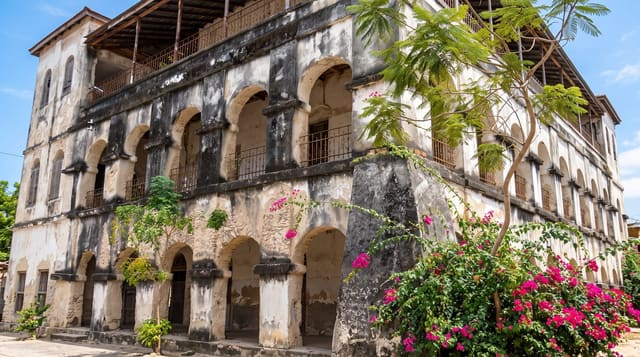
Tbilisi Old Town
The atmospheric capital at the crossroads of Europe and Asia - a captivating old town of higgledy-piggledy carved-balcony houses, churches and sulphur baths climbing a gorge beneath an ancient fortress.
Updated 5 August 2026

AI illustration
Tbilisi, the captivating capital of Georgia, is a city at the crossroads of Europe and Asia, its atmospheric old town a wonderfully jumbled mix of carved wooden balconies, crooked lanes, churches, mosques and synagogues, all climbing the slopes of a gorge on the Kura River beneath the ancient Narikala fortress. Famous for its domed sulphur bathhouses, its warm hospitality, its wine and its increasingly hip, creative scene of galleries and cafes, it is one of the most charismatic and welcoming cities in the region.
What to look for
- The old town - the carved-balcony houses and crooked lanes.
- Narikala Fortress - the ancient hilltop fortress and its cable car.
- The sulphur baths - the domed Abanotubani bathhouses.
- The churches and viewpoints - the churches and the outlooks over the city.
When to go
Spring and autumn for the mildest weather; summer is hot and winter cool. The old town is best explored on foot, with a soak in the historic sulphur baths a memorable experience, and the creative scene lively year-round.
Things to know
Some of the old town's charmingly dilapidated houses are genuinely crumbling, and restoration is uneven, part of its raw appeal. It is a hilly city, so expect steep lanes and steps. It is very affordable and welcoming. Its atmospheric old town, sulphur baths, wine culture and warm hospitality, though, make it one of the most rewarding and characterful capitals in the region.
Nearby
Mtskheta, the Kakheti wine region and the Caucasus mountains are within reach.
What to pack for Tbilisi Old Town
Chosen from what this place is for. Tap a kit for the full checklist.
- Comfortable walking shoes - Sightseeing means kilometres of pavement and cobbles daily. Find on Amazon
- Modest clothing - Shoulders and knees covered - the single most common requirement. Find on Amazon
- A slim anti-theft daypack - Zips that close properly; keep it in front in crowds and on transit. Find on Amazon
- A scarf or shawl - To cover the head or shoulders on entry; women especially at mosques. Find on Amazon
Some links on this page are Amazon affiliate links - if you buy through them we may earn a small commission at no extra cost to you.
All packing kitsPlan your trip
Where to start if Tbilisi Old Town is going on the list.
Booking links on this page are affiliate links - if you book through them we may earn a small commission at no extra cost to you. It never changes what we write about a place.
Opening times, ticket prices and seasonal closures change - check the official source before you go: official site.