Mana
A river town near the Maroni mouth, founded by a nun and ringed by rice fields.
Updated 19 October 2026
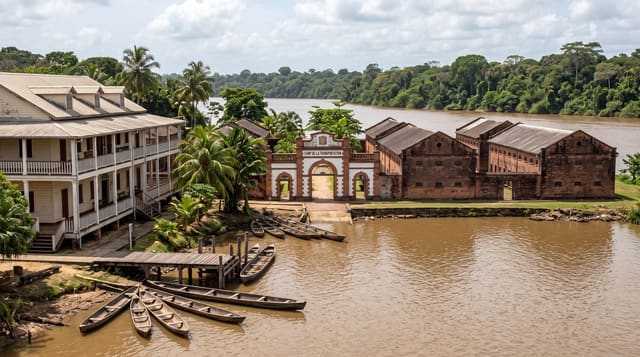
Mana was founded in the 1820s by Anne-Marie Javouhey, a Burgundian nun who established a settlement where freed slaves could live and work before abolition, an experiment that made the town unlike anything else on the coast. Wooden Creole houses stand around a grid of quiet streets by the river, and rice fields spread across the coastal plain outside, worked in big flat polders toward the sea.
History
A first settlement of people from the Jura failed through alcohol and disease, and on 16 August 1828 Sister Anne-Marie Javouhey, sent by the Ministry of the Navy and Colonies, founded Mana; she built a farming community open to black traders rather than the white colony the ministry had in mind, and when 20 escaped slaves settled in the area she bought them from their owners. Governor Jean Jubelin visited in 1833, approved of the progress and sent orphans and a leper colony at Acarouany, but in 1838 the colony was short of labour, the government refused to fund Javouhey's plan to educate 3,000 children of slaves, and she left in 1843. On 31 December 1988 about 3% of Mana's territory was detached to form the commune of Awala-Yalimapo, and the town is now French Guiana's main rice producer (Wikipedia, Mana, French Guiana).
What to look for
- The Javouhey foundation - a town built as a settlement for freed slaves before abolition.
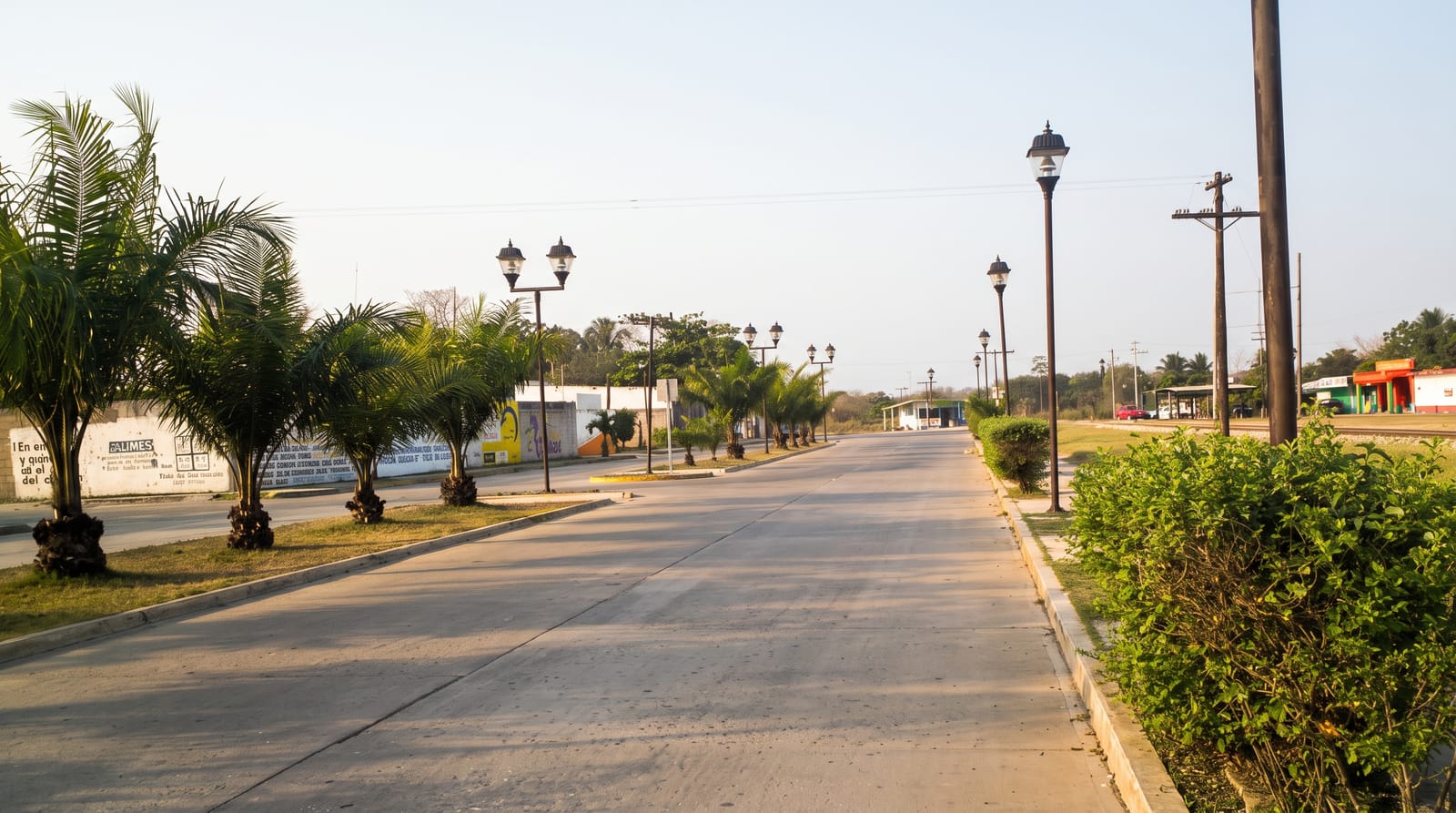
- The Creole grid - wooden houses along quiet planned streets.
- The rice polders - the flat fields spread between the town and the sea.
- The river front - the Mana running past toward the Maroni mouth.
When to go
July to November is the dry season. The rice fields flood and green with the cropping cycle. The wet season peaks April to June.
Good to know
The town is very quiet and most services are basic. The rice fields have declined from their peak and parts lie fallow. It works best combined with Awala-Yalimapo and the turtle beaches.
Nearby
Awala-Yalimapo is northwest, and Saint-Laurent is south.
Key facts
Source: Wikidata, item Q202393, read on 18 October 2026.
What to pack for Mana
Chosen from what this place is for. Tap a kit for the full checklist.
- Reef-safe sunscreen - High SPF that will not bleach the coral you are swimming over. Find on Amazon
- Binoculars - The single best wildlife tool - even a compact pair transforms a sighting. Find on Amazon
- Comfortable walking shoes - Sightseeing means kilometres of pavement and cobbles daily. Find on Amazon
- Quick-dry towel - A microfibre towel packs small and dries in minutes. Find on Amazon
Some links on this page are Amazon affiliate links - if you buy through them we may earn a small commission at no extra cost to you.
All packing kitsPlan your trip
Where to start if Mana is going on the list.
Booking links on this page are affiliate links - if you book through them we may earn a small commission at no extra cost to you. It never changes what we write about a place.
Opening times, ticket prices and seasonal closures change - check the official source before you go: official site.