Senanque Abbey
A Cistercian abbey of deliberate plainness, fronted by the lavender field in half the postcards of Provence.
Updated 12 October 2026
AI illustration
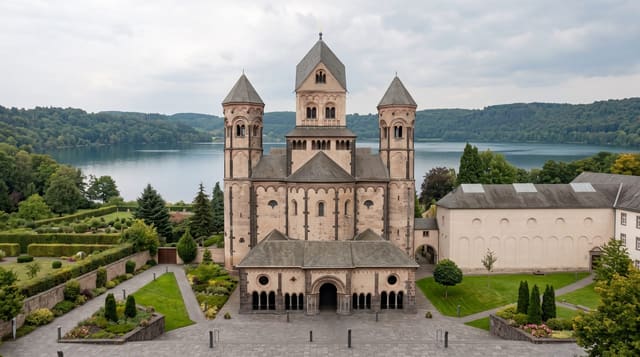
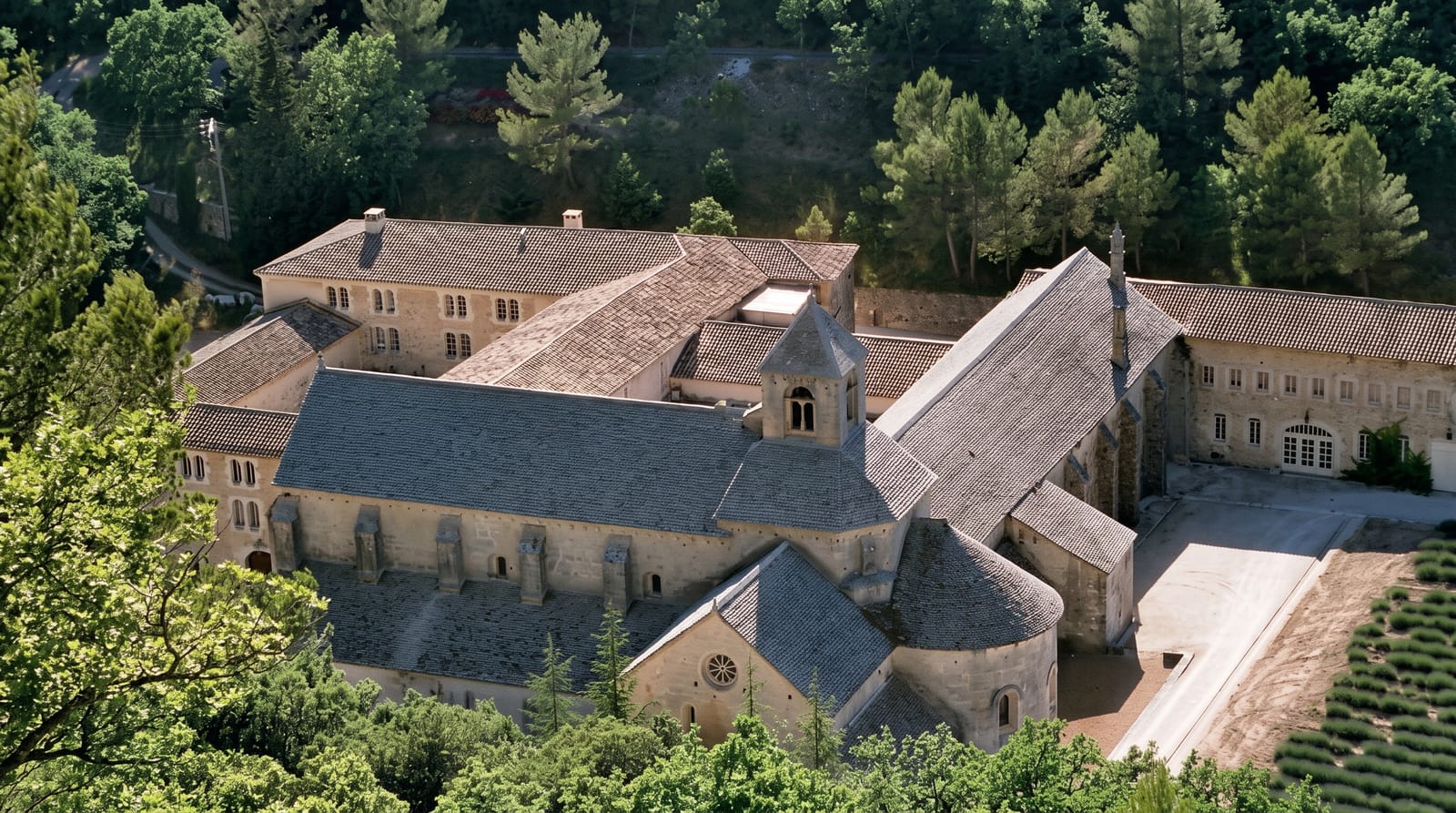
Senanque was founded in 1148 and built to the Cistercian rule: no sculpture, no colour, no stained glass, the effect coming from proportion and light on bare stone. The church is unusually oriented north because the valley left no other option. Monks live here still, which is why visits are guided and timed around the offices. The lavender in front of the church, planted and harvested by the community, is the most photographed field in Provence and flowers roughly from the last week of June to mid-July, when the narrow approach road jams with cars. Outside those three weeks the field is cut stubble or bare rows.
What you'll find
- The bare Cistercian church - proportion and light without decoration.
- The cloister and dormitory - twelfth-century monastic buildings.
- The lavender field - the famous foreground, in flower for about three weeks.
- The valley setting - a fold of hills with almost nothing else in it.
When to go
Late June to mid-July for lavender in flower; harvest usually falls in mid-July and the field is cut immediately. Outside that window the abbey is quiet and the visit better.
What to expect
Most visitors arrive for the lavender and find it either not yet out or already cut, since the window is short and shifts each year. Entry is by guided tour only, booked ahead, and walking into the field is prohibited.
Nearby
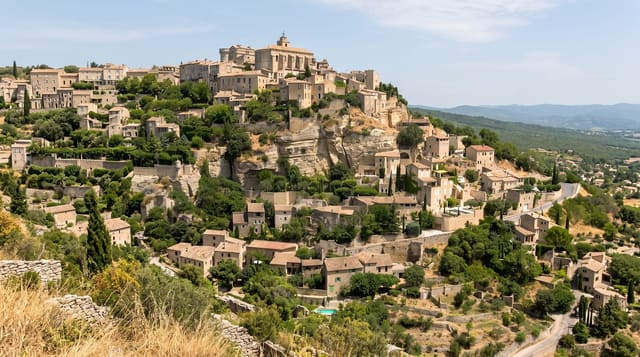
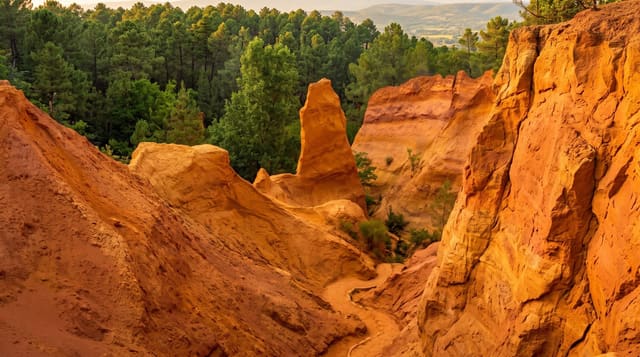
Gordes lies south over the hill; Roussillon is east.
Key facts
Source: Wikidata, item Q1245463, read on 18 October 2026.
What to pack for Senanque Abbey
Chosen from what this place is for. Tap a kit for the full checklist.
- Comfortable walking shoes - Sightseeing means kilometres of pavement and cobbles daily. Find on Amazon
- A slim anti-theft daypack - Zips that close properly; keep it in front in crowds and on transit. Find on Amazon
- A refillable water bottle - Many cities have public fountains; save money and plastic. Find on Amazon
- A light layer + compact umbrella - For museum air-con and a sudden shower. Find on Amazon
Some links on this page are Amazon affiliate links - if you buy through them we may earn a small commission at no extra cost to you.
All packing kitsPlan your trip
Where to start if Senanque Abbey is going on the list.
Booking links on this page are affiliate links - if you book through them we may earn a small commission at no extra cost to you. It never changes what we write about a place.
Opening times, ticket prices and seasonal closures change - check the official source before you go: official site.