Saint-Bertrand-de-Comminges
A cathedral village on a hill above the ruins of a Roman city that once held thousands.
Updated 21 October 2026
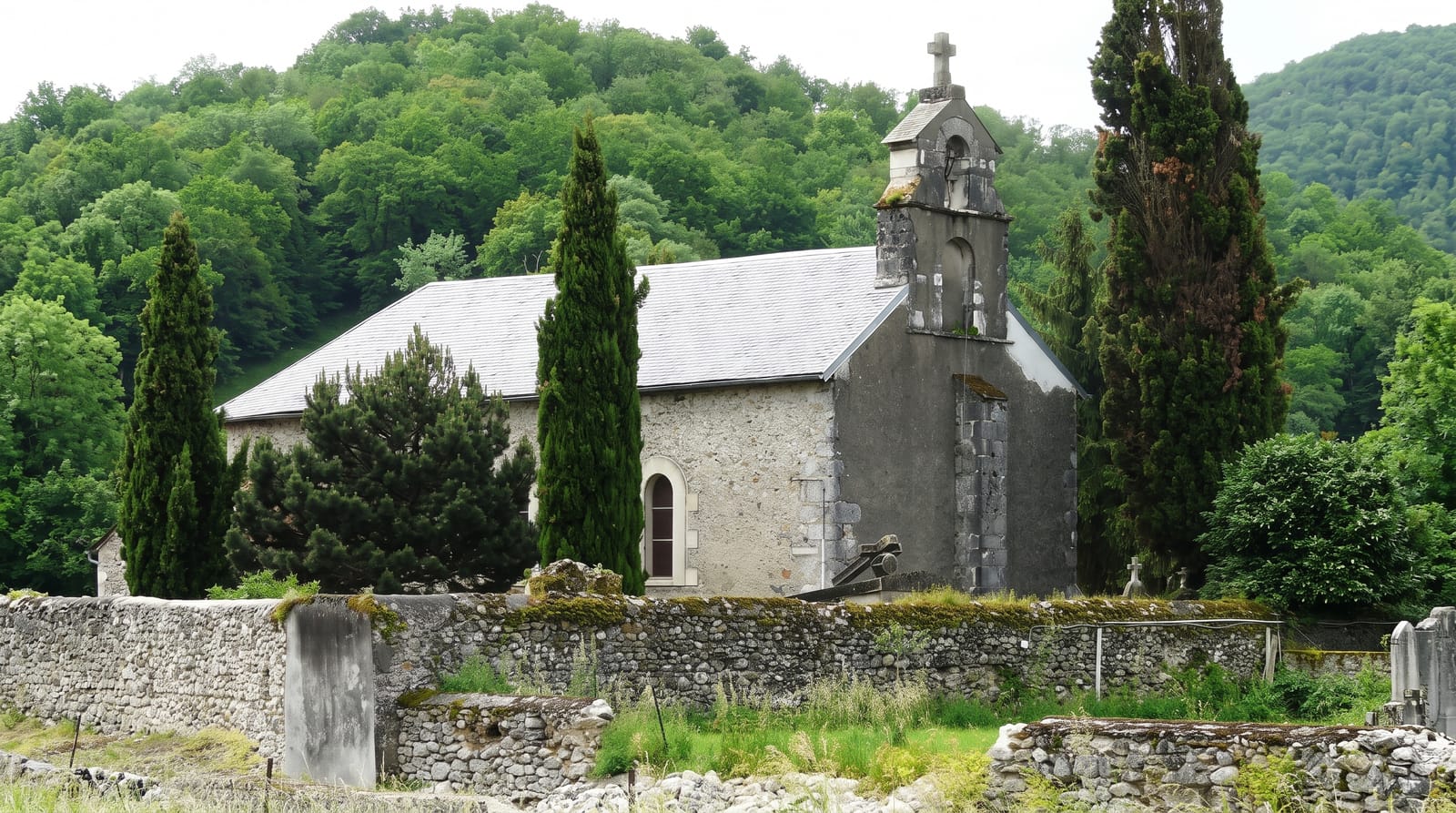
AI illustration
Lugdunum Convenarum, which tradition says Pompey founded in 72 BC but which archaeology dates to the reign of Augustus, stood on the plain here and grew into a substantial Roman city with a theatre, baths, a forum and temples; excavations have exposed the foundations at the foot of the hill. After destruction the population moved up to the defensible hilltop, and Bertrand, bishop in the eleventh century, began the cathedral that dominates the village. Inside, the sixteenth-century choir enclosure carries sixty-six carved wooden stalls of exceptional quality, and a Renaissance organ stands above. The Romanesque cloister has one side open to the mountains, which is unusual and makes the arcade a framed view.
History
In 406 Saint Jerome wrote that Pompey founded a colony here on his way back from Spain, though excavations have found no evidence of it; the Roman town of Lugdunum Convenarum, on the valley floor below the present village, dates from the reign of Augustus and reached some 30,000 people at its height, with its own diocese of Comminges by the late fourth century. In 405 the Vandals sacked it and the people moved up to the citadel, and in 585 the Burgundians of King Guntram attacked it while pursuing Gundoald, after which it declined for nearly five centuries. In 1083 Bertrand de l'Isle-Jourdain, a canon of Toulouse related to its counts, became bishop and ordered the cathedral and the Romanesque cloister, and the town became a stage on the pilgrim road to Santiago; when Bertrand was canonised in the 13th century, the town took his name, while Comminges comes from the Latin Convenae, "those who came together" (Wikipedia, Saint-Bertrand-de-Comminges).
The main sights
- The carved choir - sixty-six sixteenth-century wooden stalls.
- The open cloister - one arcade side left open to the Pyrenean view.
- The Roman city - excavated foundations of Lugdunum Convenarum below.
- The hilltop setting - the cathedral standing over the valley.
When to go
April to October; the choir enclosure and treasury have limited hours and a charge. A music festival uses the cathedral in summer. Winter is cold and quiet.
Good to know
The Roman remains are foundations only and require interpretation. The village is tiny with limited services. The approach road up the hill is narrow.
Nearby
The Pyrenees rise south; Saint-Gaudens lies northeast.
What to pack for Saint-Bertrand-de-Comminges
Chosen from what this place is for. Tap a kit for the full checklist.
- Comfortable walking shoes - Sightseeing means kilometres of pavement and cobbles daily. Find on Amazon
- Modest clothing - Shoulders and knees covered - the single most common requirement. Find on Amazon
- A slim anti-theft daypack - Zips that close properly; keep it in front in crowds and on transit. Find on Amazon
- A scarf or shawl - To cover the head or shoulders on entry; women especially at mosques. Find on Amazon
Some links on this page are Amazon affiliate links - if you buy through them we may earn a small commission at no extra cost to you.
All packing kitsPlan your trip
Where to start if Saint-Bertrand-de-Comminges is going on the list.
Booking links on this page are affiliate links - if you book through them we may earn a small commission at no extra cost to you. It never changes what we write about a place.
Opening times, ticket prices and seasonal closures change - check the official source before you go: official site.


