Canal du Midi
A seventeenth-century canal joining the Atlantic side to the Mediterranean, shaded by avenues of plane trees.
Updated 18 October 2026

AI illustration
UNESCO World Heritage
Pierre-Paul Riquet built the Canal du Midi between 1667 and 1681, solving the problem that had defeated earlier attempts: how to feed water to the summit at Naurouze, which he did by collecting streams in the Montagne Noire into a reservoir and channelling them down. With the later Canal de Garonne it links the Atlantic to the Mediterranean without rounding Spain. It has around three hundred and fifty structures, including the Fonseranes staircase of locks at Beziers and the Malpas tunnel. UNESCO listed it in 1996. The plane trees planted along it are being felled in large numbers because of an incurable canker, and replanting is under way.
History
Rulers from Augustus and Charlemagne to Francis I dreamed of a canal between the Atlantic and the Mediterranean that would spare ships the month-long voyage round Spain, and Francis I had Leonardo da Vinci survey a route in 1516; plans by Nicolas Bachelier (1539), Pierre Reneau (1598) and Bernard Aribat (1617) were abandoned because none solved how to bring enough water to the summit at Naurouze. Pierre-Paul Riquet, a wealthy salt-tax collector in Languedoc, put forward a convincing project that reached Louis XIV through the Archbishop of Toulouse in 1662, and the king saw a chance to mark his reign with an imperishable work. Built as the Canal Royal en Languedoc and renamed Canal du Midi in 1789, the 240-kilometre canal joins the Garonne to the Étang de Thau and, with the Canal de Garonne, links the two seas (Wikipedia, Canal du Midi).
What to look for
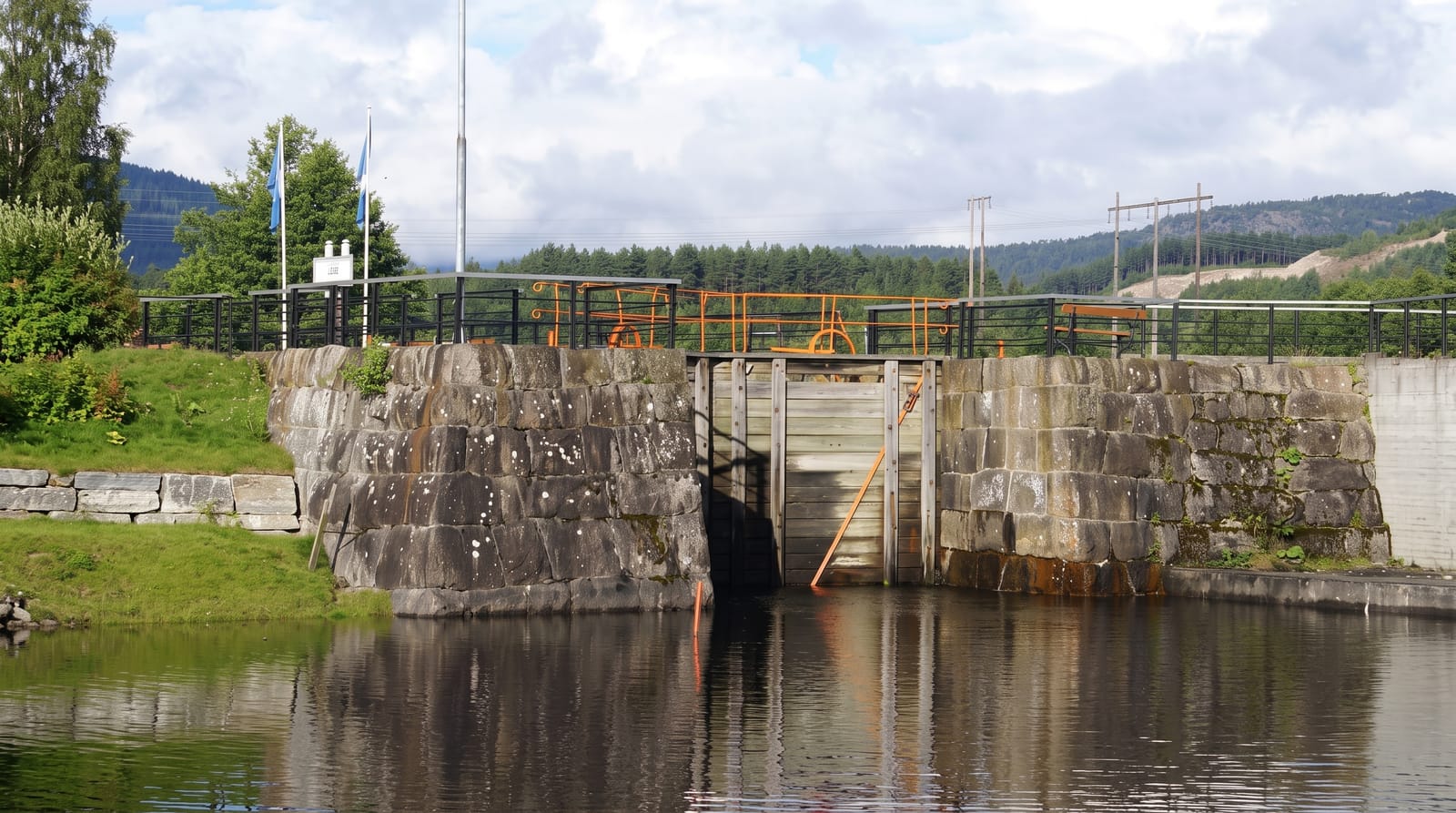
- The Fonseranes locks - a staircase of locks lifting boats at Beziers.
- The plane avenues - shaded stretches, now interrupted by disease felling.
- The Naurouze summit - the watershed point and Riquet's feeder system.
- The Malpas tunnel - an early canal tunnel cut through soft rock.
When to go
May to June and September; July and August are hot with heavy hire-boat traffic and lock queues. The towpath cycles well in spring and autumn. Locks close on some winter dates for maintenance.
Before you go
Long stretches have lost their plane trees to canker, so the famous shade is gone in places. Lock queues in summer add hours. Towpath surfaces vary from smooth to rough gravel.
Nearby
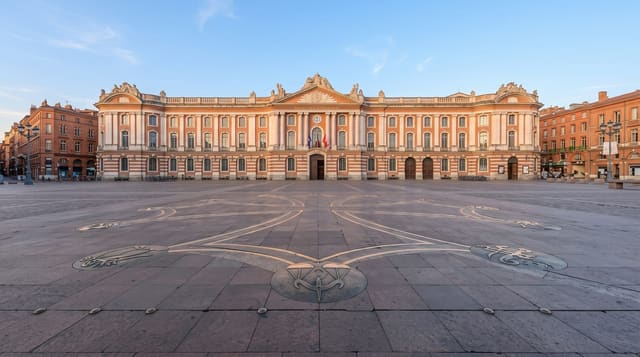
Toulouse is the western end; Carcassonne and Beziers lie along the route.
Key facts
Source: Wikidata, item Q202494, read on 18 October 2026.
What to pack for Canal du Midi
Chosen from what this place is for. Tap a kit for the full checklist.
- Broken-in walking shoes or boots - Grip and ankle support matter more than looks; never hike in brand-new boots. Find on Amazon
- Comfortable walking shoes - Sightseeing means kilometres of pavement and cobbles daily. Find on Amazon
- Layers + a waterproof shell - Mountain weather turns fast; a packable rain jacket saves the day. Find on Amazon
- A slim anti-theft daypack - Zips that close properly; keep it in front in crowds and on transit. Find on Amazon
Some links on this page are Amazon affiliate links - if you buy through them we may earn a small commission at no extra cost to you.
All packing kitsPlan your trip
Where to start if Canal du Midi is going on the list.
Booking links on this page are affiliate links - if you book through them we may earn a small commission at no extra cost to you. It never changes what we write about a place.
Opening times, ticket prices and seasonal closures change - check the official source before you go: official site.