Beaujolais Golden Stones
Villages built from a limestone full of fossils that turns gold in low sun, south of the Beaujolais crus.
Updated 14 October 2026
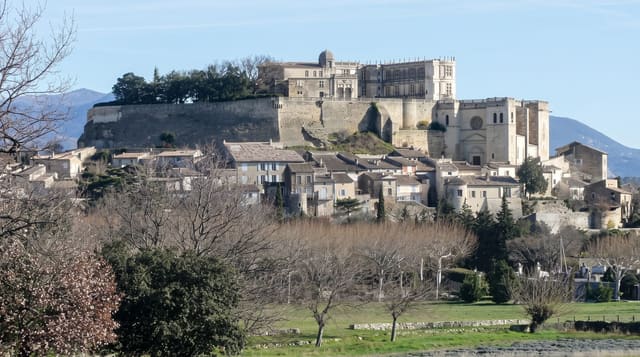
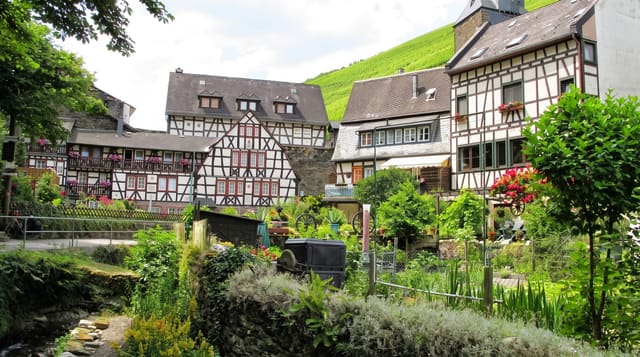
The Pays des Pierres Dorees takes its name from a local limestone containing iron oxide and packed with small fossils, which weathers to ochre and gold and was used for everything: houses, churches, walls, towers. In late afternoon sun the villages read almost orange. Oingt is the best known, a car-free hilltop village with a tower to climb; Ternand, Bagnols, Charnay and Theize are quieter. This is southern Beaujolais, making Beaujolais and Beaujolais-Villages rather than the ten named crus further north, and the vineyards run right up between the villages on steep granite and limestone slopes.
What to look for
- Oingt - a car-free hilltop village of golden stone with a tower.
- The stone colour - ochre limestone that goes gold in low sun.
- The vineyard slopes - Beaujolais vines between and below the villages.
- The smaller villages - Ternand, Bagnols, Charnay and Theize on the circuit.
When to go
April to October, with late afternoon light showing the stone at its best. Harvest is late August and September. Autumn colour on the vines is strong.
Before you go
A car is necessary and the roads are narrow and winding. Villages are small with few facilities and shut for long lunches. The named cru wines are grown further north, not here.
Nearby
Lyon lies south; the Beaujolais crus are north around Fleurie and Morgon.
What to pack for Beaujolais Golden Stones
Chosen from what this place is for. Tap a kit for the full checklist.
- Comfortable walking shoes - Sightseeing means kilometres of pavement and cobbles daily. Find on Amazon
- A slim anti-theft daypack - Zips that close properly; keep it in front in crowds and on transit. Find on Amazon
- A refillable water bottle - Many cities have public fountains; save money and plastic. Find on Amazon
- A light layer + compact umbrella - For museum air-con and a sudden shower. Find on Amazon
Some links on this page are Amazon affiliate links - if you buy through them we may earn a small commission at no extra cost to you.
All packing kitsPlan your trip
Where to start if Beaujolais Golden Stones is going on the list.
Booking links on this page are affiliate links - if you book through them we may earn a small commission at no extra cost to you. It never changes what we write about a place.
Opening times, ticket prices and seasonal closures change - check the official source before you go: official site.