Antibes
A ramparted Greek foundation with a castle where Picasso worked for six months and left the results.
Updated 19 October 2026
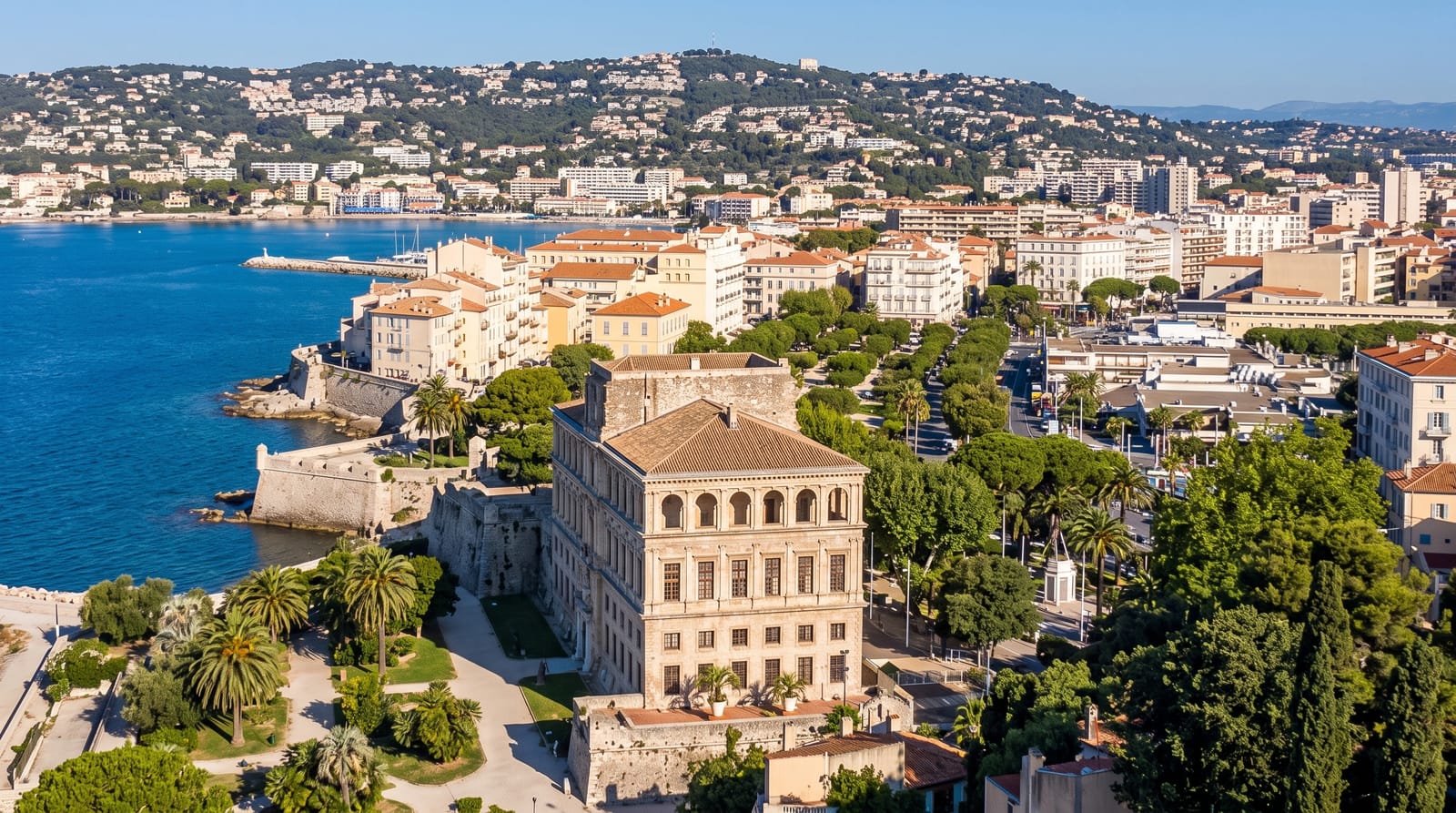
AI illustration
Antipolis was founded by Greeks from Massalia and has been continuously occupied since; the sea ramparts, rebuilt under Vauban, still front the old town, and the Fort Carre stands on a promontory across the harbour. In 1946 Picasso was offered space to work in the Chateau Grimaldi and spent about six months there producing paintings, drawings and ceramics on Mediterranean and mythological themes, most of which he left to the town; the castle became the first Picasso museum. Port Vauban beside it is one of the largest marinas in the Mediterranean, with a quay for very large yachts. The Provencal market runs daily in season.
History
Traces of occupation from the early Iron Age have been found around the castle and cathedral, and the native community traded with the Etruscans and above all with the Greeks of Marseille, whose Phocaean colonists founded Antipolis, "the city opposite", across the Var estuary from Nice, probably in the 4th century BC. A bishopric was established about 450. In the 10th century Saracen raiders from Spain menaced the coast until Count William I of Provence took their stronghold at Fraxinetum in 975 and gave Antibes to the knight Rodoald; raids went on, and after Saracen pirates burned the cathedral in 1124 and continued to prey on the town, the bishops moved to Grasse in 1244 and stayed there for five centuries, despite the rebuilding of the cathedral in 1250 (Wikipedia, Antibes).
The main sights
- The Picasso museum - the 1946 work he made and left in the castle.
- The sea ramparts - Vauban-era walls with a walk above the water.
- Fort Carre - a star fort on the promontory across the harbour.
- The covered market - a daily Provencal market in the old town.
When to go
April to June and September to October; the market closes Mondays out of season. The museum closes Mondays. Summer is crowded, particularly around the port.
Before you go
The Picasso collection is specific to one short period rather than a survey of his career. The rampart walk is exposed and hot. Parking in the old town is essentially impossible.
Nearby
Cannes lies west; Nice is east.
Key facts
Source: Wikidata, item Q126898, read on 18 October 2026.
What to pack for Antibes
Chosen from what this place is for. Tap a kit for the full checklist.
- Comfortable walking shoes - Sightseeing means kilometres of pavement and cobbles daily. Find on Amazon
- Modest clothing - Shoulders and knees covered - the single most common requirement. Find on Amazon
- A slim anti-theft daypack - Zips that close properly; keep it in front in crowds and on transit. Find on Amazon
- A scarf or shawl - To cover the head or shoulders on entry; women especially at mosques. Find on Amazon
Some links on this page are Amazon affiliate links - if you buy through them we may earn a small commission at no extra cost to you.
All packing kitsPlan your trip
Where to start if Antibes is going on the list.
Booking links on this page are affiliate links - if you book through them we may earn a small commission at no extra cost to you. It never changes what we write about a place.
Opening times, ticket prices and seasonal closures change - check the official source before you go: official site.