Kristiinankaupunki
A seventeenth-century wooden town on the Ostrobothnian coast, with narrow lanes and painted houses.
Updated 19 October 2026
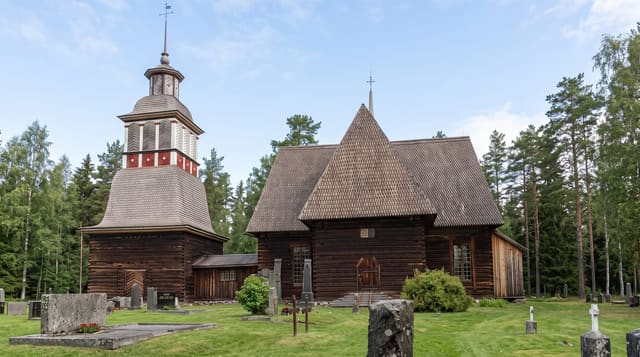
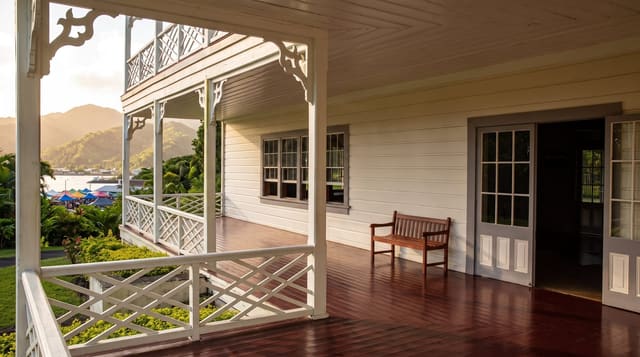
Kristiinankaupunki, Kristinestad in Swedish, was founded in 1649 on the Ostrobothnian coast and grew on tar, shipbuilding and sailing, and it kept its wooden town when most others burned: a grid of low houses in ochre, red and grey along narrow streets, with a wooden church, customs houses at the old town boundaries and an alley so narrow it is called the cat's tail. It is bilingual and largely Swedish-speaking. The old sea captains' houses along the main streets are still lived in, several museums occupy others, and the harbour and shoreline are a short walk from the centre. Out of the summer season the town is very quiet.
History
Kristinestad was chartered in 1649 by Per Brahe the Younger on the island of Koppö and named after Queen Christina of Sweden, and it is known for its old town of low wooden houses and narrow alleys. In April 2011 it became the first Cittaslow town in Finland (Wikipedia, Kristinestad).
What you'll find
- A 1649 wooden town grid - low painted houses along narrow streets.
- Customs houses at the old boundaries - the tollgates of the trading town.
- The cat's tail alley - the narrowest lane in the grid.
- Sea captains' houses - the merchant homes along the main streets.
When to go
June to August, when museums and cafes are open; the rest of the year the town largely shuts. Half a day. Bus connections along the coast are slow.
Good to know
It closes down outside the short summer season. Museums keep very limited hours. Houses are private homes, so respect that. Public transport along this coast is infrequent.
Nearby
Pori is south; Vaasa lies north.
Key facts
Source: Wikidata, item Q659642, read on 18 October 2026.
What to pack for Kristiinankaupunki
Chosen from what this place is for. Tap a kit for the full checklist.
- Comfortable walking shoes - Sightseeing means kilometres of pavement and cobbles daily. Find on Amazon
- A slim anti-theft daypack - Zips that close properly; keep it in front in crowds and on transit. Find on Amazon
- A refillable water bottle - Many cities have public fountains; save money and plastic. Find on Amazon
- A light layer + compact umbrella - For museum air-con and a sudden shower. Find on Amazon
Some links on this page are Amazon affiliate links - if you buy through them we may earn a small commission at no extra cost to you.
All packing kitsPlan your trip
Where to start if Kristiinankaupunki is going on the list.
Booking links on this page are affiliate links - if you book through them we may earn a small commission at no extra cost to you. It never changes what we write about a place.
Opening times, ticket prices and seasonal closures change - check the official source before you go: official site.