Vastseliina Episcopal Castle
A ruined bishop's castle in Vorumaa that became a medieval pilgrimage site after a reported miracle in 1353.
Updated 1 September 2026
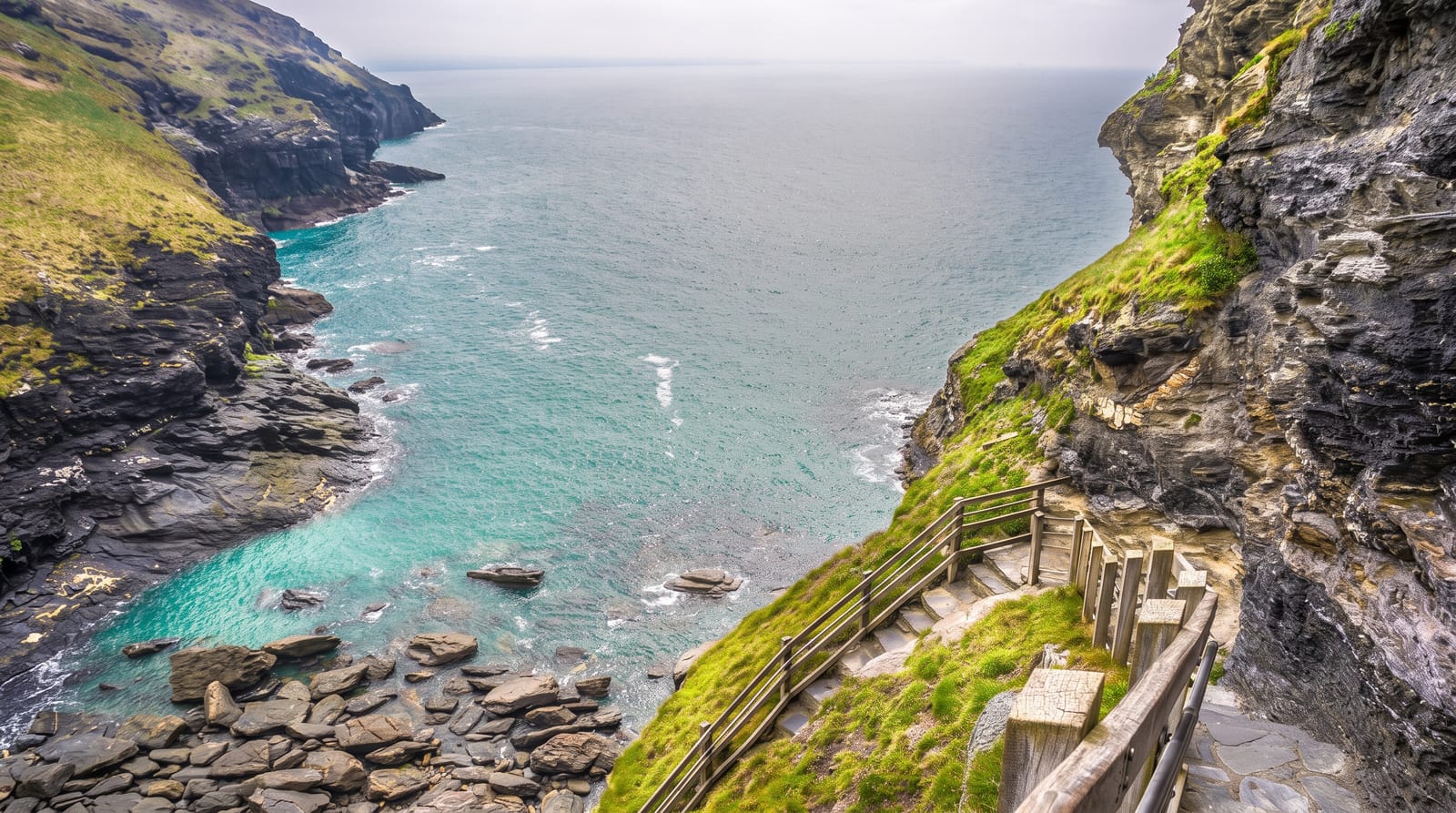
Vastseliina was built in 1342 by the Bishop of Dorpat on a promontory above the Piusa river, and in 1353 a cross in its chapel was reported to have moved of its own accord, after which the Pope granted indulgences to those who visited; the castle became a pilgrimage destination on the route from central Europe to the Baltic, and traffic continued until the Reformation. It was ruined in the Great Northern War. What survives is a substantial fragment of wall and tower on the promontory, consolidated and safe, with a visitor centre in a nearby building presenting the pilgrimage history and medieval life, and the pilgrimage route itself revived as a modern walking trail.
What's there
- The wall and tower - the surviving fragment on the river promontory.
- The visitor centre - the presentation on the pilgrimage and the castle.
- The Piusa valley - the river gorge below the ruins.
- The pilgrim route - the revived walking trail passing the site.
When to go
May to September when the visitor centre is open; the ruin itself is accessible year round. Medieval-themed events run in summer. Autumn colours the river valley.
What to expect
Only a fragment of the castle survives. The visitor centre keeps seasonal hours. Presentation leans on themed events. The site is small and takes about two hours including the centre.
Nearby
Voru lies west; Setomaa is north.
Key facts
Source: Wikidata, item Q2498662, read on 18 October 2026.
What to pack for Vastseliina Episcopal Castle
Chosen from what this place is for. Tap a kit for the full checklist.
- Broken-in walking shoes or boots - Grip and ankle support matter more than looks; never hike in brand-new boots. Find on Amazon
- Comfortable walking shoes - Sightseeing means kilometres of pavement and cobbles daily. Find on Amazon
- Modest clothing - Shoulders and knees covered - the single most common requirement. Find on Amazon
- Layers + a waterproof shell - Mountain weather turns fast; a packable rain jacket saves the day. Find on Amazon
Some links on this page are Amazon affiliate links - if you buy through them we may earn a small commission at no extra cost to you.
All packing kitsPlan your trip
Where to start if Vastseliina Episcopal Castle is going on the list.
Booking links on this page are affiliate links - if you book through them we may earn a small commission at no extra cost to you. It never changes what we write about a place.
Opening times, ticket prices and seasonal closures change - check the official source before you go: official site.