Taevaskoja
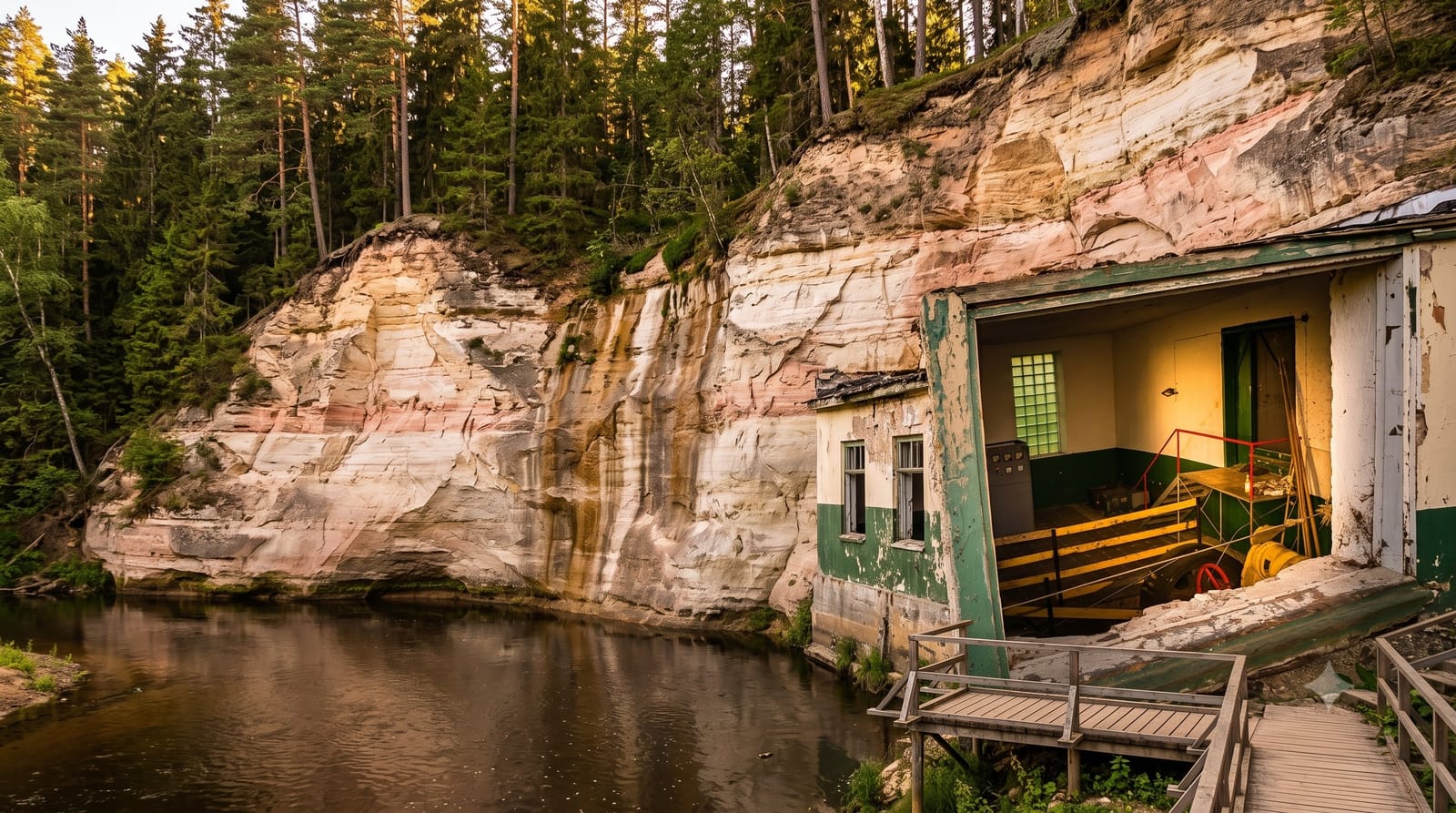
Pale sandstone bluffs standing over a slow river in south Estonia - small by any international measure, and central to the country's folklore.
Updated 1 September 2026
Illustration
Taevaskoja means "heaven's hall", which sets expectations that a twenty-metre sandstone outcrop cannot really meet. What it can do is explain something about Estonia: in a country this flat, a cliff of any size becomes a landmark, and this one has been carrying legends for centuries.
What you actually see
- Suur Taevaskoda - the larger of the two outcrops on the Ahja river.
- Väike Taevaskoda - the smaller bluff downstream, with a spring running out of the rock at its foot.
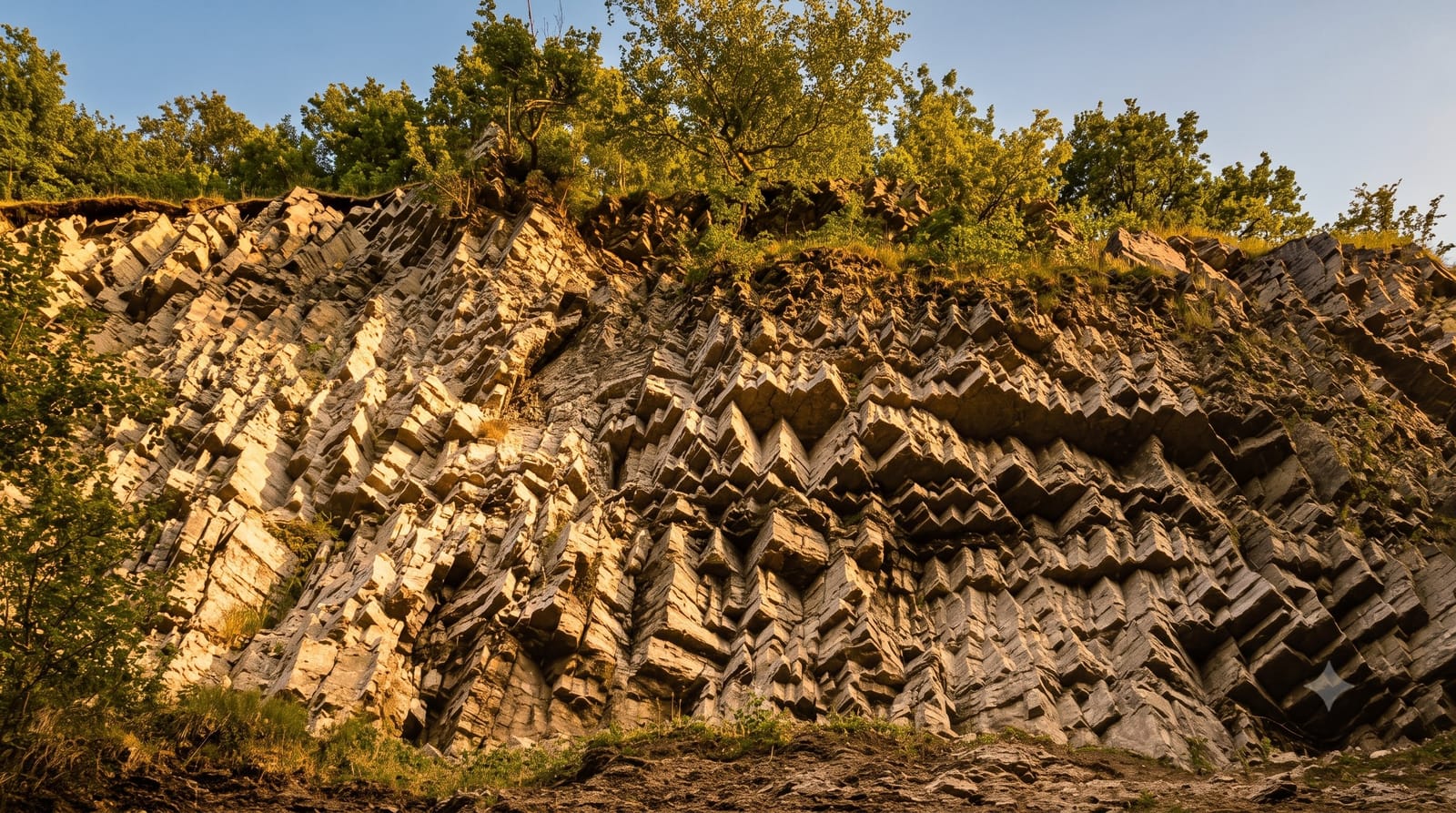
- The rock - Devonian sandstone, pale cream to soft pink, undercut by the river and streaked where groundwater seeps through.
- The river trail - a marked path between the two through pine forest, with wooden steps and viewing platforms above a dark, slow river popular with canoeists.
When to go
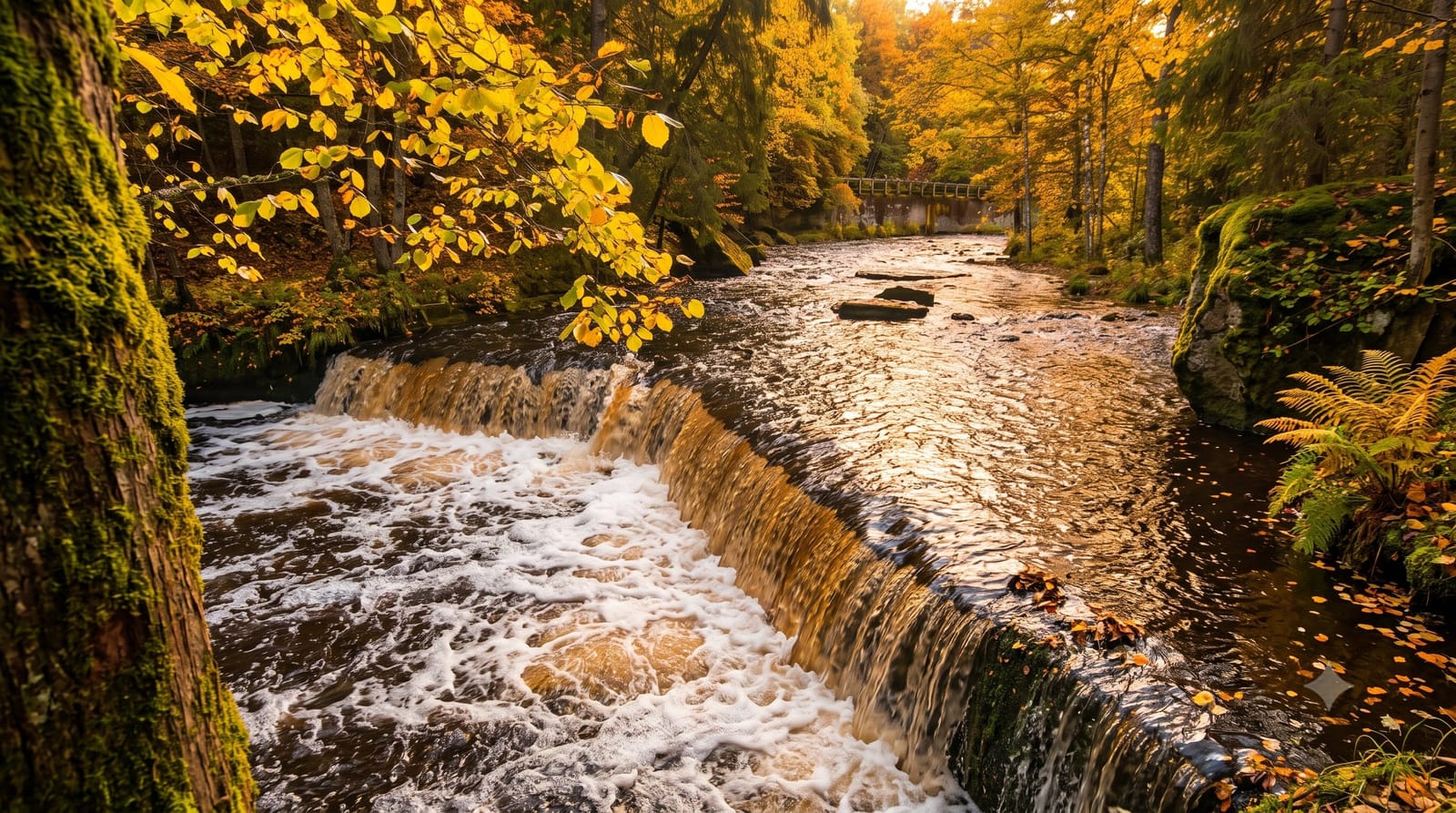
May to June has high water and fresh green, with the rock at its brightest against it. September to October brings autumn colour along the river. In winter the seeps freeze into ice curtains down the rock face, which is arguably the best version of the place.
Honest expectations
The scale is modest - the larger outcrop is roughly twenty-two metres wide and under ten high. This is a pleasant river walk with a geological feature, not a canyon, and it gets busy on summer weekends.
Climbing on the sandstone is damaging and discouraged; the rock is soft enough that carved graffiti from decades ago is still legible.
Nearby
Põlva and the Ahja river canoe routes are the obvious extensions. Piusa caves and Setomaa are under an hour southeast, and Tartu is about forty minutes north.
What to pack for Taevaskoja
Chosen from what this place is for. Tap a kit for the full checklist.
Plan your trip
Where to start if Taevaskoja is going on the list.
Booking links on this page are affiliate links - if you book through them we may earn a small commission at no extra cost to you. It never changes what we write about a place.
Opening times, ticket prices and seasonal closures change - check the official source before you go: official site.